
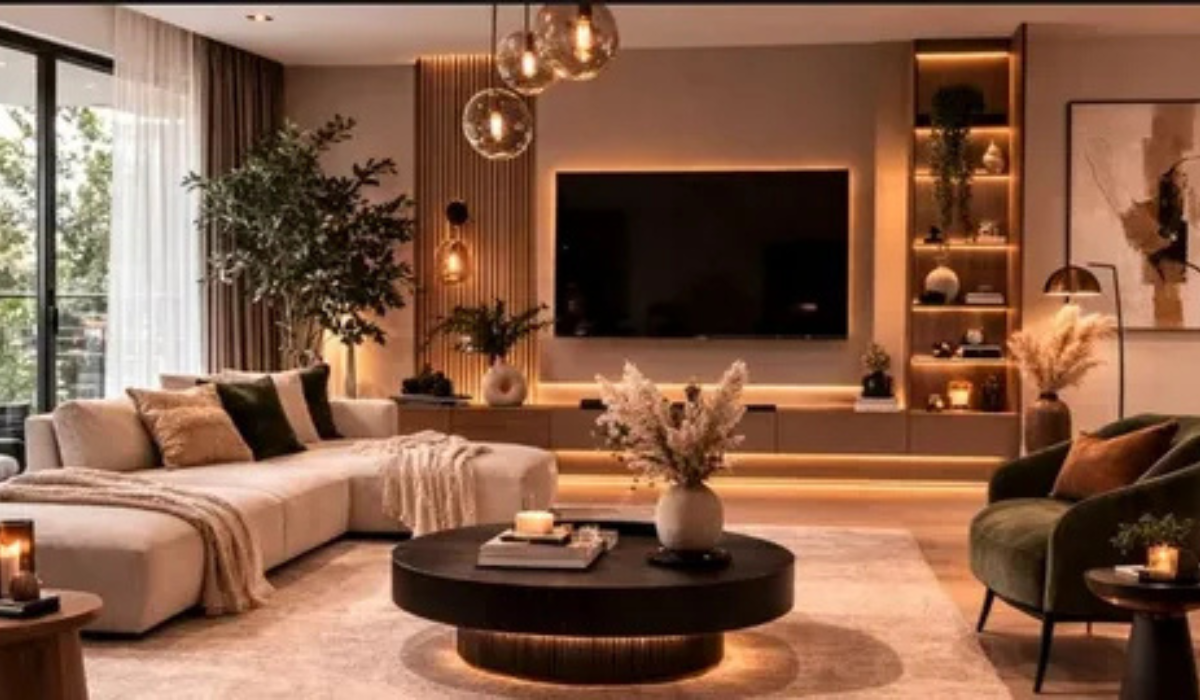
Home interior design is the art of arranging colors, furniture, lighting, and decor to make your home beautiful, comfortable, and functional. Whether you live in a small apartment or a spacious family house, the right design choices can improve your space without requiring a huge budget.
If your rooms feel cramped, your furniture doesn’t fit properly, or your decor looks mismatched, you’re not alone. In this guide, you’ll discover popular home interior design styles, practical decorating ideas, smart storage solutions, and affordable ways to create a home that reflects your personality.
What Is Home Interior Design, and Why Does It Matter?
Home interior design is the process of planning and arranging the spaces inside your home to balance appearance, comfort, and function. It includes everything from furniture placement and wall colors to lighting, materials, storage, and decorative accessories.
However, interior design is about more than making a room look attractive. A beautiful living room can still be uncomfortable if there is nowhere convenient to sit. A stylish kitchen can become frustrating if the cooking area lacks practical storage. A bedroom may look impressive in photographs but feel unpleasant if the lighting is harsh or the curtains do not provide enough privacy.
A successful design considers how a room will actually be used.
For example, a household with children may need washable fabrics, rounded furniture edges, and accessible storage. Someone working from home may benefit from a compact desk near natural light. A person living in a small apartment may prioritize multifunctional furniture over decorative pieces.
Pro tip: Before buying anything, write down the three things that frustrate you most about your current space. Solving those problems first is usually more valuable than following a trend.
Popular Home Interior Design Styles to Consider
There is no single style that works for every home. Your best choice depends on your preferences, available space, maintenance needs, and budget. Here are four versatile styles worth considering.
1. Minimalist Interior Design
Minimalist interiors focus on simplicity, purposeful furniture, restrained decoration, and uncluttered spaces. Neutral colors such as white, beige, and soft gray are common, although darker shades can also work.
This style is particularly useful in small homes because it encourages you to prioritize what you genuinely need.
To create a minimalist interior:
- Choose furniture with clean lines and practical proportions.
- Keep frequently used surfaces relatively clear.
- Use concealed storage for everyday belongings.
- Select a few meaningful decorative pieces instead of filling every corner.
- Maintain comfortable walking paths between furniture.
A common mistake is assuming minimalism means making a room completely empty. That can leave a home feeling cold rather than welcoming.
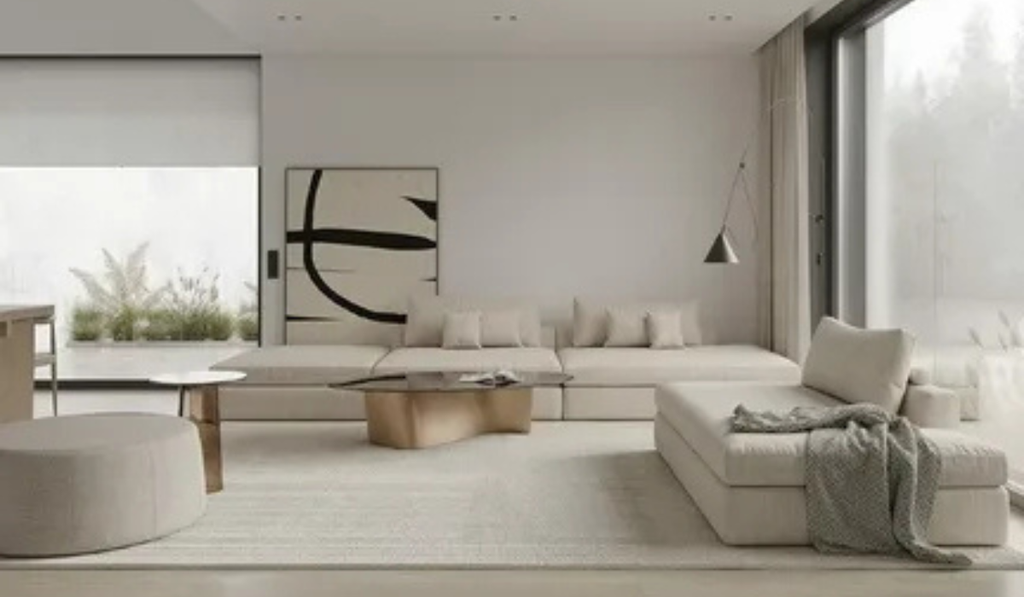
Pro tip: Keep the essentials, then add warmth through wood, textured cushions, rugs, and soft lighting. Minimalism should simplify your life, not remove your personality.
2. Scandinavian Interior Design
Scandinavian design combines simplicity, natural materials, functional furniture, and a warm, comfortable atmosphere. Light wood, neutral colors, natural textiles, and carefully chosen accessories are typical features.
It works particularly well in living rooms and bedrooms where you want a bright, relaxed environment.
Consider adding:
- Light oak, birch, or pine furniture.
- Cotton or wool cushions and throws.
- Simple pendant lights or floor lamps.
- A few indoor plants.
- Soft white, warm beige, or muted green accents.
The key is balancing brightness with texture. A room filled entirely with white furniture and smooth surfaces can feel flat.
Pro tip: Combine two or three complementary textures, such as woven fabric, natural wood, and a soft rug. This adds depth without making the room feel busy.
3. Modern Contemporary Interior Design
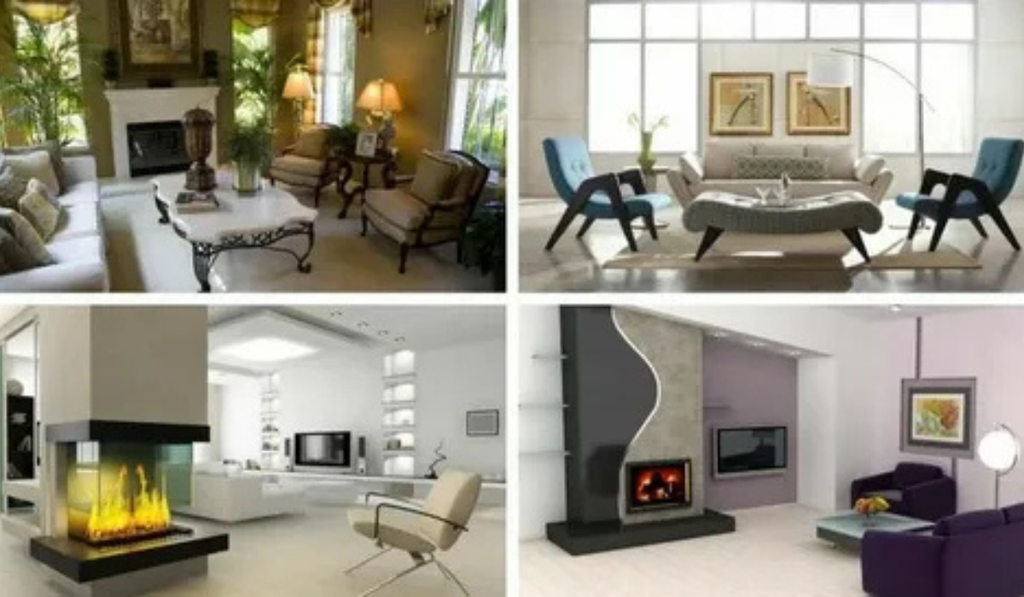
Modern contemporary interiors emphasize clean shapes, practical layouts, and a carefully coordinated selection of materials. Depending on the design, these may include glass, metal, wood, stone, and smooth finishes.
This approach suits homeowners who prefer an organized, current-looking environment without excessive decoration.
For a contemporary living room, you might choose a streamlined sofa, a simple coffee table, restrained artwork, and layered lighting. Mirrors and glass surfaces can help distribute light visually, although their effectiveness depends on placement and the room’s existing light.
Contemporary design can also work well in open-plan homes. Repeating a few colors and finishes across the living, dining, and kitchen areas helps the spaces feel connected.
Pro tip: Do not buy every item in the same finish. Introduce contrast through materials, shapes, or textiles so the room feels coordinated rather than like a furniture showroom.
4. Japandi Interior Design
Japandi combines elements of Japanese design with Scandinavian functionality and warmth. It emphasizes simplicity, natural materials, muted colors, and thoughtful use of space.
Typical elements include light or medium-toned wood, earthy neutrals, organic shapes, linen textiles, and carefully selected accessories.
Japandi is a good option for anyone who wants a calm interior without relying on elaborate decorations.
You can introduce the style with:
- A simple wooden coffee table.
- Neutral curtains and natural-fiber textiles.
- Ceramic vases or handmade-looking accessories.
- A few plants or branches.
- Furniture that leaves sufficient room to move around.
You do not need to replace every piece of furniture to achieve this look. Start by reducing visual clutter and bringing together the materials and colors you already own.
Pro tip: Choose a small palette of complementary colors and repeat them throughout the room. Consistency often creates a more peaceful effect than buying additional decorations.
How to Make a Small Home Look More Spacious
Small homes require careful planning, but limited floor space does not mean you must sacrifice comfort or style. The goal is to make every area useful while keeping the layout easy to navigate.
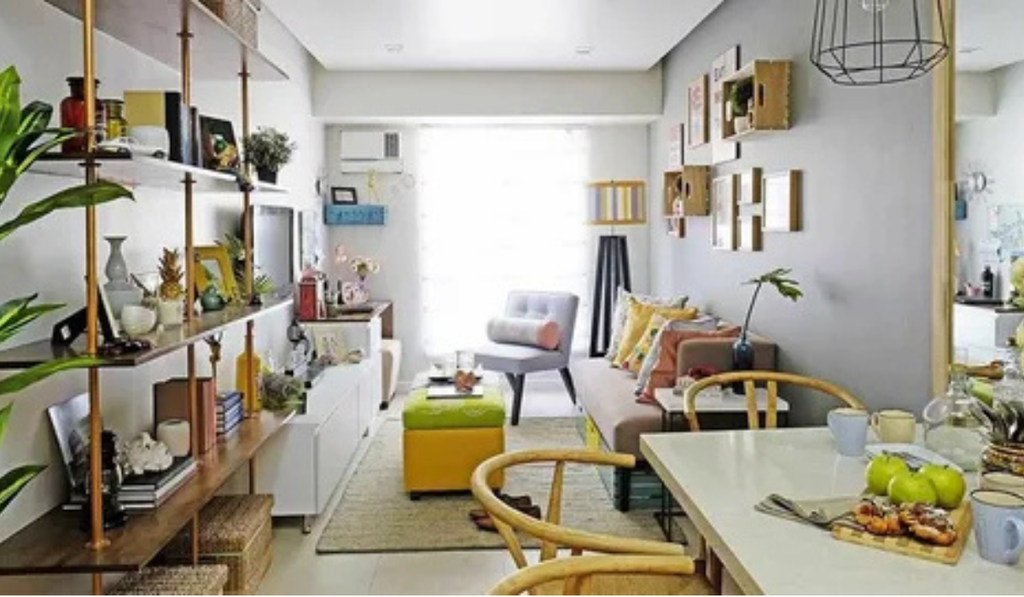
Use Multifunctional Furniture
Furniture that serves more than one purpose can free up valuable space.
Consider these options:
- A sofa bed for a guest room or studio apartment.
- An ottoman with storage for blankets and accessories.
- A dining table with extendable leaves.
- A bed with drawers underneath.
- A wall-mounted desk in a compact work area.
Before purchasing multifunctional furniture, check its actual dimensions and how it operates. A storage bed is less helpful if there is not enough clearance to open its drawers.
Make Better Use of Vertical Space
Many homeowners focus exclusively on floor space and overlook the walls.
Tall bookcases, wall-mounted shelves, hooks, and cabinets can provide storage without spreading belongings across the room. In kitchens, vertical organizers may help keep frequently used utensils accessible. In entryways, wall hooks can reduce the need for a bulky coat stand.
However, filling every wall with shelving can make a small room feel crowded.
Pro tip: Use closed storage for items that create visual clutter and open shelving for a few attractive or frequently used objects. This balances accessibility with a cleaner appearance.
Choose Furniture That Fits the Room
Large furniture can overwhelm a small space, but furniture that is too small can also make the layout feel awkward.
Measure your room before buying a sofa, bed, dining table, or storage unit. Include door swings, window access, and walking paths in your measurements.
Furniture with visible legs can expose more of the floor and create a lighter visual effect. This is not a universal rule, though: a well-designed storage sofa may be more useful than a legged sofa that offers no practical storage.
Pro tip: Mark the proposed furniture footprint on the floor with masking tape. Walk around it before purchasing. This simple step helps you spot circulation problems early.
Use Mirrors and Natural Light Strategically
Mirrors can reflect daylight and create an impression of greater depth. Placing one near a window may help distribute light, depending on the room’s layout.
Keep window areas reasonably clear and choose curtains that suit the size and shape of the windows. Sheer curtains can soften daylight while maintaining privacy during some daytime conditions, but they may not provide enough privacy after dark.
Avoid assuming that every small room needs white walls. Warm beige, pale green, muted blue, and other light-reflective shades can also work well.
Choosing Colors That Work Together
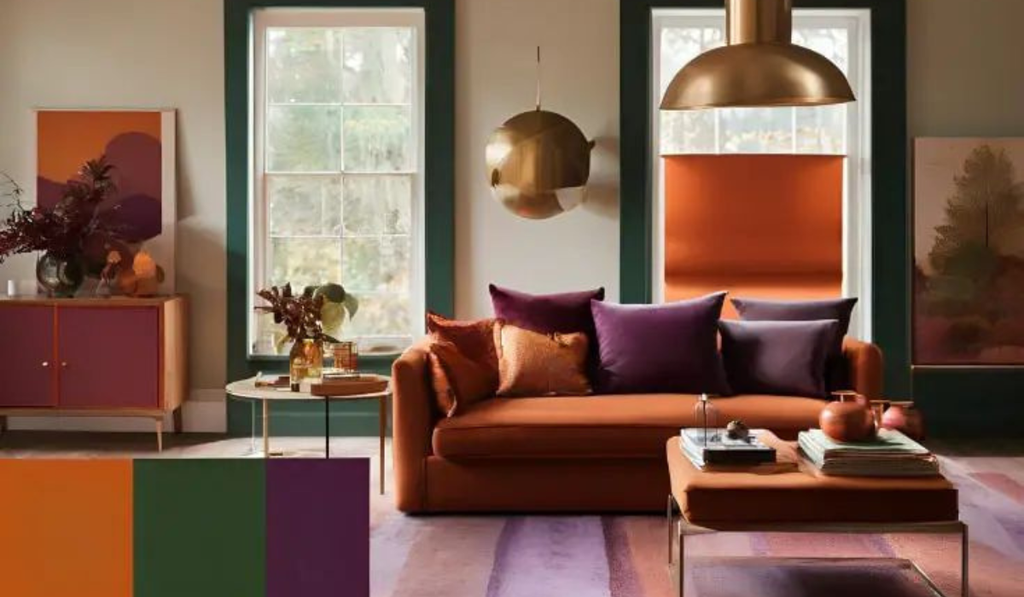
Color influences the visual character of a room. It can make an interior feel lively, relaxed, dramatic, or understated. The best palette depends on the light, room size, existing finishes, and the atmosphere you want.
Choosing the right colors can make a small home feel brighter, more spacious, and more welcoming. Before selecting paint or decorative accents, try our room colour palette generator to explore complementary shades and find a color combination that suits your room’s style.
Start With a Simple Color Palette
If choosing colors feels overwhelming, begin with three related roles:
- Main color: The dominant shade on walls or larger surfaces.
- Secondary color: A complementary shade used in furniture, rugs, or curtains.
- Accent color: A smaller dose of a contrasting or more noticeable color.
For example, a living room might combine warm white walls, a beige sofa, and olive-green cushions. Another might use pale gray, natural wood, and navy accents.
The familiar 60-30-10 rule can serve as a starting point, but the proportions are flexible rather than a strict requirement.
Test Paint Before Committing
Paint often looks different under daylight, warm bulbs, and cool artificial lighting. A color that appears soft in a store may look much brighter or duller on your own walls.
Paint sample patches and observe them at different times of day. Consider the color of your flooring, furniture, and window treatments before making a final decision.
Pro tip: If you are uncertain about a bold color, introduce it through cushions, artwork, or accessories first. These are generally easier and less expensive to change than permanent finishes.
Lighting: The Detail That Changes Everything
Even a carefully decorated room can feel uncomfortable when the lighting is poorly planned. Good lighting supports everyday activities and adds depth to the interior.
Understand the Three Main Types of Lighting
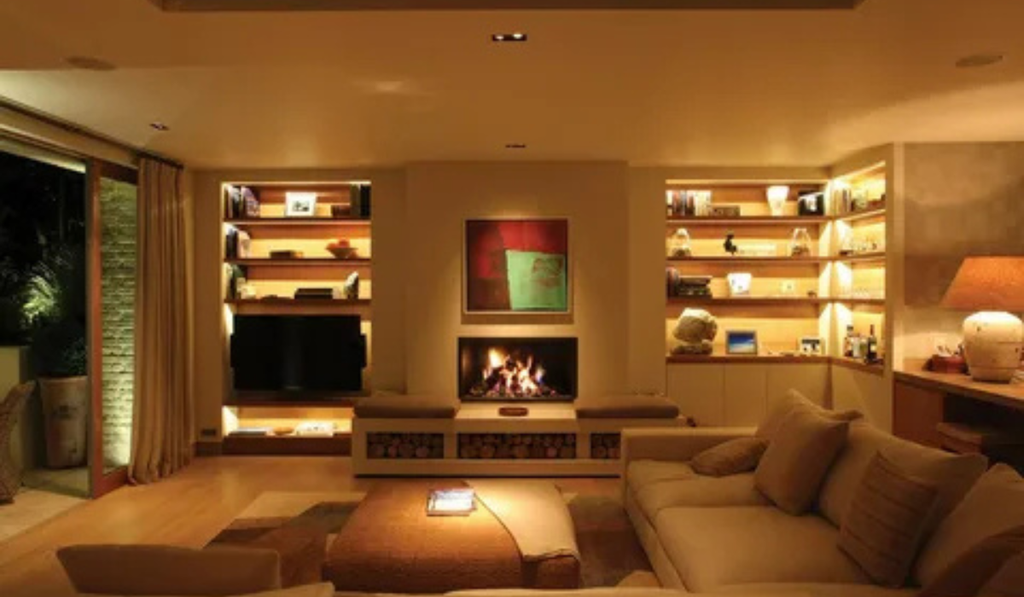
Ambient lighting provides general illumination. Ceiling fixtures and recessed lights are common examples.
Task lighting helps you perform specific activities. Desk lamps, kitchen under-cabinet lights, and reading lamps fall into this category.
Accent lighting draws attention to selected features, such as artwork, textured walls, or architectural details.
A well-planned room may use all three types, although the combination should suit the room’s purpose.
Choose the Right Light Quality
Warm-white lighting often creates a comfortable atmosphere in bedrooms and living rooms. Neutral or cooler lighting may be useful for detailed work, depending on personal preference and the task.
Rather than relying on color temperature alone, consider brightness, glare, fixture placement, and whether the light can be dimmed.
In a bedroom, a ceiling fixture combined with bedside lamps can make the room more adaptable. In a kitchen, general lighting and focused illumination over work surfaces can improve visibility.
Pro tip: Plan lighting around activities. Ask where you read, cook, work, relax, and get ready each day, then place suitable lighting where it is actually needed.
Room-by-Room Home Interior Design Ideas
Each room has different requirements. A consistent overall style helps the home feel connected, but individual spaces should still work for their specific purposes.
Living Room
The living room often serves several functions: relaxing, entertaining guests, watching television, and spending time with family.
Start by identifying the main activity. Arrange seating so conversation feels natural and walking paths remain clear. Use a rug to define the seating area, provided its dimensions suit the furniture.
Add curtains, cushions, artwork, and lighting to build a cohesive look. Avoid pushing every item against a wall automatically; different layouts work better in different rooms.
Bedroom
A bedroom should support rest while providing practical storage.
Choose a bed that leaves enough room to move around comfortably. Use bedside lighting, blackout curtains where needed, and organized wardrobes or under-bed storage.
Soft neutrals, muted blues, greens, and earthy tones are popular options, but the right color is ultimately a matter of preference.
Pro tip: Improve the layout and lighting before buying decorative accessories. A comfortable mattress, functional bedside arrangement, and effective window coverings usually matter more than extra ornaments.
Kitchen
Kitchen design depends heavily on workflow, available storage, and ease of cleaning.
Keep frequently used cooking equipment accessible and organize storage around how you prepare meals. Drawer dividers, shelf organizers, and pull-out units may help use existing cabinets more effectively.
Good task lighting is especially useful around work surfaces. Choose finishes that suit your cleaning habits rather than selecting materials based on appearance alone.
Bathroom
In bathrooms, moisture resistance, ventilation, lighting, and safe movement should take priority.
Use suitable storage for toiletries, provide adequate ventilation, and select finishes designed for wet environments. A mirror with appropriate lighting can improve daily grooming tasks.
Light-colored tiles may create an airy appearance, while contrasting details can add character. Before choosing a material, consider slip resistance, maintenance, and installation requirements.
Affordable Ways to Upgrade Your Home Interior
You do not need to renovate an entire home to make it feel better. Start with changes that solve visible problems or improve daily comfort.
Prioritize High-Impact Changes
Depending on the condition of your home, useful updates may include:
- Repainting tired walls.
- Replacing worn or outdated cabinet handles.
- Improving inadequate lighting.
- Rearranging existing furniture.
- Updating curtains or cushion covers.
- Adding a rug that suits the room’s dimensions.
- Organizing clutter with baskets or existing storage.
A fresh coat of paint can be effective, but only after you address underlying issues such as dampness, damaged plaster, or peeling surfaces.
Spend Carefully on Long-Term Items
Furniture used every day deserves more attention than decorations that serve primarily as accents.
Consider investing in a comfortable sofa, a suitable mattress, or durable dining furniture if those items are central to your routine. Save money by refreshing accessories, reusing existing furniture, or shopping secondhand where practical.
The cheapest item is not always the most economical if it wears out quickly or does not fit your space.
Pro tip: Set a budget before shopping and separate essential improvements from optional upgrades. Complete the essentials first so decorative purchases do not consume money needed for practical fixes.
You don’t always need an expensive renovation to improve your home’s interior. Simple updates such as repainting walls, changing lighting, updating cabinet hardware, and rearranging furniture can make a noticeable difference. If your plans involve larger improvements, use our home renovation cost calculator to explore a preliminary budget before deciding which upgrades to prioritize.
A Practical Example: Improving a Small Living Room
Imagine a couple living in a compact apartment. Their living room contains a bulky sofa, a large coffee table, mismatched storage units, and heavy curtains. Although the room has enough floor area for everyday activities, it feels cramped and receives limited daylight.
Instead of immediately buying new furniture, they assess the layout.
First, they remove items that no longer serve a purpose. Next, they reposition the sofa to improve circulation and replace the oversized coffee table with a smaller option. They move frequently used belongings into closed storage and install lighter curtains that suit the window.
Finally, they coordinate the existing furniture with a restrained color palette and add a floor lamp near the reading chair.
The room feels more organized because its layout now supports daily activities. The improvement comes from thoughtful choices rather than a complete renovation.
This example illustrates a useful principle: solve the room’s functional problems before spending money on its appearance.
Common Home Interior Design Mistakes to Avoid
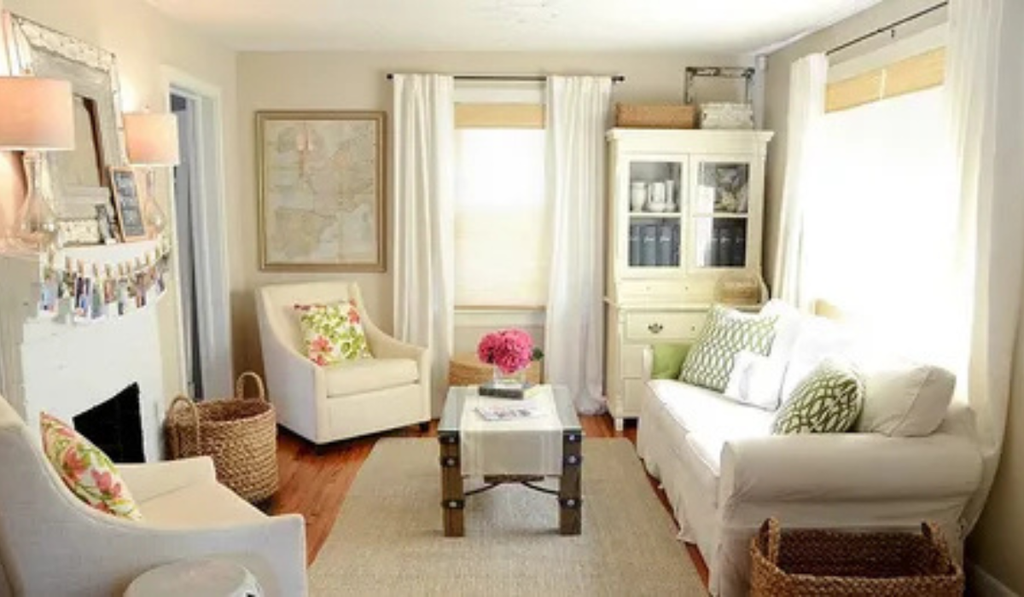
Even good design ideas can disappoint when they are applied without considering the room.
Buying Furniture Before Measuring
A sofa may look perfect online but block a doorway or overwhelm a narrow living room. Measure the available space and check the furniture dimensions before ordering.
Following Every Trend
Trends can provide inspiration, but a room filled with fashionable items may quickly feel inconsistent. Choose elements that suit your lifestyle and existing furniture.
Ignoring Storage
Beautiful surfaces become cluttered when everyday belongings have nowhere to go. Plan storage around what you actually own and use.
Using Only One Type of Lighting
A single ceiling light may leave corners dark or create glare. Add task and accent lighting where appropriate.
Overdecorating
Too many accessories, competing patterns, or unrelated colors can make a room feel busy. Edit the arrangement until each item has a clear purpose or personal meaning.
Choosing Appearance Over Maintenance
Delicate fabrics and high-maintenance finishes may be impractical for busy households. Consider cleaning requirements, durability, moisture exposure, and everyday wear before buying.
Final Thoughts on Home Interior Design
Creating a beautiful home is not about copying a perfect room from a magazine. It is about understanding what makes your own space comfortable, functional, and personal.
Start with your biggest frustrations, measure carefully, and decide how each room should support your daily routine. Then build a cohesive look through thoughtful furniture choices, practical storage, balanced colors, and suitable lighting.
Whether you prefer minimalist simplicity, Scandinavian warmth, contemporary elegance, or Japandi calm, the best interior design is the one that works for you.
Make improvements one decision at a time. A well-placed light, a better furniture layout, or a more organized storage area can make a meaningful difference without requiring a complete renovation.