A home should make everyday life easier, not turn simple tasks into daily challenges. Yet a few steps at the entrance, a slippery bathroom floor, or a narrow doorway can make getting around difficult for someone who uses a wheelchair, has limited mobility, or is growing older.
The good news is that you do not always need a complete home renovation to improve accessibility. Sometimes, moving furniture, improving lighting, or installing a properly secured grab bar can make a meaningful difference. Other homes may need a wheelchair ramp, a stairlift, or a more accessible bathroom.
The best home accessibility solutions start with one simple question: What makes everyday life difficult in this particular home? Once you identify the barriers, you can choose improvements that support safety, comfort, and independence without spending money on changes you do not need.
In this guide, we will look at practical modifications for entrances, bathrooms, kitchens, bedrooms, and other living spaces, along with planning advice to help you choose the right improvements.
What Are Home Accessibility Solutions?
Home accessibility solutions are changes to a home’s layout, fixtures, equipment, or technology that help people use their living spaces more comfortably and independently.
They can support people with disabilities, older adults, people recovering from surgery, and anyone whose mobility or sensory needs have changed.
Some improvements are simple, while others require professional planning.
Common examples include:
- Wheelchair ramps and step-free entrances
- Stairlifts and residential platform lifts
- Grab bars and accessible showers
- Wider doorways and clear walking paths
- Lever-style door handles
- Better lighting and contrasting surfaces
- Accessible kitchen counters and storage
- Voice-controlled lights and smart-home devices
The need is significant. The CDC reported in 2025 that more than 61 million US adults, or approximately one in four, had a disability according to 2022 data. Disability can affect mobility, vision, hearing, cognition, and everyday self-care, so accessibility needs vary from person to person.
The key principle: A home should work for the person living in it. The right modification is the one that solves a real, everyday problem.
Pro tip: Before shopping for equipment, write down three tasks that are difficult at home. This short list can help you prioritize improvements instead of buying products you may not need.
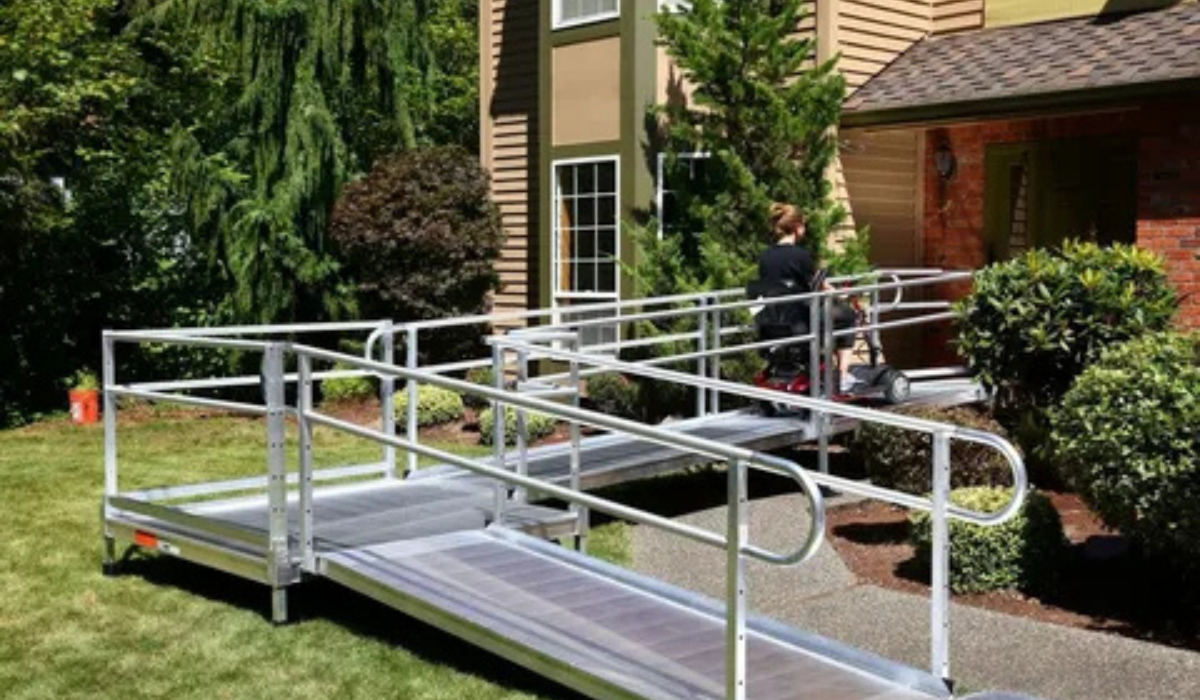
1. Improve Entryways With Wheelchair Ramps and Step-Free Access
A front entrance with several steps can become a major barrier for someone who uses a wheelchair, walker, or mobility scooter. Even a single raised threshold can make entering the house harder than it should be.
A properly designed ramp can create a smoother route between the outdoor path and the entrance. Depending on the property, other options include a low-threshold entrance, a platform lift, or a different accessible entrance.
What should you consider before installing a ramp?
Look at the height difference, available space, weather exposure, and the route people will use every day.
A ramp should have a firm, stable, slip-resistant surface. Handrails, level landings, and edge protection may also be necessary, depending on the design and applicable standards.
For ramps on accessible routes covered by the ADA standards, the general maximum running slope is 1:12, and the minimum clear width is 36 inches. These specifications are not automatically legal requirements for every private home, so check the rules that apply to your project.
If there is not enough room for a suitably gentle ramp, a professionally selected platform lift may be worth considering.
Example: Imagine a homeowner who uses a wheelchair but has three steps leading to the front door. Instead of choosing a steep, improvised ramp, the homeowner arranges an assessment to determine whether a properly sized ramp or a lift would provide safer access.
Pro tip: Measure the entire route, including space for turning and opening the door. A ramp that reaches the entrance but leaves no room to operate the door may not solve the real problem.
2. Make Bathrooms Easier and Safer to Use
Bathrooms deserve special attention because people often need to step over a tub edge, stand on a wet surface, or move between sitting and standing positions.
The right bathroom accessibility solutions depend on the user’s balance, strength, transfer ability, and preferred bathing routine.
Start with practical bathroom upgrades
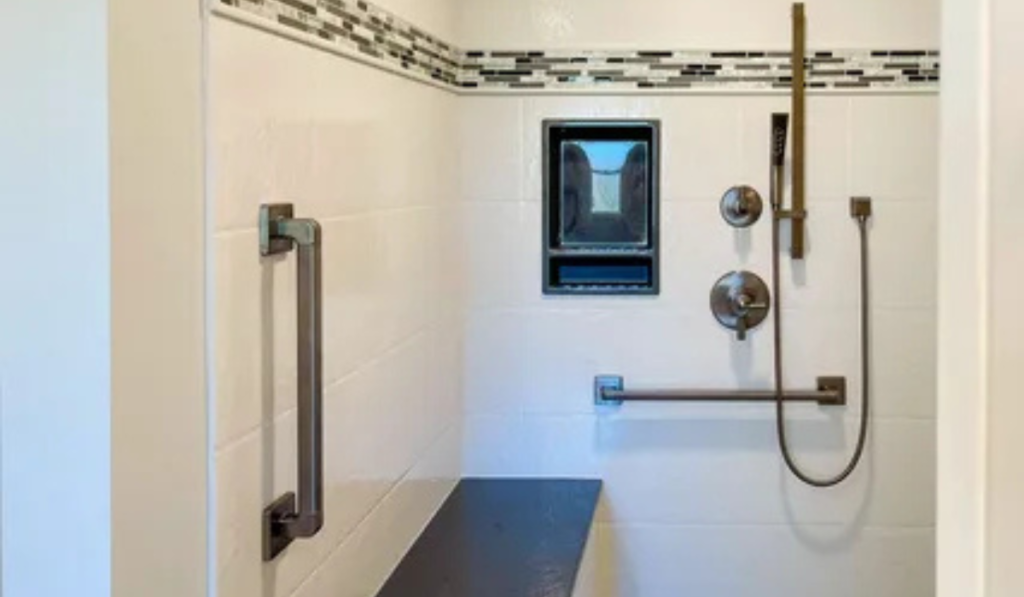
- Securely installed grab bars: Place them where support is needed, using suitable fixings and professional installation when required.
- Accessible showers: A low-threshold or curbless shower can reduce the need to step over a raised edge.
- Shower seating: A suitable seat can help people who have difficulty standing throughout a shower.
- Handheld showerheads: These can make bathing easier while seated or when movement is limited.
- Non-slip surfaces: Choose suitable flooring and shower surfaces, and keep them clean and free of soap buildup.
- Accessible toilets: Depending on individual needs, a raised toilet seat or support frame may make sitting and standing easier.
A walk-in tub may suit some households, but it is not automatically the safest choice for everyone. Users still need to enter, exit, and manage the door safely. Compare it with an accessible shower and consider the person’s abilities before making a decision.
For more ways to improve bathroom layout and use available space effectively, see our guide to small bathroom ideas.
Avoid a common installation mistake
Grab bars need to be securely anchored to an appropriate structure or installed using a system specifically designed for the intended load. A suction-cup accessory should not be treated as a substitute for a load-bearing grab bar unless the manufacturer explicitly rates it for that use and the installation meets its requirements.
Pro tip: Plan bathroom changes around the movements a person actually makes: entering the shower, turning, reaching for toiletries, sitting down, and standing up. A safety feature is useful only when it is positioned where the person can use it comfortably.
3. Make Doorways, Hallways, and Room Layouts More Accessible
A home may have plenty of floor space but still be difficult to navigate because furniture blocks the route or doorways are too narrow.
Start with the simplest changes before planning major construction.
Create clear pathways
- Move unnecessary furniture away from frequently used routes.
- Keep electrical cables out of walking paths.
- Remove loose rugs or secure them with suitable non-slip backing.
- Reduce clutter near doors, hallways, and frequently used furniture.
- Make sure doors can open fully without striking furniture or other obstacles.
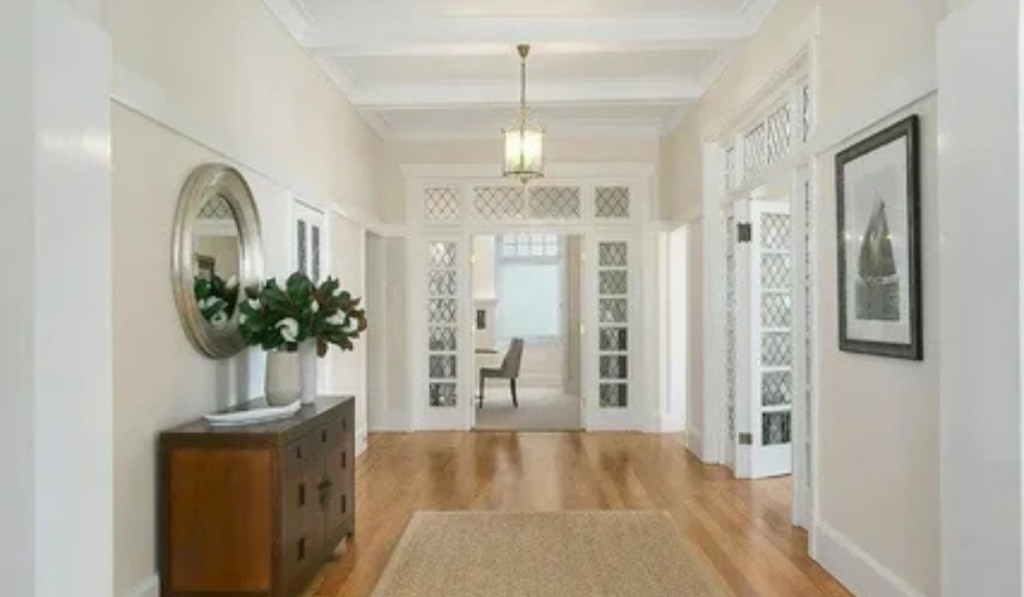
If these adjustments are not enough, widening a doorway may improve access for wheelchair users and people using walkers.
For doorways covered by the applicable ADA standards, the general minimum clear opening is 32 inches. Clear opening means the usable passage with the door open, not simply the advertised width of the door. Actual requirements depend on the project and applicable standards.
Choose easier door hardware
Traditional round knobs can be difficult for people with limited grip strength or dexterity. Lever handles may be easier to operate, while appropriately selected automatic door openers can help in situations where opening a door manually is difficult.
Example: A person using a walker may struggle to pass through a hallway because a small table narrows the route. Moving the table may immediately improve access without any renovation.
Pro tip: Walk through the home with the person who will use it. Check whether they can turn around, reach door handles, approach furniture, and move between rooms without awkward movements. Do not assume that a visually spacious room is automatically accessible.
4. Improve Stair Access With Stairlifts and Platform Lifts
Stairs can become difficult because of reduced balance, joint pain, limited stamina, or mobility changes. When essential rooms are on another floor, the problem can affect everyday life.
A stairlift, platform lift, or residential elevator may help, but each serves a different purpose.
Which option fits the home?
Stairlift: A motorized seat travels along a rail attached to the staircase. It may suit someone who can transfer onto the seat and sit safely during the journey.
Platform lift: This carries a person while they remain in a wheelchair or another compatible mobility device. It can be useful where a ramp would require too much space.
Residential elevator: An elevator may be appropriate for a multistory home where long-term accessibility is a major planning priority.
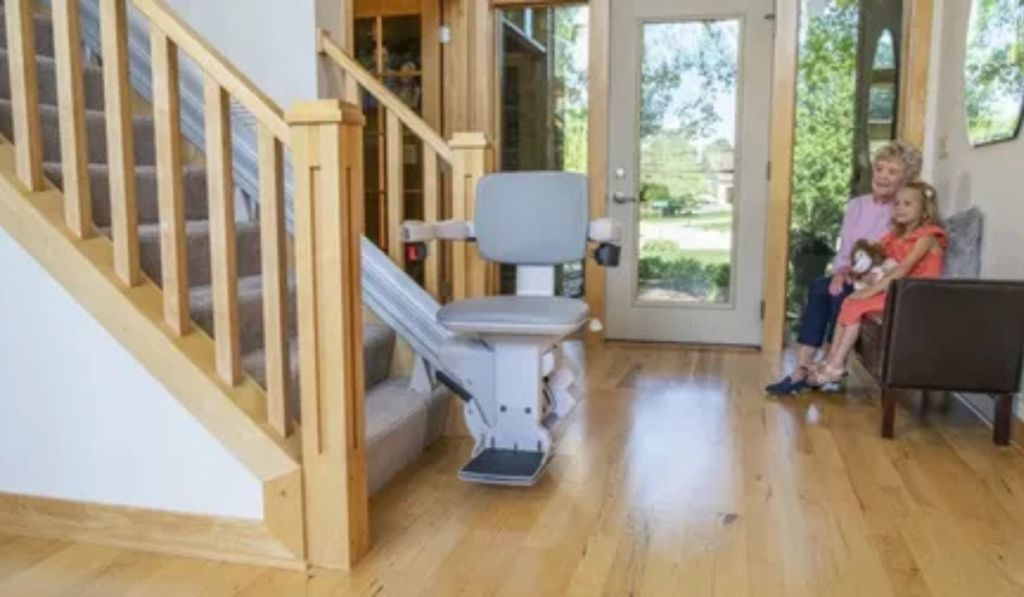
The choice depends on the staircase, available space, user’s transfer ability, weight limits, power supply, maintenance needs, and budget. A stairlift is not suitable for every user, particularly someone who cannot safely sit or transfer.
Pro tip: Think about the entire journey, not just getting upstairs. The person must also be able to reach the lift, get on or off safely, and access the destination room once the journey ends.
5. Make Kitchens Easier to Use
A kitchen should allow people to prepare food, reach everyday items, and clean up without unnecessary difficulty. High shelves, heavy drawers, and poorly positioned appliances can make routine tasks frustrating.
Fortunately, some useful kitchen accessibility solutions do not require a complete remodel.
Practical changes to consider
- Store frequently used dishes, food, and cooking tools within comfortable reach.
- Replace difficult-to-open cabinet doors with easier hardware where appropriate.
- Consider pull-out shelves or drawers to reduce bending and reaching.
- Improve lighting over counters, sinks, and cooking areas.
- Keep frequently used appliances accessible and their controls easy to operate.
- Consider an accessible work surface if the person needs to prepare food while seated.
Lower counters may help some wheelchair users, but the correct height depends on the person’s reach, seating position, and the task being performed. One fixed measurement will not work for everyone.
Think about the space beneath the counter, too. A lower surface will not be useful if cabinets prevent a seated user from approaching it.
Example: A person with limited shoulder movement may struggle to reach plates stored in an overhead cabinet. Moving everyday dishes to a lower shelf can solve the immediate problem without replacing the entire kitchen.
Pro tip: Organize the kitchen according to routine. Keep breakfast items together, place everyday cookware near the preparation area, and avoid storing frequently used products in awkward corners.
6. Improve Lighting, Flooring, and Visual Contrast
Accessibility involves more than wheelchair movement. People with low vision, balance difficulties, or changes in sensory function may also benefit from thoughtful lighting and surface choices.
A dim hallway, an abrupt change in floor level, or a difficult-to-see step can make navigation less comfortable.
Focus on visibility and stable surfaces
- Provide even lighting in hallways, stairways, bathrooms, and entrances.
- Reduce harsh glare and deep shadows where possible.
- Use contrasting colors to make important edges, controls, and changes in level easier to identify.
- Choose flooring that is firm, stable, and suitable for the mobility aids being used.
- Keep walking surfaces dry and address loose boards, damaged tiles, or uneven transitions.
- Add accessible controls for lights where switches are difficult to reach.
There is no single lighting arrangement that works for every person. Someone with low vision may need different lighting and contrast from someone who is sensitive to glare.
Home modifications can also help reduce falls when selected to match the person and their environment. A 2023 systematic review and meta-analysis of randomized trials found a 7% reduction in falls across the 10 studies included in its pooled analysis, involving 1,960 participants. The authors emphasized that effective interventions should be targeted, followed up, and matched to the individual’s environment and needs.
That finding supports thoughtful home safety planning; it does not mean every individual change will reduce falls by 7%.
Pro tip: Check the home during the evening as well as during daylight. Notice dark corners, glare on shiny floors, and places where a person may struggle to distinguish a step from the surrounding surface.
7. Use Smart-Home Technology to Support Independence
Technology can reduce the effort involved in everyday tasks, especially when reaching switches, operating controls, or moving between rooms is difficult.
Smart-home features are most useful when they solve a specific accessibility problem rather than adding complexity.
For more ideas on connected devices and home automation, read our smart home guide.
Useful options to explore
- Voice-controlled lighting: Turn lights on or off without walking to a switch.
- Smart plugs and compatible appliances: Control selected devices remotely, following manufacturer safety instructions.
- Automated lighting: Schedule lights or use suitable motion sensors to illuminate frequently used areas.
- Video doorbells and intercoms: Help residents see or communicate with visitors before opening the door.
- Accessible controls: Choose devices with readable displays, understandable menus, and controls that match the user’s abilities.
Technology also has limitations. Voice systems may misunderstand commands, internet-connected devices may lose connectivity, and some controls may be difficult for people with hearing, speech, or cognitive disabilities.
Privacy and security matter as well. Review device permissions, protect accounts, and avoid connecting essential safety functions to systems that are unreliable for your household.
Pro tip: Start with one feature, such as voice-controlled lighting in the bedroom or hallway. Let the user try it, then expand only if it genuinely makes daily life easier.
8. Consider Outdoor Access and Support for Caregivers
A home is more than its interior. Porches, patios, decks, garages, and garden paths may be important parts of everyday life, but raised steps, uneven paving, and narrow routes can make them difficult to reach.
Possible improvements include:
- Creating a suitable route from the entrance to the driveway or garden.
- Repairing uneven paving and removing avoidable obstacles.
- Installing an appropriate ramp or platform lift for raised outdoor areas.
- Improving exterior lighting around paths, steps, and entrances.
- Adding suitable handrails where needed.
Caregiver needs should also be part of the plan. If a family member helps with transfers or daily movement, the layout should provide enough room to work safely. Appropriate transfer aids may be useful, but equipment should be selected and used according to professional guidance.
Pro tip: Review outdoor access in wet weather and after dark. A route that seems manageable on a dry afternoon may become slippery, poorly lit, or difficult to navigate at other times.
9. Choose Home Accessibility Solutions That Fit Your Budget
Not every household can afford a major renovation, and not every home needs one. The best approach is to prioritize changes according to their practical value, urgency, and cost.
Start with smaller changes
These may include:
- Rearranging furniture and removing obstacles.
- Improving lighting in frequently used spaces.
- Replacing difficult-to-operate door handles.
- Moving commonly used items to accessible shelves.
- Adding suitable non-slip backing to rugs that are safe to keep.
Larger projects, such as widening doorways, installing a stairlift, or remodeling a bathroom, may require professional assessment and construction.
Instead of comparing products by price alone, consider installation, maintenance, repairs, power requirements, and how well the solution will work if the person’s needs change.
Look for financial assistance
Some US programs may help eligible homeowners pay for qualifying home repairs or accessibility-related improvements.
- The U.S. Department of Veterans Affairs offers Specially Adapted Housing and Special Home Adaptation grants for eligible veterans and service members with qualifying service-connected disabilities.
- The USDA Rural Development Section 504 Home Repair program offers qualifying rural homeowners loans for eligible home improvements and grants to eligible homeowners aged 62 or older for health and safety hazards.
These programs are not available to everyone, and eligibility should be confirmed directly with the relevant agency. Other local assistance may exist depending on the homeowner’s location.
Pro tip: Divide your project into three groups: changes needed immediately, improvements that can wait, and longer-term upgrades. This makes budgeting easier and helps prevent spending money on low-priority features first.
10. Create a Home Accessibility Plan Before Starting Renovations
The biggest mistake is choosing a product before understanding the problem. A ramp, lift, or accessible shower may be useful, but the wrong option can waste money or create new difficulties.
A home assessment can help identify barriers and match improvements to the person’s daily routine.
Use this simple planning checklist
- Identify the rooms and tasks that are hardest to use.
- Check entrances, doorways, hallways, and changes in floor level.
- Review bathroom access, toilet use, and bathing arrangements.
- Check whether kitchen counters, cabinets, and appliances are reachable.
- Consider vision, hearing, dexterity, balance, and mobility needs.
- Set a budget for equipment, installation, and future maintenance.
- Consult an appropriately qualified professional for structural or safety-related work.
- Test the completed changes with the intended user wherever possible.
For major modifications, consider an occupational therapist or an accessibility specialist who can assess how the person interacts with the home. Contractors can then help determine how suitable changes can be implemented.
If you are planning broader changes to your property, explore our guide to home renovation ideas for practical ways to plan improvements around your household’s needs.
A practical example
Consider a hypothetical homeowner whose parent has begun struggling with the stairs and bathroom. The family initially considers installing a stairlift and replacing the bathtub.
After reviewing the daily routine, they identify three immediate concerns: the bathroom entrance is difficult to navigate, the shower lacks suitable support, and a loose rug obstructs the hallway.
They address the immediate hazards first, arrange an assessment of the bathroom, and then compare stair-access options based on the parent’s mobility and ability to transfer safely.
This approach avoids committing to expensive equipment before confirming that it meets the person’s needs.
Pro tip: Reassess the home after major health or mobility changes. Accessibility is not a one-time project; a solution that works well today may need adjustment later.
Frequently Asked Questions About Home Accessibility Solutions
What are the most useful home accessibility solutions?
Common options include step-free entrances, wheelchair ramps, accessible bathrooms, grab bars, wider doorways, clear walking paths, improved lighting, and suitable stairlifts. The right choice depends on the individual’s needs and the home’s layout.
How can I make my home more accessible without major renovations?
Start by clearing pathways, moving frequently used items within comfortable reach, improving lighting, securing or removing trip hazards, and replacing difficult door knobs with suitable lever handles. These changes can improve usability without major construction.
Do I need a professional to make my home accessible?
Not for every small adjustment. However, structural changes, ramp construction, lift installation, and grab bars intended to support body weight may require professional assessment or installation. Follow relevant building standards and product instructions.
Are home accessibility modifications only for older adults?
No. They can benefit people with permanent or temporary disabilities, people recovering from injuries or surgery, wheelchair users, and anyone whose mobility, vision, hearing, or dexterity affects how they use their home.
Can home modifications help prevent falls?
Appropriately selected home modifications can reduce fall risk. Research supports targeted interventions, but no single feature guarantees safety. Results depend on the person’s needs, the home environment, installation quality, and follow-up.
Final Thoughts
The best home accessibility solutions do not necessarily involve the biggest renovations or the most expensive equipment. They solve the problems that make everyday living harder.
For one household, that may mean installing a properly designed entrance ramp. For another, it may involve improving bathroom access, clearing narrow hallways, adding suitable lighting, or making kitchen storage easier to reach.
Start by understanding the person’s needs, prioritize the most important barriers, and seek professional guidance when safety or structural changes are involved.
A more accessible home is one that allows the people living in it to move around, manage daily tasks, and enjoy their space with greater comfort and independence. Plan for the needs that exist today while leaving room for those that may arise in the future.
References for Further Reading
- Harvard Joint Center for Housing Studies — Residents’ experiences of home accessibility.
- U.S. Access Board — ADA guide to ramps and curb ramps.
- National Library of Medicine — Systematic review of home modifications for fall prevention.
- Centers for Disease Control and Prevention — Disability prevalence and health care access.
- U.S. Department of Veterans Affairs — Disability housing grants for veterans.
- USDA Rural Development — Single Family Housing Repair Loans and Grants.