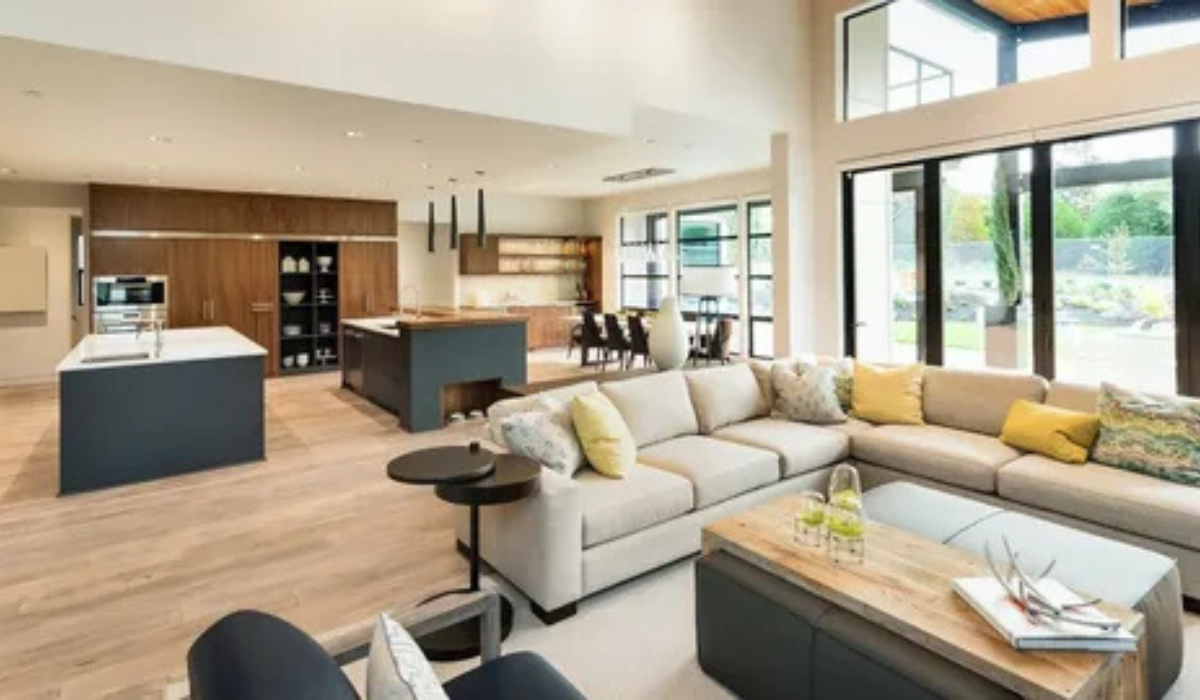
Your home might have beautiful furniture, attractive walls, and modern decorations, but does it actually make everyday life easier? A poorly organized kitchen, dark living room, outdated bathroom, or lack of storage can make even a spacious property feel uncomfortable. The good news is that improving your home does not always require expensive renovations or replacing everything you already own.
Home Upgrades Mintpalment is about making thoughtful improvements that bring together comfort, functionality, appearance, and long-term value. Instead of spending money on every new decorating trend, you can focus on changes that solve real problems and make your living environment more enjoyable.
For example, improving kitchen storage, replacing outdated lighting, refreshing worn walls, or sealing gaps around windows can make a noticeable difference without requiring a complete renovation. Some exterior improvements can also offer attractive resale returns.
In this guide, we will explore practical home upgrades, explain where your money can make the greatest difference, and discuss how to avoid common renovation mistakes. Whether you own a small apartment or a large family house, the goal is to create a space that works better for the way you actually live.
1. Start With the Problems Your Home Needs to Solve
Before purchasing new furniture, choosing paint colors, or hiring a contractor, take time to understand what your home actually needs. Many homeowners make the mistake of starting with decorative improvements while ignoring problems that affect everyday comfort.
Walk through each room and pay attention to the areas that cause inconvenience.
For example:
- Does your living room feel crowded because of oversized furniture?
- Is your kitchen difficult to use because essential items are poorly organized?
- Do certain rooms receive very little natural light?
- Are there damaged floors, leaking taps, or outdated fixtures?
- Do your windows and doors allow unwanted drafts?
- Is there enough storage for everyday belongings?
Write down these problems and separate them into three categories: essential repairs, functional improvements, and decorative changes. Homeowners who want to make better use of unused rooms can also consider practical home gym ideas that turn available space into a functional exercise area.
This simple process helps you understand which projects deserve immediate attention and which can wait.
Prioritize Improvements That Make Everyday Life Easier
A family might want to repaint its living room, replace decorative accessories, and purchase a new dining table. However, if the kitchen has insufficient storage and the bathroom has a leaking tap, those problems may deserve attention first.
Pro Tip: Spend a few days observing how you use different rooms. You may notice that the same small inconvenience happens repeatedly. Fixing that problem can provide more practical value than purchasing another decorative item.
2. Create a Realistic Home Improvement Budget
A successful renovation requires financial planning. Even relatively small projects can become expensive when you purchase materials without comparing prices or discover additional repair work halfway through the process.
Start by deciding how much you can comfortably spend without affecting essential household expenses.
Divide your budget into separate categories:
| Budget category | What it covers |
|---|---|
| Essential repairs | Leaks, damaged surfaces, and safety issues |
| Materials | Paint, flooring, lighting, and fixtures |
| Labor | Contractors, electricians, and plumbers |
| Functional upgrades | Storage, furniture, and organization |
| Decorative improvements | Curtains, artwork, and accessories |
| Contingency | Unexpected expenses |
Keep a reserve for unexpected costs, especially when renovating older properties. Hidden damage, outdated wiring, or plumbing problems can increase the original estimate.
Another useful strategy is to complete one project at a time. This gives you better control over spending and allows you to evaluate the results before starting another improvement.
Compare Long-Term Costs Instead of Choosing the Cheapest Option
Cheap materials may look attractive initially, but poor durability can lead to frequent repairs or replacement.
For example, a homeowner choosing kitchen cabinet hardware should compare material quality, finish, and expected maintenance requirements rather than purchasing the cheapest available handles.
Pro Tip: Before approving a major project, obtain more than one contractor estimate. Compare what each quote includes, such as materials, labor, cleanup, warranties, and possible additional charges.
3. Improve Your Kitchen Without a Complete Renovation
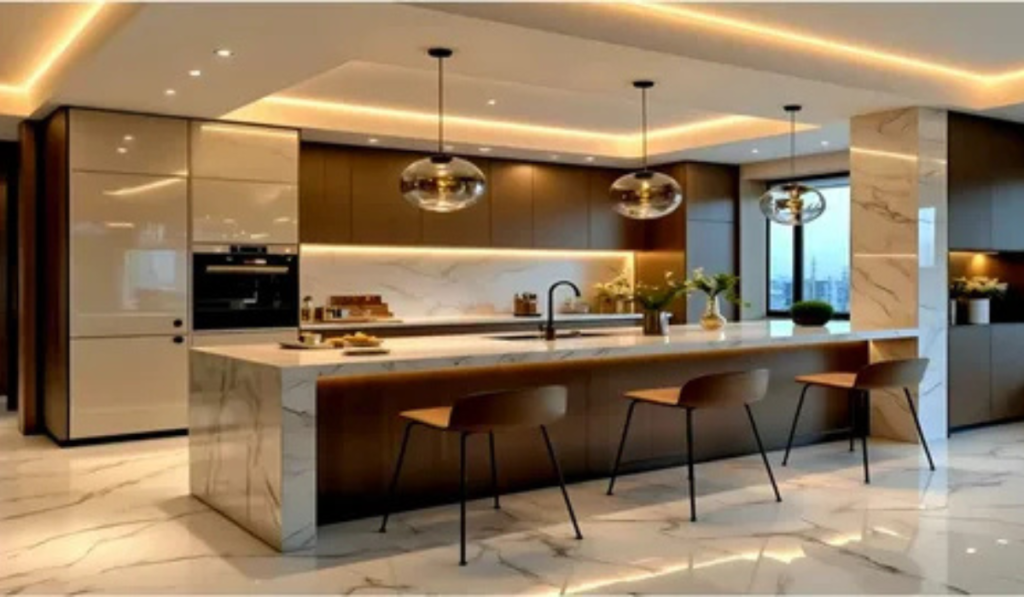
The kitchen is one of the busiest areas in most homes. It supports cooking, cleaning, food preparation, storage, and family activities. Therefore, even small improvements can make everyday routines more convenient.
You do not necessarily need expensive cabinets or new countertops to improve the space.
Start with simple changes:
- Replace outdated cabinet handles.
- Repair loose hinges and damaged drawers.
- Organize frequently used cooking equipment.
- Remove unnecessary countertop items.
- Improve lighting above preparation areas.
- Add practical cabinet organizers.
- Refresh worn backsplash surfaces when appropriate.
If you have a larger budget, consider improving the kitchen layout. Make sure there is sufficient room to move between the refrigerator, sink, preparation surfaces, and cooking area.
A visually attractive kitchen is not particularly useful if you constantly struggle to reach everyday items.
Consider a Minor Kitchen Upgrade Before a Major Remodel
The 2025 Cost vs. Value research provides an interesting financial perspective. Its reported US national estimates show that a minor kitchen remodel costing approximately $28,458 could add around $32,141 in resale value, representing approximately 113% cost recovery.
This does not mean every kitchen renovation will produce the same result. However, it demonstrates why smaller, carefully selected improvements can sometimes make more financial sense than completely replacing an existing kitchen.
Pro Tip: Before ordering new cabinets, inspect the existing ones. If their structure is still in good condition, replacing hardware, improving organization, and refreshing their appearance may be a more sensible investment.
4. Use Better Lighting to Improve Every Room
Lighting has a significant influence on how comfortable and functional a home feels. A room with attractive furniture can still appear uninviting if it has dark corners or poorly positioned lights.
A better approach is to combine different types of lighting according to how each room is used.
Understand the Three Main Types of Lighting
Ambient lighting: Provides general illumination throughout a room. Ceiling fixtures and recessed lights are common examples.
Task lighting: Helps you complete specific activities. Examples include kitchen counter lights, desk lamps, and reading lights.
Accent lighting: Highlights selected features, such as artwork, shelving, architectural details, or decorative objects.
Natural daylight should also be part of your lighting plan. Keep windows clean, avoid blocking them with oversized furniture, and choose suitable window treatments that balance privacy with daylight.
LED bulbs are another useful improvement. They generally use less electricity than traditional incandescent bulbs for comparable light output.
Pro Tip: Instead of installing one extremely bright light in every room, think about how you use each area. A combination of ambient and task lighting usually provides greater flexibility and comfort.
5. Make Storage an Important Part of Your Design
A home can look crowded even when it contains enough floor space. In many cases, the problem is not the size of the property but the absence of a suitable storage system.
Look at where clutter regularly accumulates. You might notice shoes near the entrance, cooking equipment on kitchen counters, or clothing covering bedroom furniture.
These patterns can help you identify where additional storage is needed.
Practical solutions include:
- Built-in shelving for books and decorative items.
- Under-bed storage for seasonal belongings.
- Wall-mounted cabinets in compact bathrooms.
- Entryway benches with hidden compartments.
- Drawer organizers for kitchens and bedrooms.
- Multifunctional furniture for smaller rooms.
If you are improving a dedicated workspace, these home office ideas can help you organize furniture, lighting, and storage more effectively.
Choose Storage According to Your Available Space
If you have a small bedroom, adding another large wardrobe might make movement difficult. A storage bed or vertical shelving could be a better choice.
Similarly, wall-mounted shelves can provide additional storage without occupying valuable floor space.
Pro Tip: Before purchasing storage furniture, measure the available area and consider door openings, walking paths, and access to windows. Storage should make a room easier to use, not create another obstacle.
6. Refresh Walls, Paint, and Interior Finishes
Walls occupy a large part of your home’s visible interior, so their condition can strongly influence the overall appearance of a room.
Old paint, stains, scratches, and damaged surfaces can make an otherwise comfortable space feel neglected.
A fresh coat of paint is often a practical starting point. For additional inspiration, explore different modern home decor approaches that combine attractive finishes with practical interior design.
Neutral colors such as warm white, beige, and light gray can work well in many interiors. If you prefer stronger colors, consider using them on a single feature wall or through smaller decorative elements.
Other useful improvements include:
- Repairing cracks and damaged plaster.
- Refreshing outdated wallpaper.
- Updating wall decorations.
- Replacing worn baseboards.
- Coordinating wall colors with existing flooring.
- Adding framed artwork where appropriate.
Do Not Choose Colors Without Considering the Whole Room
A paint color might look attractive in a store but appear completely different under your home’s lighting conditions.
Before painting an entire room, test a small area and observe how the color looks during morning, afternoon, and evening light.
Zillow’s research has also highlighted the relationship between interior color choices and buyer preferences. Its analysis associated olive-green kitchens with approximately $1,600 higher sale prices compared with other kitchen colors.
This is a reported market association, not a guaranteed price increase. Still, it shows that cosmetic choices can influence how buyers perceive a property.
Pro Tip: Select paint colors after considering your existing furniture, flooring, curtains, and natural lighting. This prevents unnecessary purchases simply to make everything match.
7. Make Bedrooms More Comfortable and Organized
Your bedroom should support relaxation, sleep, and personal comfort. However, too much furniture, poor lighting, and insufficient storage can make it difficult to maintain a peaceful environment.
Start by evaluating the room’s layout.
Keep the bed in a position that allows comfortable movement and avoid placing large furniture where it blocks natural light or access to storage.
Consider these improvements:
- Replace worn bedding when necessary.
- Introduce suitable curtains for privacy and light control.
- Use bedside lighting for reading.
- Organize clothing with drawers and wardrobe compartments.
- Remove unnecessary furniture.
- Keep frequently used belongings accessible.
Soft neutral shades, gentle greens, and muted blues can create a calm appearance, although the best choice depends on personal preference and the room’s existing design.
Pro Tip: Before purchasing new bedroom furniture, try rearranging what you already have. Sometimes a better layout creates more usable space without increasing your renovation budget.
8. Improve Bathroom Comfort and Prevent Moisture Problems
Bathrooms require regular maintenance because water, humidity, and frequent use can gradually damage surfaces and fixtures.
Small problems should not be ignored simply because they appear unimportant.
Check visible plumbing connections, taps, shower fixtures, tile grout, and areas around sinks for signs of leakage or deterioration.
Practical improvements include:
- Replacing worn showerheads and taps.
- Refreshing damaged caulk.
- Repairing loose tiles.
- Cleaning grout regularly.
- Installing suitable storage shelves.
- Improving bathroom ventilation.
- Replacing outdated mirrors and lighting.
Proper ventilation is particularly important because excess indoor moisture can encourage mold growth.
An exhaust fan or suitable natural ventilation can help remove humid air. However, existing mold or persistent moisture problems may also require fixing leaks and addressing the underlying source.
Pro Tip: Inspect the areas around showers, bathtubs, and sinks regularly. Addressing moisture problems early can help prevent more expensive repairs later.
9. Improve Energy Efficiency Without Overspending
A comfortable home should not waste electricity or water unnecessarily. Energy-efficient improvements can help maintain indoor comfort while reducing avoidable household consumption.
You do not need to replace every appliance immediately. Start by identifying where energy is being wasted.
Practical Energy-Efficient Improvements
Seal air leaks: Check gaps around windows, doors, and other openings. Suitable weatherstripping and caulking can help reduce unwanted air movement.
Improve insulation: Appropriate insulation can help maintain indoor temperatures and reduce heating and cooling demands.
Choose efficient lighting: Replace frequently used incandescent bulbs with suitable LED alternatives.
Maintain appliances: Clean filters, follow manufacturer maintenance instructions, and replace inefficient equipment when necessary.
Reduce water waste: Consider water-efficient showerheads and faucets where suitable.
Use window coverings wisely: Curtains and blinds can help manage sunlight and indoor comfort, depending on the season and climate.
For additional guidance, the US Department of Energy’s Energy Saver resources explain practical ways homeowners can improve household energy performance.
Pro Tip: Start with low-cost improvements such as sealing obvious air leaks and replacing frequently used inefficient bulbs. Review your energy consumption before and after making changes rather than assuming every upgrade will produce the same savings.
10. Give Your Exterior More Attention
Your home’s exterior creates the first impression for visitors and potential buyers. However, improving curb appeal should involve more than adding decorative accessories.
Focus on maintenance, cleanliness, and practical improvements.
Consider:
- Cleaning the front entrance.
- Repairing damaged walkways.
- Maintaining lawns and garden beds.
- Refreshing exterior doors.
- Improving outdoor lighting.
- Repainting worn exterior surfaces.
- Organizing porches and outdoor seating areas.
Choose Exterior Improvements With Strong Potential Returns
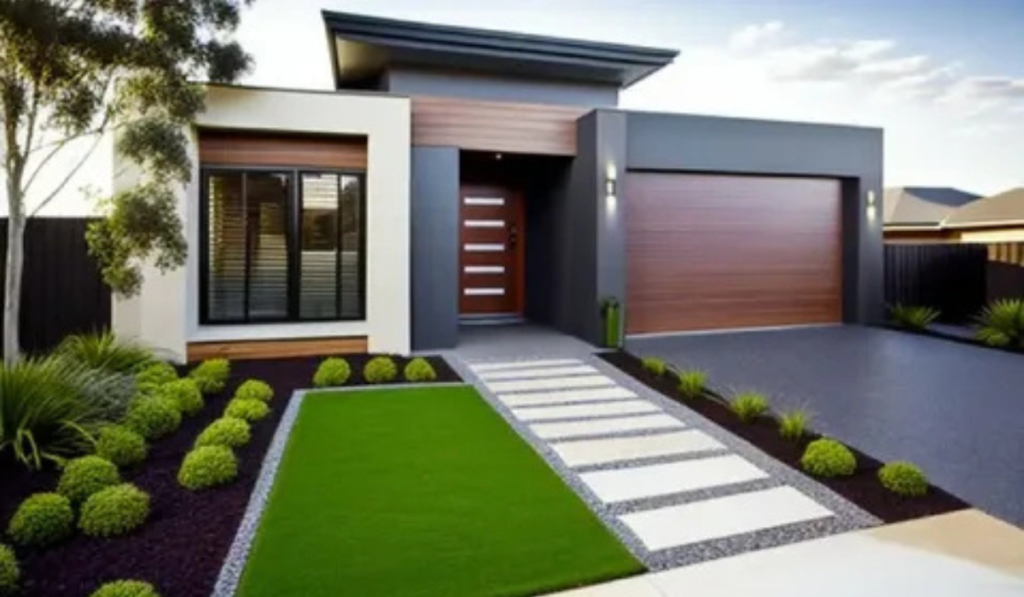
The 2025 Cost vs. Value Report highlights an interesting example.
A garage door replacement had an estimated project cost of approximately $4,672 and a reported resale value of around $12,507, representing approximately 268% cost recovery.
A steel entry door replacement also showed a reported cost recovery of approximately 216%.
These figures demonstrate that exterior improvements can sometimes provide stronger resale returns than expensive interior projects.
However, remember that these are US national estimates. Your property’s location, condition, local market, and installation costs will influence the actual financial outcome.
Pro Tip: Before spending heavily on landscaping or exterior decoration, inspect your entrance, garage door, house numbers, pathways, and outdoor lighting. Small maintenance improvements can make the entire property feel better cared for.
11. Consider Smart Home Upgrades That Solve Real Problems
Technology can make everyday household activities more convenient, but not every smart device is worth purchasing.
The best smart home improvements address specific problems rather than adding technology simply because it is available. You can also explore these smart home improvements to understand how connected devices can make everyday household tasks more convenient.
Some useful options include:
- Smart lighting for convenient control.
- Programmable thermostats for temperature management.
- Smart doorbells for entrance monitoring.
- Suitable smart locks for controlled access.
- Leak sensors for early water-leak alerts.
- Energy-monitoring devices for tracking electricity use.
Zillow’s 2024 research reported that 36% of buyers considered smart-home capabilities highly important when searching for a property. Its analysis also found that homes featuring smart lighting were saved 3% more frequently on Zillow.
These findings suggest that smart features can influence buyer interest, although they do not guarantee higher sale prices.
Start With One Useful Device
Imagine a homeowner who frequently forgets to switch off lights in unused rooms. Installing smart lighting could provide a convenient way to control those lights remotely or through an automated schedule.
That is a more practical reason to invest than purchasing several expensive devices without a clear purpose.
Pro Tip: Check device compatibility, security updates, internet requirements, and ongoing subscription costs before purchasing smart home equipment.
12. Choose Timeless Improvements Instead of Following Every Trend
Home design trends change frequently. A particular paint color, furniture style, or decorative finish may become popular for a short period and then lose its appeal.
This does not mean you should avoid modern design. Instead, separate long-lasting improvements from temporary decorating choices. Using minimalist home decor principles can also help create a cleaner, more organized interior without unnecessary decorations.
Consider prioritizing:
- Durable flooring.
- Practical furniture layouts.
- Quality kitchen and bathroom fixtures.
- Functional storage.
- Good lighting.
- Neutral foundational colors.
- Materials that are easy to maintain.
You can introduce personal style through artwork, cushions, curtains, rugs, and smaller decorative accessories. These items are generally easier to replace than flooring, cabinets, or major fixtures.
Pro Tip: Before making an expensive design decision, ask yourself whether you would still find it useful and attractive several years from now. If the answer is uncertain, consider using a less permanent decorating option.
13. Understand What Homeowners Actually Value
An important part of Home Upgrades Mintpalment is recognizing that a successful home improvement project should not be judged only by its resale value.
The National Association of REALTORS® and the National Association of the Remodeling Industry published their 2025 Remodeling Impact Report to examine homeowner experiences, satisfaction, and renovation outcomes.
One particularly useful finding concerns the reasons people remodel. Approximately 28% identified functionality and livability as their most important remodeling outcome, compared with 23% who identified beauty and aesthetics.
The report also uses a Joy Score to measure homeowner satisfaction following renovation projects. Kitchen upgrades, new roofing, and primary bedroom additions received particularly strong satisfaction scores.
This provides an important lesson: a renovation can be worthwhile even when it does not generate a major financial return.
For example, improving bathroom accessibility may make daily routines easier for a family member. Adding better kitchen storage might reduce everyday inconvenience. Improving bedroom lighting can make the room more comfortable.
These benefits matter even if they do not appear directly in a property valuation.
Pro Tip: Before approving any renovation, identify its main purpose. Are you improving comfort, solving a maintenance problem, preparing to sell, or making better use of space? Your answer should guide the budget and design decisions.
14. Avoid Common Home Improvement Mistakes
Even well-intentioned renovations can produce disappointing results when homeowners overlook basic planning.
Here are some mistakes worth avoiding.
1. Starting without a clear plan: Beginning several projects simultaneously can create unnecessary expenses and unfinished work.
2. Ignoring maintenance problems: Painting over damaged surfaces or decorating around leaks does not solve the underlying issue.
3. Choosing appearance over functionality: Attractive furniture and fixtures are not useful if they make everyday activities more difficult.
4. Buying furniture without measuring: Oversized items can restrict movement and make rooms feel crowded.
5. Following every design trend: Expensive finishes may become outdated or unsuitable for your lifestyle.
6. Hiring unqualified workers: Electrical, structural, and complex plumbing work should be handled by appropriately qualified professionals.
7. Forgetting local requirements: Certain renovations may require building permits, inspections, or compliance with local regulations.
8. Spending the entire budget: Unexpected repairs can arise during renovation, so keeping a financial reserve is sensible.
The most reliable approach is to plan carefully, complete essential work first, and evaluate each improvement before moving forward.
Final Thoughts: Build a Home That Works Better for You
Home Upgrades Mintpalment is ultimately about making thoughtful decisions that improve the way you live. A better home does not necessarily require expensive furniture, complete renovations, or the latest interior design trends.
Sometimes, replacing outdated lighting, organizing kitchen cabinets, improving storage, refreshing walls, or fixing drafty windows can make a more meaningful difference.
Research from NAR, Zillow, and the Cost vs. Value Report also demonstrates that homeowners should consider more than appearance when planning improvements. Comfort, functionality, homeowner satisfaction, energy performance, and potential resale value all deserve attention.
Start by identifying the problems that genuinely affect your home. Set a realistic budget, compare your options, and prioritize improvements that provide lasting practical benefits.
Remember: The best home upgrade is not necessarily the most expensive one. It is the improvement that makes your home more comfortable, useful, and enjoyable for the people who live in it.