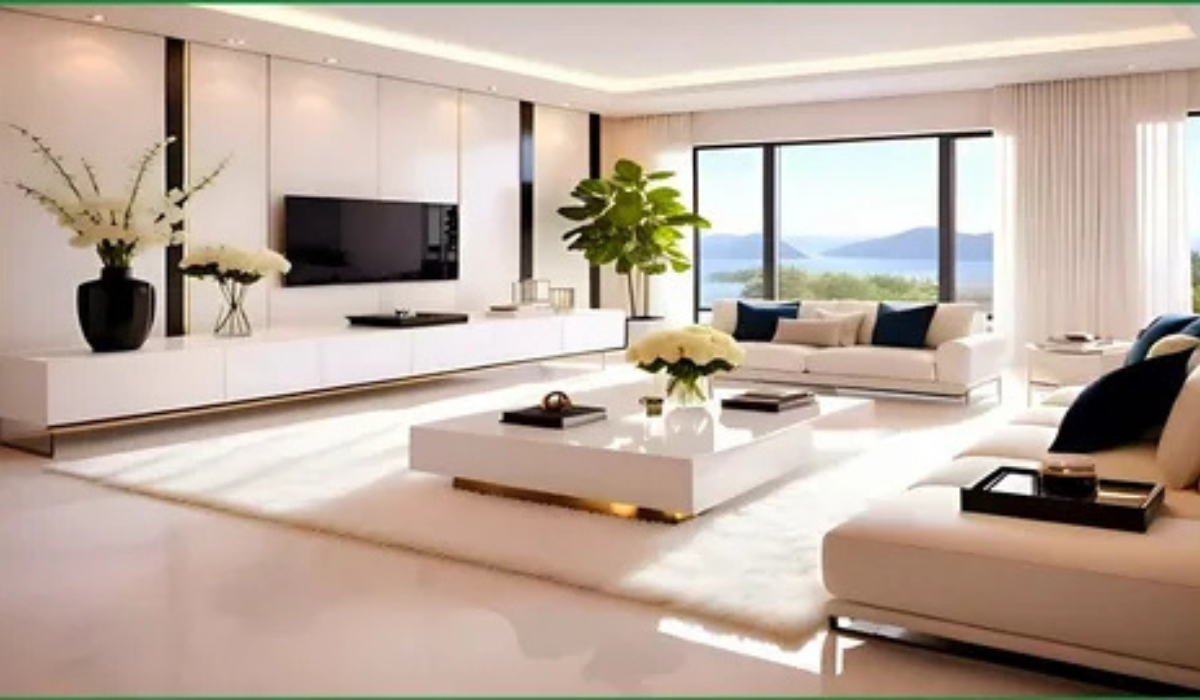
Decorating your home can feel surprisingly difficult. You may save dozens of beautiful room photos, buy a few trendy accessories, and even change your wall color, yet the space still doesn’t feel quite right. Sometimes the problem isn’t a lack of style. It’s choosing trends that look attractive individually but don’t work together or suit the way you actually live.
The latest decoration trends MintPalDecor can help you approach your space with a clearer direction. Interior design in 2026 is moving toward warmer colors, natural materials, comfortable furniture, personal details, and rooms that feel lived in rather than carefully staged. Instead of following every new look, the smarter approach is to select a few ideas that make your home more welcoming and practical.
You don’t need a complete renovation to achieve this. A different lighting arrangement, textured cushions, a vintage side table, or a warmer wall color can make a noticeable difference. Let’s look at the decorating trends worth considering and how you can use them without making your home feel overcrowded or expensive.
1. Warm, Earthy Colors Are Taking Center Stage
Cool gray interiors and stark white rooms are no longer the only popular choices. Many designers are giving more attention to colors that create warmth and a connection with nature.
Popular shades include:
- Warm beige, cream, and soft ivory
- Terracotta and muted rust
- Olive, sage, and forest green
- Chocolate brown and caramel
- Muted blue and dusty green
- Mustard and warm honey tones
These colors work because they create a comfortable background without making a room feel too plain. For example, a living room with warm beige walls, an olive-green chair, and wooden furniture can feel inviting without requiring many decorative accessories.
Houzz’s 2026 design coverage also highlights earthy shades, including terracotta, sage, olive, warm neutrals, and browns. The direction is toward layered, comfortable color rather than relying entirely on cold neutrals.
How to Use Earthy Colors Without Overdoing Them
Start with one main color and introduce one or two supporting shades. If you choose olive green for a feature wall, you might add cream curtains and warm wood furniture. If terracotta is your preferred color, use it in cushions, pottery, or a small accent area.
Pro tip: Test paint samples on more than one wall. A color can look completely different in morning daylight, afternoon sunlight, and artificial evening lighting. Live with the samples for a few days before making your decision.
2. Natural Materials Make Rooms Feel More Relaxed
One of the strongest decoration trends is the use of natural materials. Wood, stone, linen, wool, rattan, jute, and handmade ceramics bring visual texture into a room.
The advantage is that these materials don’t need to match perfectly. A wooden coffee table can work with a linen sofa, a woven rug, and a ceramic vase. Their different surfaces create interest while keeping the overall atmosphere relaxed.
You can introduce natural materials through:
- Wooden dining tables and sideboards
- Linen curtains and cushion covers
- Wool or jute rugs
- Rattan baskets and chairs
- Stone accessories and tabletops
- Handmade ceramic bowls and vases
Natural finishes are also useful when you want a room to feel less artificial. A space filled with glossy surfaces and matching furniture can sometimes look flat. Mixing a few tactile materials gives the eye more to notice.
Choose Materials According to the Room
Not every natural material is suitable everywhere. For example, untreated wood may need extra care in damp areas, while some woven fabrics are harder to clean in busy households.
A better approach is to consider appearance and maintenance together. Choose washable fabrics for frequently used seating, moisture-suitable finishes for bathrooms, and durable surfaces for kitchen work areas.
Pro tip: You don’t need to replace your furniture to introduce natural textures. A woven basket, linen cushion covers, wooden tray, or ceramic lamp base can create the same design direction at a much lower cost.
3. Curved Furniture Softens the Look of a Room
Straight lines and sharp furniture shapes have their place, but rounded designs are becoming more noticeable in contemporary interiors. Curved sofas, oval coffee tables, rounded chairs, arched mirrors, and sculptural lamps can make a room feel softer.
This trend is particularly useful in spaces where most furniture has square edges. A rounded coffee table, for example, can break up a room filled with rectangular sofas, cabinets, and shelves.
Popular choices include:
- Curved-back accent chairs
- Oval and circular coffee tables
- Rounded sofa arms
- Arched mirrors
- Dome-shaped pendant lights
- Soft-edged decorative accessories
However, don’t assume that every piece of furniture needs a curved shape. Too many rounded items can make the room feel unbalanced, especially when the space is small.
Balance Curves With Simple Furniture
Imagine a living room with a straight three-seat sofa, a rounded wooden coffee table, and an arched floor lamp. The contrast gives the room character without making it look overly decorative.
Pro tip: If you’re working with a small living room, consider an oval coffee table instead of a large rectangular one. It can create a softer visual arrangement, but always check the walking space around it before buying.
4. Personal Style Is Replacing Perfectly Matching Interiors
A home doesn’t need to look like a furniture showroom to look beautiful. One important direction in interior design is the move toward more personal spaces that reflect the people who live in them.
This means combining different furniture styles, displaying meaningful objects, and using artwork that has a connection to your interests or experiences.
For example, you might combine:
- A modern sofa with a vintage wooden cabinet
- Contemporary lighting with traditional artwork
- Family photographs with handmade ceramics
- A simple dining table with different chair styles
- Modern accessories with inherited furniture
The goal is not to collect random objects. It’s to create a space that feels intentional and personal.
Architectural Digest’s 2026 interior design forecast discusses a stronger interest in self-expression, saturated colors, eclectic combinations, and decorative details. This supports the idea that personality is becoming an important part of interior design.
How to Mix Old and New Successfully
The easiest way to combine different styles is to find something that connects them. It might be a shared color, similar wood tone, repeated material, or balanced furniture proportions.
For instance, an older wooden cabinet can work beautifully in a modern room if its warm finish complements the floor or other furniture.
Pro tip: Before buying another decorative item, look around your home. You may already own something meaningful that deserves a better position. Reusing an existing piece often creates a more personal result than buying another matching accessory.
5. Warm Minimalism Keeps Spaces Simple but Comfortable
Minimalism is still relevant, but many homes are moving away from spaces that feel empty or overly strict. Warm minimalism keeps the benefits of a clean layout while adding texture, natural finishes, and comfortable details. If you want to choose the right essentials for this style, our guide to minimalist home decor essentials explains how to balance furniture, lighting, textiles, and decorative accents
Instead of removing everything, focus on keeping what serves a purpose or adds value to the room.
A warm minimalist interior might include:
- A neutral sofa with textured cushions
- A wooden coffee table
- A simple rug
- One or two carefully selected artworks
- Soft curtains
- Warm, layered lighting
- Practical hidden storage
The difference is that the room remains simple without feeling cold.
Make Every Item Earn Its Place
Most people get this wrong by thinking minimalism means having as few objects as possible. In reality, a useful room needs enough furniture and storage to support everyday activities.
A better approach is to remove unnecessary clutter while keeping items that improve comfort and function.
Pro tip: Start with one surface, such as a coffee table or bedroom dresser. Remove items you rarely use, then return only a few useful or meaningful pieces. Apply the same method gradually throughout the home.
6. Textured Walls Add Character Without Extra Clutter
Paint is not the only way to decorate a wall. Textured finishes are receiving attention because they add depth and interest without requiring lots of pictures or accessories.
Some popular options include:
- Limewash finishes
- Textured plaster
- Grasscloth wallpaper
- Handmade-look tiles
- Fluted wood panels
- Decorative wall molding
- Natural stone finishes
These materials can create a subtle visual effect or become a strong feature in the room. For example, a textured finish behind a bed can make the bedroom feel more considered without adding a large collection of decorations.
Houzz’s 2026 design coverage also highlights tactile finishes, including textured plaster, limewash, handmade tiles, and natural materials.
Choose One Feature Wall Carefully
You don’t need to apply a textured finish to every wall. A single wall behind a bed, sofa, or dining area can be enough. For more practical ways to refresh your space without overspending, see our guide to 25 home renovation ideas to upgrade your space on any budget
Before choosing a finish, consider cleaning, installation, and maintenance. Some materials need specialist application, while others may not be suitable for damp or high-traffic areas.
Pro tip: If your budget is limited, try textured wallpaper or a carefully selected paint finish before paying for expensive wall treatments. The best option is the one that suits your room and maintenance needs.
7. Layered Lighting Makes a Home More Comfortable
Lighting has a major effect on how a room looks and feels. A beautiful interior can still appear dull if it depends on one bright ceiling light.
A more flexible arrangement combines three types of lighting:
Ambient lighting: Provides general illumination through ceiling fixtures, recessed lights, or suitable wall lights.
Task lighting: Helps with specific activities, such as reading, cooking, studying, or working.
Accent lighting: Highlights artwork, architectural features, shelves, or decorative objects.
For example, a living room might use a ceiling fixture for general light, a floor lamp beside the sofa, and a small table lamp near a reading corner.
This approach makes the space more adaptable. You can use brighter lighting when completing tasks and softer lighting when relaxing.
Select Lighting for the Room’s Purpose
A kitchen needs practical visibility around work surfaces, while a bedroom usually benefits from softer, adjustable lighting. A home office needs enough light for reading and screen-based work without creating distracting glare.
Pro tip: Before buying a new decorative light, identify the dark areas in your room. Adding one well-positioned lamp may improve the space more than replacing the main ceiling fixture.
8. Vintage and Handmade Pieces Bring More Character
Vintage furniture and handmade accessories offer something that mass-produced decorations sometimes lack: individuality.
A secondhand wooden table, an older mirror, a handmade vase, or a traditional decorative object can add character to an otherwise modern interior.
You can use this trend without turning your home into an antique collection. One or two distinctive pieces are often enough.
Good places to introduce vintage and handmade items include:
- Entryway consoles
- Living room side tables
- Bedroom bedside cabinets
- Dining room centerpieces
- Open shelves
- Decorative wall displays
The most successful combinations usually include a balance between older and newer pieces.
Check Condition Before Buying Secondhand Furniture
A low price doesn’t always mean a good purchase. Inspect furniture for stability, damaged joints, unpleasant odors, signs of moisture, and surfaces that may need expensive restoration.
Also measure the item before bringing it home. A beautiful vintage cabinet can become a problem if it blocks a doorway or overwhelms a small room.
Pro tip: Start with smaller secondhand items, such as mirrors, stools, or side tables. They’re easier to position and generally involve less commitment than replacing major furniture.
9. Flexible Furniture and Hidden Storage Support Everyday Living
Modern homes often need to serve several purposes. A living room may also be a study area, a guest bedroom may double as a workspace, and a small dining area may need to support different activities.
That makes flexible furniture and practical storage especially useful.
Consider options such as:
- Storage ottomans
- Extendable dining tables
- Sofa beds
- Nesting tables
- Wall-mounted desks
- Modular shelving
- Beds with built-in storage
- Cabinets with concealed compartments
Integrated storage can also help keep everyday items out of sight. Houzz’s 2026 design coverage discusses concealed features such as panel-ready appliances, pocket-door cabinets, and built-in storage solutions.
Plan Storage Around What You Actually Own
Buying storage furniture before understanding your needs can waste money. First, identify what needs to be stored and how often you use it.
For example, frequently used items should remain easy to reach. Seasonal decorations and occasional-use belongings can be placed in less accessible storage.
Pro tip: Measure the items you want to store before choosing a cabinet or storage bench. Check door openings, internal shelf dimensions, and available floor space rather than relying only on the furniture’s external measurements.
10. Cozy Reading Corners and Small Retreat Spaces Are Gaining Attention
Not every home has enough space for a separate reading room or relaxation area. However, you can create a small retreat within an existing room.
Living room design coverage from Homes & Gardens for 2027 highlights reading nooks, cozy alcoves, and small seating arrangements as ways to make spaces feel more personal and useful.
You can create a similar area with:
- A comfortable chair
- A small side table
- A floor or table lamp
- A soft throw
- A compact bookshelf
- A cushion or footstool
A quiet corner near a window can become a comfortable place for reading, relaxing, or enjoying a few minutes away from screens.
Make the Corner Feel Connected to the Room
A separate seating area should complement the rest of the interior. Repeat one color or material from the main room so the corner feels like part of the overall design.
Pro tip: You don’t need to buy a complete reading-corner furniture set. Start with a chair you already own, add a suitable light, and see whether the space works before spending more.
11. Bring Nature Indoors With Plants and Natural Details
Plants remain a practical way to add color and life to interior spaces. They also work well with the wider interest in natural materials and earthy color schemes.
You can introduce greenery through:
- Indoor potted plants
- Small tabletop plants
- Hanging planters
- Fresh flowers
- Natural wood planters
- Botanical artwork
However, choose plants according to the amount of natural light and care you can provide. Some plants need bright indirect light, while others can tolerate lower-light conditions. A plant that doesn’t suit the room may become an ongoing maintenance problem.
You can also use natural details without living plants. Wooden bowls, stone accessories, woven baskets, and botanical prints can create a similar visual connection.
Pro tip: Start with one or two plants that suit your room’s light conditions. Consider their mature size and watering needs before placing them on shelves or near furniture.
12. Sustainable Decorating Means Buying More Carefully
A stylish home doesn’t need constant furniture replacements. One of the more useful decorating principles is to choose items that last, repair what can be repaired, and avoid buying accessories simply because they’re popular.
Practical ways to decorate more thoughtfully include:
- Repainting furniture instead of replacing it
- Choosing durable materials
- Reusing existing accessories
- Buying secondhand furniture in good condition
- Selecting timeless designs for expensive purchases
- Using washable or replaceable fabric covers
- Avoiding unnecessary decorative purchases
This approach can also help control your budget. A well-made table that stays useful for years may offer better value than a cheaper item that needs frequent replacement.
Pro tip: Spend more attention on items you use every day, such as your sofa, mattress, dining chairs, and main storage furniture. You can experiment with less expensive accessories when you want to introduce a new color or trend.
A Simple Example: Updating a Living Room Without a Full Renovation
Imagine a family with a living room that feels dark and crowded. The furniture is still in good condition, but the room has heavy curtains, too many small decorations, and only one ceiling light.
Instead of replacing everything, they could make a few focused changes.
First, they remove unnecessary accessories and rearrange the seating to improve movement through the room. Next, they introduce lighter curtains and a few warm-colored cushions. A wooden side table adds natural texture, while a floor lamp creates a comfortable reading area.
Finally, they keep the existing sofa and add one piece of artwork that connects the room’s colors.
The result is a more welcoming space without a major renovation. The important lesson is that decorating isn’t always about buying new things. Sometimes, better arrangement, lighting, and carefully selected details make the biggest difference.
Common Decorating Mistakes to Avoid
Following trends can be enjoyable, but some decorating decisions create problems that are difficult or expensive to correct.
Watch out for these common mistakes:
1. Following every trend at once: Combining too many colors, textures, shapes, and decorative styles can make a room feel busy. Choose a few ideas that work together.
2. Ignoring room measurements: Furniture that looks perfect online may be too large for your space. Measure the room, doorways, and furniture before buying.
3. Choosing appearance over comfort: A stylish chair is not a good purchase if you cannot sit in it comfortably. Consider how you will use each item.
4. Using the wrong materials: Delicate fabrics may not be practical for busy households, while unsuitable finishes can deteriorate in damp areas.
5. Depending on one light source: A single ceiling light may leave corners dark and make the room less flexible. Combine ambient, task, and accent lighting where appropriate.
6. Forgetting maintenance: Some finishes and materials require regular cleaning or specialist care. Understand their upkeep before committing.
7. Buying accessories without a plan: Small purchases can quickly add up. Decide on your color scheme and overall direction before shopping.
Final Thoughts: Choose Decoration Trends That Work for Your Home
The latest decoration trends MintPalDecor point toward homes that feel warmer, more personal, comfortable, and practical. Earthy colors, natural materials, curved furniture, textured walls, vintage accents, layered lighting, and flexible storage can all help create a more inviting interior.
But you don’t need to use every trend to have a beautiful home. The best decorating decisions depend on your room size, budget, lifestyle, existing furniture, and personal taste.
Start with one area that needs attention. Improve its lighting, introduce a natural texture, or choose a color that makes the space feel more welcoming. Give each change time to work before adding something else.
A well-decorated home isn’t simply a collection of fashionable objects. It’s a place where the colors, furniture, lighting, and personal details work together to make everyday life more comfortable.
Reaserch Sources:
1. https://www.architecturaldigest.com/story/ad-pro-2026-interior-design-forecast
3. https://www.houzz.com/magazine/8-design-trends-emerging-in-2026-stsetivw-vs~185246099
4. https://www.homesandgardens.com/decor/living-rooms/living-room-trends-2027