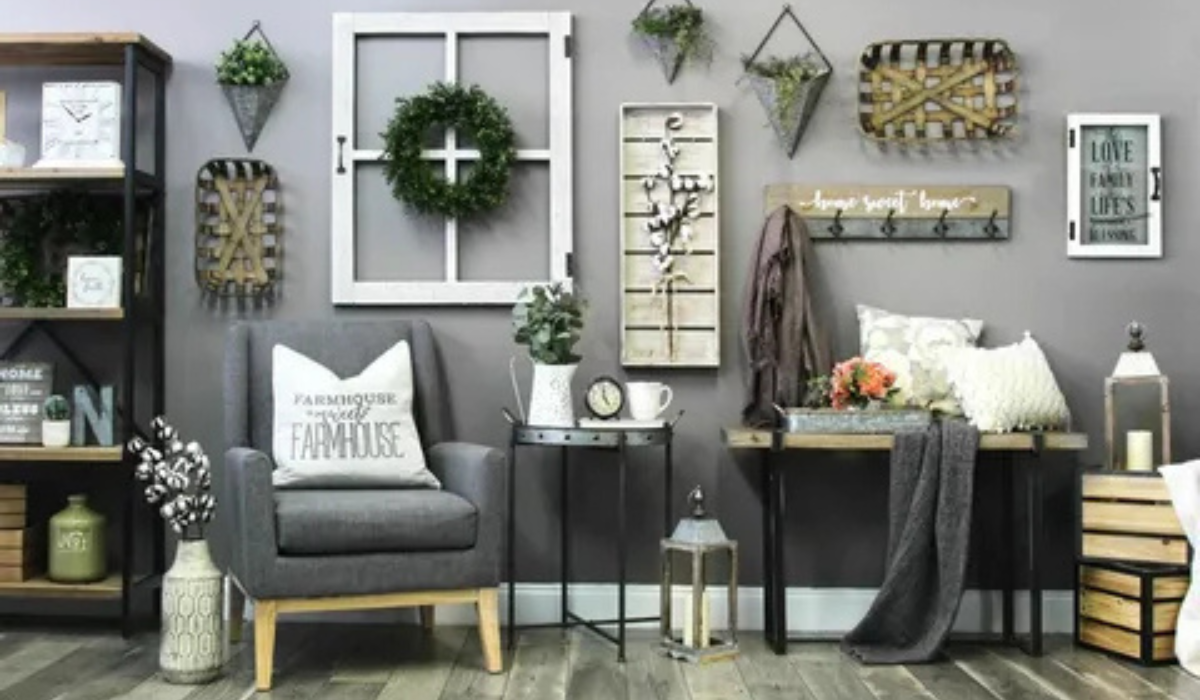
A room can be full of beautiful furniture and still feel messy, uncomfortable, or difficult to enjoy. The problem is not always a lack of space or money. Sometimes, there are simply too many things competing for attention.
The right minimalist home decor essentials can help you create a home that feels calm, welcoming, and practical without removing everything that makes it personal. You do not need an expensive designer sofa, an entirely white interior, or a perfectly empty coffee table to achieve this look.
The secret is to choose fewer items, give each one a purpose, and use color, texture, lighting, and space to bring everything together. In this guide, we will look at the essential items worth considering, how to use them in different rooms, and which common decorating mistakes to avoid.
If you want to create a stylish home without filling every corner with accessories, these modern home decor ideas can help you balance comfort, simplicity, and visual appeal.
What Are Minimalist Home Decor Essentials?
Minimalist home decor essentials are the furniture, lighting, textiles, storage solutions, and decorative accents that make a home functional and visually balanced without unnecessary clutter.
The idea is simple: keep what serves a purpose, adds comfort, or brings meaning to your space.
For example, a comfortable sofa, a useful floor lamp, a textured rug, and one meaningful piece of artwork may be enough to make a living room feel complete. Adding more accessories will not automatically make it look better.
Minimalism is also flexible. You can use warm wood, colorful artwork, patterned cushions, and family photographs while keeping the overall design simple.
A better approach is to build your room around everyday needs first and add decorative details only when they improve the space.
Pro tip: Before buying anything, identify what your room is missing. You may need better lighting or storage rather than another decorative object.
12 Minimalist Home Decor Essentials Worth Having
You do not need every item on this list. Think of these essentials as a starting point, then choose the ones that suit your room size, budget, and lifestyle.
1. A Functional, Comfortable Sofa
The sofa often becomes the main focal point of a living room, so it deserves careful attention. Choose a design that fits the available space, offers comfortable seating, and complements your existing furniture.
Simple silhouettes, clean lines, and neutral upholstery are popular choices because they are easy to coordinate with different decor styles. However, a neutral sofa is not compulsory. Muted green, navy, or another color you love can work just as well.
Look for durable upholstery, a practical seat depth, and a frame that feels sturdy. If your room is small, a compact sofa may be more useful than an oversized sectional.
Pro tip: Measure the room and the sofa before ordering. Leave enough space to walk around furniture comfortably rather than choosing a larger sofa simply because it looks impressive in a showroom.
2. A Neutral or Textured Area Rug
A rug can define a seating area, soften hard flooring, and introduce texture without adding visual clutter. It is especially useful in open-plan rooms where you want different areas to feel connected but distinct.
Cream, beige, gray, and earthy shades are easy starting points. A textured wool rug, a simple flatweave, or a natural-fiber option can add interest without relying on a bold pattern.
The important thing is proportion. A rug that is too small can make the furniture arrangement feel disconnected.
Pro tip: If possible, choose a rug large enough for the front legs of your main seating furniture to rest on it. Check the care requirements before buying, especially if you have children, pets, or a busy household.
3. Simple, Well-Proportioned Lighting
Lighting has a major effect on how a minimalist room feels. Even carefully selected furniture can look uninviting if the room depends entirely on harsh overhead lighting.
A practical lighting setup may include:
- A ceiling light for general illumination.
- A table or floor lamp for softer evening lighting.
- A task light for reading, working, or other specific activities.
Choose fixtures that suit the room rather than treating lighting as decoration alone. Simple metal finishes, fabric shades, and sculptural lamp bases can add character without making the space feel crowded.
Pro tip: Think about what you do in each area. A reading corner needs useful task lighting, while a dining area benefits from light that illuminates the table comfortably.
4. Natural Wood Furniture and Accents
Wood is one of the easiest ways to add warmth to a minimalist interior. Oak, walnut, ash, and other wood finishes can introduce natural grain and variation without requiring additional decoration.
Consider a simple coffee table, a wooden dining table, a bedside table, or a small tray. You do not need to replace every piece of furniture with matching wood.
In fact, combining a few complementary finishes can make a room feel more natural than buying an entire matching furniture set.
Pro tip: Choose one dominant wood tone and introduce other finishes carefully. If you already have wooden flooring or cabinets, use them as your starting point.
5. Soft Textiles for Comfort
Minimalist interiors can feel unfinished when every surface is hard, smooth, and visually similar. Textiles solve this problem by adding softness and subtle variation.
Useful options include linen curtains, cotton bedding, wool throws, textured cushion covers, and upholstered furniture. You can combine different materials while keeping their colors related.
For example, cream curtains, a beige sofa, and a textured off-white throw can create depth without introducing several competing colors.
You can also use darker cushions or a muted accent color if you prefer more contrast.
Pro tip: Mix textures before adding more colors. A linen cushion beside a wool throw can make a neutral room feel more interesting without changing the overall palette.
6. A Mirror That Serves a Purpose
Mirrors are useful in entryways, bedrooms, bathrooms, and smaller living areas. They reflect available light and allow you to check your appearance, while a simple frame can complement the rest of the decor.
A full-length mirror can be practical in a bedroom, while a round mirror may work well above an entryway console or bathroom vanity.
However, mirrors do not automatically make every room appear larger. Their effect depends on placement, reflected views, lighting, and the room’s layout.
Pro tip: Position a mirror where it reflects something pleasant, such as a window, a well-lit wall, or an attractive part of the room. Avoid placing it where it mainly reflects clutter.
7. One or Two Meaningful Decorative Objects
Minimalism does not mean removing every personal possession. A favorite ceramic vase, a handmade bowl, a family photograph, or a souvenir from a memorable trip can give a room character.
The key is to display these objects intentionally. Instead of spreading small decorations across every surface, group a few related items where they can be appreciated.
A single sculptural vase on a console may have more visual impact than a collection of unrelated ornaments.
Pro tip: Start with objects you already own. Remove anything that feels redundant, then arrange the remaining pieces with enough space around them.
8. Artwork With a Clear Visual Role
Artwork can add personality and color without requiring a room full of accessories. Minimalist interiors can accommodate abstract prints, photography, line drawings, landscapes, or artwork with strong colors.
Choose a piece that relates to the room’s palette or provides a deliberate contrast. The artwork does not have to match every cushion or furniture finish.
Scale matters, too. A tiny print may look lost above a large sofa, while an oversized piece can overwhelm a narrow wall.
Pro tip: Before hanging artwork, temporarily position it at the intended height and assess it from the main seating area. Consider the wall, furniture, and surrounding empty space together.
9. Practical Storage That Reduces Visible Clutter
Storage is one of the most useful minimalist home decor essentials because it supports the appearance you are trying to create.
Baskets, closed cabinets, drawer organizers, and simple shelving can help keep everyday belongings accessible without leaving everything on display.
The right solution depends on the items you need to store. Frequently used objects should remain convenient to reach, while things you rarely use can go into less accessible storage.
For more ways to keep your space tidy, explore our home organization tips to make everyday storage easier to manage.
Avoid buying storage containers before deciding what they need to hold. Otherwise, you may end up organizing things you do not actually need.
Pro tip: Identify the three surfaces that collect the most clutter in your home. Create a specific storage solution for each instead of trying to reorganize every room at once.
10. Greenery or a Simple Natural Arrangement
Plants can introduce organic shapes, color, and life into a restrained interior. A single well-placed plant may be enough to soften a corner or balance a furniture arrangement.
Choose a plant according to the light, temperature, and care you can realistically provide. If natural plants are unsuitable for your space, a branch in a vase or another natural decorative element can provide a similar visual effect.
Avoid adding plants simply to fill every empty corner. Open space remains an important part of the composition.
Pro tip: Select the location first, then choose a plant that suits its growing conditions. Check pet safety if animals live in your home.
11. A Simple Coffee Table or Side Table
Tables should support how you use a room. A coffee table provides a place for drinks, books, or everyday items, while a side table keeps essentials close to a sofa or chair.
Look for a shape and size that fit the seating arrangement. A round table can soften a room with many straight lines, while a rectangular table may work better with a longer sofa.
Materials such as wood, glass, or stone can all suit minimalist interiors. Choose according to maintenance, durability, and how the table will be used.
Pro tip: Keep the tabletop functional. A small tray can organize a few everyday objects, but leave enough room for the table’s main purpose.
12. Curtains That Complement the Room
Curtains influence light, privacy, and the overall appearance of a room. Simple designs in linen, cotton, or other suitable fabrics can work well with minimalist decor.
Warm white, cream, beige, and soft gray are versatile options, but the right choice depends on your wall color, flooring, and natural light.
Pay attention to practical details, including fabric weight, privacy needs, cleaning requirements, and whether the curtains should block light.
Pro tip: Measure your windows carefully and consider where the curtain rod will sit. Properly fitted curtains usually look more intentional than panels that are too short or too narrow.
How to Make Minimalist Home Decor Work in Every Room
The essentials above become more useful when you apply them to the way each room is actually used. You do not need the same decorating formula throughout the house.
Minimalist Living Room
Start with the main seating area. A comfortable sofa, a suitably sized rug, useful lighting, and a coffee table may provide most of what the room needs.
Add a few cushions or a throw for comfort, then select one focal point, such as artwork, a distinctive lamp, or a sculptural vase.
Keep walking paths clear and avoid placing furniture where it makes movement difficult.
Pro tip: View the room from the doorway. If one corner feels overloaded, move or remove an object before buying anything new.
Minimalist Bedroom
A bedroom should support rest and everyday routines. Start with a comfortable bed, suitable bedding, bedside lighting, and storage for clothing and personal belongings.
A platform bed or floating nightstand can work well, but neither is essential. Choose furniture that fits your room and makes daily tasks easier.
Before buying new furniture, consider your room layout, available space, and daily needs. These home interior design ideas can help you make choices that work together.
Keep the bedside area simple without removing things you genuinely use, such as a reading lamp, alarm clock, or book.
Pro tip: Give frequently used items a designated place. A clear bedside surface is easier to maintain when everything you need has a home.
Minimalist Kitchen
The kitchen needs to remain practical above all else. Keep the work surfaces as clear as your cooking routine allows, store frequently used utensils within reach, and organize cabinets so everyday items are easy to find.
Natural wood, simple hardware, and restrained color choices can complement minimalist styling. You do not need a full renovation to achieve the look.
Pro tip: Start by clearing one countertop and reorganizing the items you use most often. Small improvements can make the kitchen feel more orderly without replacing cabinets or appliances.
Minimalist Bathroom
Focus on clean surfaces, accessible toiletries, useful lighting, and storage that protects everyday essentials from unnecessary clutter.
A simple mirror, coordinated accessories, and a restrained color palette can create a consistent appearance. Durable, moisture-appropriate materials are more important than choosing a finish simply because it looks attractive.
Pro tip: Use a drawer organizer or a small storage basket for daily products. Keep essential items accessible and store occasional-use products separately.
Minimalist Entryway
An entryway often collects shoes, bags, keys, mail, and other items brought in from outside. A bench, wall hooks, a compact console, or a closed shoe cabinet may help control the mess.
Choose only the storage you need. A narrow entryway may benefit more from wall-mounted hooks than a large cabinet.
Pro tip: Create one designated place for keys and everyday belongings. A simple routine at the door can prevent clutter from spreading into the rest of the home.
Choosing a Minimalist Color Palette Without Making Your Home Feel Cold
White is not a requirement for minimalist home decor. The best palette is one that works with your lighting, materials, and personal preferences.
Three approaches are particularly useful:
- Warm neutrals: Cream, beige, taupe, and greige work well with natural wood and soft textiles.
- Cool neutrals: Soft gray, off-white, and charcoal can create a more restrained, contemporary appearance.
- Muted colors: Sage green, dusty blue, terracotta, or another carefully chosen accent can add personality without overwhelming the room.
You can also combine these approaches. A room with warm-white walls, walnut furniture, and muted green cushions can feel minimalist without looking plain.
The key is to repeat a small number of related colors instead of introducing a new shade in every corner.
If you need help combining shades, try our room colour palette generator to explore colors that complement your furniture, flooring, and minimalist style.
Pro tip: Choose your largest fixed elements first, such as flooring, cabinets, or a sofa. Build the remaining palette around them rather than buying accessories first and trying to make everything match afterward.
Common Minimalist Decorating Mistakes to Avoid
Even good furniture can look out of place when the overall arrangement is poorly considered. Watch for these common mistakes.
Buying Everything at Once
Replacing every item in one shopping trip can lead to unnecessary purchases and a room that feels overly coordinated.
A better approach: Make the most important improvements first, live with the arrangement, and add items only when you identify a genuine need.
Removing Too Much Personality
A room with no artwork, meaningful possessions, or contrasting textures can feel unfinished.
A better approach: Keep a few objects that matter to you and give them room to stand out.
Using Only One Texture
A room filled with smooth white surfaces may look flat even if it is tidy.
A better approach: Introduce natural wood, textured fabric, matte ceramics, or another material that adds subtle variation.
Choosing Appearance Over Comfort
A beautiful chair or sofa is not a good choice if you dislike sitting on it or it makes movement around the room difficult.
A better approach: Consider comfort, dimensions, durability, and everyday use before appearance alone.
Confusing Empty Space With Wasted Space
Not every wall needs artwork, and not every table needs decoration. However, essential furniture and practical storage should not be removed merely to create a sparse look.
A better approach: Keep open space where it improves movement and visual balance, while retaining everything necessary for daily life.
A Practical Example: Updating a Cluttered Living Room
Imagine a small living room with an oversized sofa, several mismatched ornaments, a crowded coffee table, and a dark corner that rarely gets used.
Instead of replacing everything, the homeowner starts by removing duplicate decorations and finding storage for items left on the coffee table. The existing sofa stays because it is comfortable and in good condition.
Next, the homeowner adds a floor lamp to improve the dark corner, rearranges the remaining furniture to create a clearer walking path, and introduces a textured throw using colors already present in the room.
Finally, one favorite photograph and a ceramic vase become the main decorative accents.
The result is a more organized, comfortable room without a complete renovation or an expensive furniture purchase.
This example illustrates an important principle: minimalist decorating often begins with better decisions about what you already own, not with buying new things.
Frequently Asked Questions About Minimalist Home Decor Essentials
Does minimalist home decor have to be white?
No. Minimalist interiors can use cream, beige, taupe, gray, sage green, navy, and other colors. The goal is to create a considered palette in which the colors work together rather than compete for attention.
How do you make a minimalist room feel cozy?
Layer different textures, such as linen, wool, wood, and soft upholstery. Add comfortable lighting, meaningful decor, and colors that suit your preferences. You can create a warm atmosphere without filling the room with accessories.
What are the most important minimalist home decor essentials?
Start with functional furniture, appropriate lighting, useful storage, comfortable textiles, and a restrained selection of decorative objects. The exact items depend on the room and your household’s needs.
Can you decorate a minimalist home on a budget?
Yes. Reuse furniture, rearrange existing accessories, declutter surfaces, and buy only what fills a genuine gap. Secondhand furniture and simple DIY improvements may also help, depending on their condition and cost.
For more affordable ways to refresh your space, explore our budget-friendly DIY home decor ideas for inspiration.
How do you keep a minimalist home from looking empty?
Use a mix of textures, suitable lighting, meaningful artwork, and a few personal objects. The aim is a balanced, functional room—not an interior with no character.
How often should you declutter minimalist decor?
There is no fixed schedule. Review crowded surfaces when clutter starts accumulating, return everyday objects to their designated places, and reassess decorations when your needs change. Small, regular adjustments are usually more manageable than occasional major clear-outs.
Final Thoughts
The best minimalist home decor essentials are not necessarily the most expensive or fashionable items. They are the pieces that make your home more comfortable, functional, and personal while keeping unnecessary clutter under control.
Start with the furniture and storage you need, then consider lighting, natural materials, textiles, and a few meaningful decorative accents. Work one room at a time, use what you already own where possible, and leave enough open space for each element to feel intentional.
Remember, minimalism is not about following a strict list of rules. It is about making thoughtful choices so your home works better for the people who live in it.
Absolutely love US Home Ideas! I’ve read so many of your articles, and they’ve genuinely helped me a lot. The ideas are practical, the content is easy to follow, and every article offers something useful. Keep up the fantastic work!