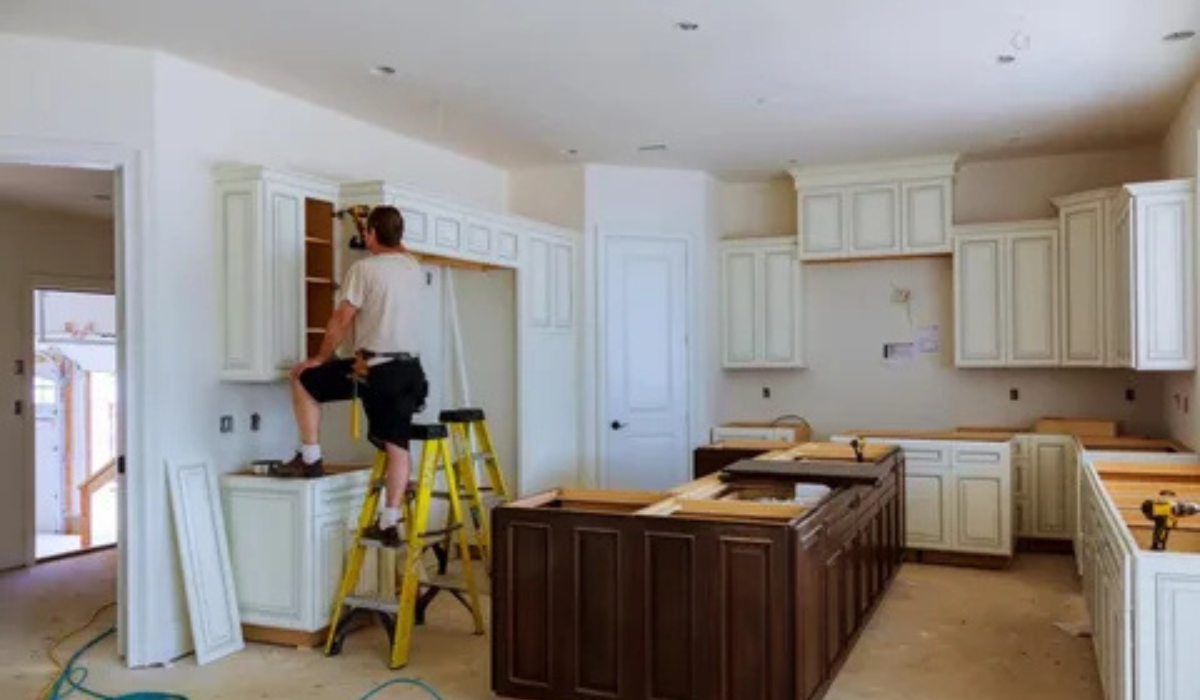
A kitchen can look outdated, feel crowded, and become difficult to work in without actually needing a complete renovation. Perhaps your cabinets are still strong, but their appearance makes the room feel old. Maybe you have plenty of storage but cannot find anything when cooking, or your countertops remain dark even during the day. These everyday problems can make a kitchen frustrating, even when the rest of your home looks beautiful.
The good news is that kitchen upgrading tips Mintpalment focus on making practical improvements without spending money on things you do not really need. You can improve your kitchen by refreshing cabinets, organizing storage, upgrading lighting, choosing better materials, and correcting layout problems. The smartest approach is to identify what needs attention first and then make improvements according to your available space and budget.
In this guide, we will look at 12 practical kitchen improvements, explain where your money can make the biggest difference, and discuss mistakes worth avoiding. Whether you have a small kitchen or a spacious cooking area, these ideas can help you create a cleaner, more comfortable, and functional space.
1. Start With a Kitchen Assessment Before Spending Money
Before buying new cabinets, countertops, or appliances, take time to understand what is actually wrong with your kitchen. Many homeowners start shopping because they want a fresh appearance, but they overlook problems that affect everyday use.
Walk through your kitchen and pay attention to the areas that cause frustration. Notice whether you have enough counter space, whether cabinet doors open properly, and whether your cooking area receives sufficient light. Also check for leaking faucets, damaged flooring, loose handles, and poorly organized drawers.
Divide your findings into three categories:
- Essential repairs: Leaking plumbing, damaged cabinets, faulty electrical components, and unsafe flooring.
- Functional improvements: Better storage, improved lighting, more accessible drawers, and convenient appliance placement.
- Appearance upgrades: New cabinet colors, decorative handles, backsplash designs, and attractive finishes.
This simple process helps you spend money in the right order. There is little value in installing an expensive backsplash when your kitchen still has poor lighting or damaged storage.
Pro tip: Cook a normal family meal before finalizing your renovation plan. Notice how often you move between the refrigerator, sink, stove, and preparation counter. This reveals problems that you might miss during a quick visual inspection.
2. Refresh Your Kitchen Cabinets Instead of Replacing Them
Cabinets cover a large portion of the kitchen, so their condition strongly influences the overall appearance. However, replacing every cabinet can consume a significant part of your renovation budget.
If your existing cabinet boxes are structurally sound, refreshing them may be a better decision. Start by cleaning the surfaces and checking for loose hinges, damaged edges, or doors that do not close properly.
Painting is one option for improving their appearance. Popular choices include:
- White for a clean and bright appearance.
- Cream for a softer, warmer atmosphere.
- Natural wood for texture and warmth.
- Sage green for a subtle color accent.
- Light gray for a simple, contemporary look.
Before painting, remove the hardware, clean the surfaces, sand where appropriate, and apply a suitable primer. Finish with paint designed for cabinetry rather than ordinary wall paint.
You can also replace outdated knobs with modern handles. Brushed nickel, matte black, and brushed gold are options worth considering.
Current design preferences also support the use of natural finishes. According to the 2026 Houzz U.S. Kitchen Trends Study, wood became the most popular cabinet choice among surveyed renovating homeowners, at 29%, slightly ahead of white at 28%. This shows that homeowners are not limited to traditional white kitchens when choosing an updated appearance.
Pro tip: Do not select cabinet paint based only on a small color sample. Test it on an inconspicuous section and observe how it looks under your kitchen’s natural and artificial lighting.
3. Improve Kitchen Lighting With Three Layers
Poor lighting can make even a beautifully designed kitchen difficult to use. A single ceiling fixture often leaves shadows underneath cabinets and around preparation areas.
A better approach is to combine three types of lighting.
Ambient lighting
Ambient lighting provides general illumination throughout the kitchen. Ceiling fixtures and recessed lights are common options. Choose a suitable brightness for the room’s size and layout.
Task lighting
Task lighting focuses on areas where you prepare food, wash dishes, and complete other kitchen activities. Under-cabinet LED strips are particularly useful because they illuminate countertops without taking up workspace.
Accent lighting
Accent lighting adds visual interest. Pendant lights above an island or dining counter can create a comfortable atmosphere while making the area feel more thoughtfully designed.
Natural daylight also deserves attention. Keep windows clean and avoid placing unnecessary objects in front of them.
Pro tip: Turn on your existing kitchen lights at night and stand where you normally prepare food. If your body creates shadows across the countertop, consider adding task lighting rather than simply installing a brighter central fixture.
4. Make Storage Work Better Without Expanding Your Kitchen
A crowded kitchen does not always need additional cabinets. Often, the available storage is poorly organized.
Start by removing broken utensils, duplicate appliances, and items you rarely use. Then arrange the remaining equipment according to how frequently you need it.
Consider these practical solutions:
- Pull-out shelves for deep base cabinets.
- Drawer dividers for cutlery and cooking utensils.
- Dedicated spice organizers.
- Vertical racks for baking trays.
- Pull-out waste and recycling bins.
- Wall-mounted hooks for frequently used tools.
- Deep drawers for pots, pans, and larger cookware.
The 2026 Houzz Kitchen Trends Study found that 94% of homeowners upgrading their cabinetry included specialty storage features. Popular examples included pull-out waste bins, tray storage, and spice organizers. This research highlights how important organized storage has become in kitchen renovations.
Pro tip: Store everyday items between comfortable reaching heights whenever possible. Keep frequently used plates, cooking utensils, and ingredients accessible instead of hiding them at the back of deep cabinets.
5. Choose Countertops According to Your Cooking Habits
Countertops experience constant use. They hold cooking equipment, food ingredients, cleaning products, and appliances. Therefore, choosing a surface based only on appearance can lead to disappointment.
Before purchasing anything, consider durability, maintenance, cost, and how you use your kitchen.
| Countertop material | Main advantage | Main consideration |
|---|---|---|
| Quartz | Consistent appearance and relatively easy maintenance | Avoid exposing it to excessive heat |
| Granite | Natural stone appearance and good heat resistance | Periodic sealing may be required |
| Laminate | Affordable and available in many designs | Can chip and is vulnerable to heat |
| Butcher block | Warm, natural appearance | Requires regular maintenance |
| Marble | Distinctive natural patterns | Can stain and scratch more easily |
Quartz is a practical option for homeowners who prefer a consistent appearance and relatively low maintenance. Granite may suit people who appreciate natural stone, while laminate can work well when the renovation budget is limited.
Butcher block adds warmth, especially when paired with neutral cabinets. However, it requires suitable care to maintain its condition.
Also consider the edges, sink cutouts, and countertop depth before ordering. Accurate measurements prevent expensive installation problems.
Pro tip: Take a sample of your preferred countertop material home before making a final decision. Compare it with your cabinet color, flooring, backsplash, and existing lighting.
6. Update Your Kitchen Backsplash for Protection and Style
A backsplash protects the wall behind the sink and cooking area from water splashes, grease, and everyday stains. It can also add character without requiring major changes to the kitchen.
Ceramic tiles remain a popular option because they come in different sizes, patterns, and finishes.
Some practical choices include:
- White subway tiles for a timeless appearance.
- Neutral ceramic tiles for a simple design.
- Patterned tiles for a decorative feature.
- Large-format slabs for fewer visible joints.
- Easy-to-clean surfaces around cooking and washing areas.
Houzz’s 2026 kitchen research found that tile remained the leading backsplash choice among surveyed homeowners, while slab backsplashes accounted for a growing share of selections. The study also identified engineered quartz as a popular slab material.
When selecting a backsplash, think about cleaning requirements as well as appearance. Highly detailed designs may look attractive initially but can require more attention when grease and food particles accumulate.
Pro tip: Use a backsplash that complements your countertop instead of competing with it. If your countertop already has a strong pattern, a simpler wall finish can create a more balanced result.
7. Improve Your Kitchen Layout and Work Triangle
A kitchen can contain expensive appliances and beautiful finishes but still feel uncomfortable when the layout is poorly planned.
The traditional kitchen work triangle connects three important areas:
- Refrigerator for food storage.
- Sink for cleaning and preparation.
- Cooking surface for preparing meals.
The National Kitchen & Bath Association (NKBA) provides useful planning recommendations for these areas. Its guidance recommends a combined work-triangle distance of no more than 26 feet, with each individual leg measuring between 4 and 9 feet.
It also recommends that no major traffic route should cross through the basic work triangle.
These measurements provide a useful starting point, although actual layouts should also consider room dimensions, accessibility, appliance specifications, and applicable local building requirements.
Before adding a kitchen island, measure the available walking space. If you have limited kitchen space, our guide to kitchenette layouts and small-space design ideas can help you explore more compact ways to arrange your cooking and storage areas. An island should provide useful preparation or storage space without making movement difficult.
Pro tip: Do not add an island simply because it looks attractive in kitchen photographs. A well-organized L-shaped or U-shaped kitchen can be more practical than a crowded kitchen with an island.
8. Upgrade Appliances When They Actually Need Attention
New appliances can improve convenience, but replacing everything at once is rarely necessary.
Start with equipment that is unreliable, damaged, or unsuitable for your household’s needs. A refrigerator that no longer maintains the correct temperature deserves attention before a perfectly functional oven is replaced for appearance alone.
When choosing replacement appliances, compare:
- Energy-efficiency information.
- Available dimensions.
- Installation requirements.
- Maintenance needs.
- Warranty coverage.
- Expected household usage.
Look for recognized energy-efficiency labels, such as ENERGY STAR where applicable, and compare estimated energy consumption rather than relying entirely on marketing claims.
Also measure the entrance and kitchen opening before ordering a refrigerator or dishwasher. An appliance that fits its intended position may still be difficult to bring into the house.
Pro tip: Check the installation instructions before purchasing. Some appliances require specific electrical connections, water supplies, ventilation, or additional clearance.
9. Improve Your Faucet, Sink, and Everyday Fixtures
Small fixtures may not cover much visual space, but they influence how comfortably you use your kitchen.
A leaking faucet, difficult handle, or poorly functioning sink can make everyday cleaning unnecessarily frustrating.
Consider practical improvements such as:
- A pull-down spray faucet for easier rinsing.
- A single-lever faucet for convenient temperature adjustment.
- A sink with sufficient space for washing larger cookware.
- A compatible faucet aerator to help reduce water use.
- New cabinet hinges and drawer slides.
- Suitable organizers beneath the sink.
If you also want to improve the quality of your drinking water, explore our guide to the best under-sink water filters for your kitchen.
Before purchasing a faucet, check the number of mounting holes and the available space around the sink. Confirm that the replacement is compatible with your existing plumbing.
Pro tip: Pay attention to the sink area before choosing a new faucet. A stylish fixture is not particularly useful if its spray direction causes water to splash across the countertop.
10. Select Kitchen Flooring That Handles Daily Use
Kitchen floors deal with regular foot traffic, spills, dropped utensils, and frequent cleaning. A material that looks attractive in a showroom may not be suitable for your household.
Some common flooring options include:
Porcelain tile: Durable, water-resistant, and relatively easy to clean. However, it can feel hard and cold underfoot.
Luxury vinyl plank: Offers a softer feel than many tile surfaces and comes in different wood-look designs. Check the manufacturer’s water-resistance and installation specifications.
Hardwood: Creates a warm, natural appearance but needs appropriate protection and maintenance around sinks and dishwashers.
When comparing materials, consider slip resistance, cleaning requirements, durability, and installation costs.
You should also inspect the existing floor before replacing it. Minor surface dirt does not always justify a complete flooring project.
Pro tip: Request a sample of your preferred flooring and compare it with the kitchen cabinets. A small sample can help you avoid choosing colors that clash once the entire floor is installed.
11. Make Your Kitchen More Sustainable and Easier to Maintain
A practical kitchen should remain convenient after the renovation is complete. Choosing durable materials and developing simple cleaning habits can help maintain its condition.
Start with manageable improvements:
- Use reusable food-storage containers.
- Store ingredients in suitable sealed containers.
- Keep frequently used food items visible.
- Clean spills before they become difficult to remove.
- Maintain refrigerator organization to reduce forgotten food.
- Use washable cleaning cloths.
- Repair suitable fixtures instead of replacing them unnecessarily.
- Consider compatible water-saving fittings.
Ventilation is another important part of kitchen maintenance. Cooking produces moisture, grease, odors, and airborne particles. A properly selected and maintained range hood can help remove cooking pollutants.
Where possible, choose a hood that exhausts outdoors and follow the manufacturer’s installation and maintenance instructions. Recirculating models require appropriate filters and regular replacement or cleaning.
Pro tip: Make a short cleaning routine after cooking. Wipe the countertop, clean visible splashes, wash used utensils, and return ingredients to their proper storage areas. These small habits prevent clutter from building up.
12. Set a Realistic Budget and Decide Which Work Needs a Professional
The best kitchen upgrade is not necessarily the most expensive one. It is the improvement that solves a genuine problem without creating unnecessary costs.
Start by dividing your budget into essential repairs, functional upgrades, and optional design improvements. For more ways to prioritize home improvements and plan upgrades according to your budget, explore our guide to 25 home renovation ideas to upgrade your space on any budget.
For perspective, the 2025 Zonda Cost vs. Value Report estimated that a minor kitchen remodel in the United States cost an average of $28,458 and had an estimated resale value of $32,141, representing a 112.9% cost recoup.
However, this figure relates to a defined remodeling project, not every individual kitchen improvement. It is also a U.S. national estimate, not a guaranteed return for every homeowner.
The 2026 Houzz study reported median U.S. spending of $20,000 for minor kitchen remodels and $55,000 for major remodels. These figures use different survey methods and project definitions from Zonda, so they should not be treated as directly interchangeable.
For your own project, obtain local quotations and account for materials, delivery, installation, and unexpected repairs.
What Can You Do Yourself?
Some smaller improvements may be suitable DIY projects when you have the necessary skills and follow product instructions.
Examples include:
- Organizing cabinets and drawers.
- Replacing cabinet knobs and handles.
- Cleaning and maintaining surfaces.
- Painting suitable cabinet surfaces.
- Installing compatible storage organizers.
When Should You Hire a Professional?
Get qualified professional help for work involving:
- Gas connections.
- New electrical circuits.
- Major plumbing changes.
- Structural alterations.
- Countertop fabrication and installation.
- Significant ventilation modifications.
Pro tip: Request detailed quotations rather than comparing contractors by the final price alone. Check whether each quote includes materials, installation, disposal, finishing, and any necessary additional work.
A Practical Example: Upgrading a Kitchen Without Replacing Everything
Imagine a homeowner with an older kitchen that has strong cabinet boxes, a stained backsplash, limited drawer organization, and poor lighting.
Instead of immediately purchasing new cabinets and appliances, the homeowner first identifies the biggest problems.
The project begins with cleaning and repainting the cabinets, replacing outdated handles, and repairing a few sticking drawers. Next, under-cabinet lighting improves visibility around the preparation counter. Drawer dividers and pull-out organizers make existing storage easier to use.
The homeowner then replaces the damaged backsplash and considers a new countertop only after checking its condition and the remaining budget.
The result is a more organized, comfortable kitchen without automatically committing to a complete renovation.
The important lesson is simple: You do not have to replace everything to make meaningful improvements. A carefully planned sequence can deliver more useful results than purchasing expensive finishes without addressing everyday problems.
Common Kitchen Upgrading Mistakes to Avoid
Even a reasonable budget can disappear when improvements are poorly planned. Watch out for these common mistakes:
- Buying before measuring: Incorrect appliance and cabinet dimensions can create expensive installation problems.
- Replacing functional cabinets: Strong cabinet boxes may only need cleaning, painting, or new hardware.
- Ignoring lighting: Attractive finishes cannot compensate for poorly illuminated work areas.
- Overcrowding countertops: Too many decorative objects reduce valuable preparation space.
- Choosing materials only for appearance: Maintenance and durability matter just as much.
- Adding an unsuitable island: A poorly positioned island can restrict movement.
- Ignoring ventilation: Cooking moisture and grease need appropriate ventilation.
- Spending the entire budget on finishes: Keep money available for essential repairs and unexpected issues.
Frequently Asked Questions
1. What are the best kitchen upgrading tips Mintpalment for beginners?
Start with cabinet cleaning, better storage, improved lighting, and replacing outdated hardware. These improvements can make a kitchen more comfortable without requiring a complete renovation.
2. How can I upgrade my kitchen on a limited budget?
Focus on repairs and smaller improvements first. Repaint suitable cabinets, organize drawers, improve lighting, replace worn handles, and remove unnecessary countertop items. Plan expensive changes for a later stage.
3. Is painting kitchen cabinets better than replacing them?
Painting can be a practical alternative when cabinet boxes are structurally sound and the existing layout works. Replacement becomes more reasonable when cabinets have serious water damage, structural problems, or unsuitable dimensions.
4. Which countertop material is easiest to maintain?
Quartz is a popular option because it generally requires less maintenance than natural stone surfaces such as granite. However, it still needs suitable cleaning and protection from excessive heat.
5. How can I make a small kitchen more functional?
Use vertical storage, drawer organizers, pull-out shelves, and appropriate lighting. Remove rarely used equipment from countertops and maintain clear walking paths.
6. What should I upgrade first in my kitchen?
Start with safety and essential repairs, followed by lighting, storage, and cabinet improvements. Replace countertops, flooring, and appliances according to their condition and your budget.
7. Do I need a complete kitchen renovation to improve its appearance?
No. Cabinet painting, updated hardware, improved lighting, a new backsplash, and better organization can make a noticeable difference without changing the entire kitchen.
Final Thoughts
Good kitchen upgrading tips Mintpalment are not about purchasing the newest appliances or following every design trend. They are about making thoughtful decisions that improve how your kitchen looks, feels, and functions.
Start by identifying your biggest problems, then prioritize cabinet improvements, lighting, storage, and suitable materials. Pay attention to the kitchen layout, choose appliances according to actual needs, and maintain the space with simple daily habits.
Most importantly, avoid spending money on changes that do not solve a real problem. A functional kitchen with organized storage, good lighting, durable surfaces, and comfortable movement will serve your household better than an expensive kitchen that only looks attractive in photographs.
Plan carefully, upgrade gradually, and make every improvement count.