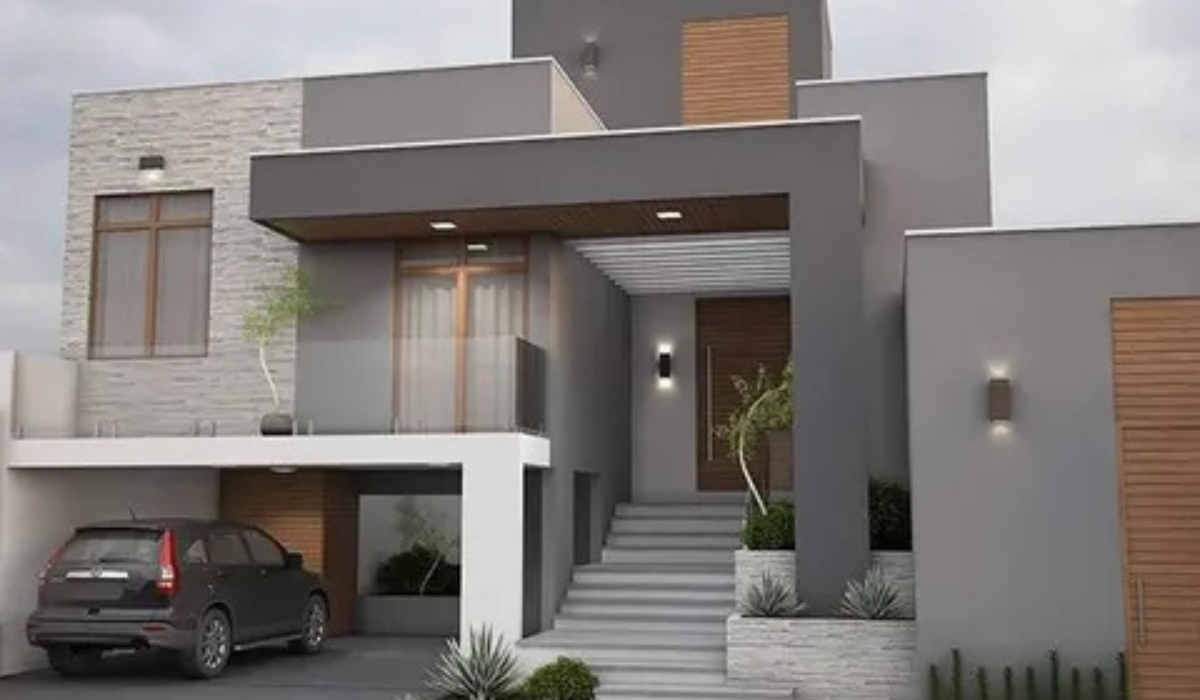
Your home’s exterior creates an impression long before anyone steps inside. A faded front door, outdated siding, an untidy garden, or poorly placed outdoor lights can make an otherwise beautiful property look neglected. The frustrating part? You don’t always need an expensive renovation to fix these problems.
The real challenge is knowing where to start. Should you repaint the exterior, replace the old siding, improve the landscaping, or invest in better lighting? Making changes without a clear plan can waste money and leave your home looking like a collection of unrelated upgrades.
That’s where Exterior Design DrHomey offers a useful approach. It brings architecture, exterior materials, color combinations, landscaping, lighting, and outdoor living together instead of treating them as separate projects.
The idea is straightforward: understand your home’s existing design, identify what needs improvement, and make choices that balance appearance with everyday practicality. Whether you own a traditional American home, a modern two-story property, or a small cottage, you can use these principles to create an exterior that feels welcoming, lasts longer, and suits your lifestyle.
Let’s look at how to put that approach into practice.
1. Start With Your Home’s Architecture Before Making Changes
One mistake homeowners make is choosing exterior upgrades because they look attractive in someone else’s home. A beautiful modern front door, for example, might look completely out of place on a traditional Craftsman house.
Your home’s architecture should guide your decisions.
Different architectural styles have their own defining features:
- Craftsman homes: Often feature wide porches, tapered columns, natural materials, and exposed structural details.
- Modern homes: Usually emphasize clean lines, simple shapes, large windows, and restrained decoration.
- Farmhouse homes: Often combine board-and-batten siding, welcoming porches, simple trim, and natural textures.
- Colonial homes: Commonly use symmetrical windows, balanced entrances, and traditional proportions.
- Mid-century modern homes: Often connect indoor and outdoor spaces through large windows, horizontal lines, and simple forms.
You don’t need to become an architecture expert to recognize your home’s style. Walk around the property, photograph the front, sides, and back, and identify the features that make the building distinctive.
Next, separate improvements into three categories:
- Features worth preserving, such as attractive brickwork or original columns.
- Areas that need maintenance, such as peeling paint, damaged trim, or overgrown shrubs.
- Features that could benefit from an upgrade, such as outdated lighting or an unattractive entrance.
Pro tip: Before purchasing anything, identify one architectural feature you want to highlight. It might be the front entrance, a large window, a stone facade, or a distinctive roofline. Let that feature influence your other design decisions.
For example, imagine a homeowner with a traditional brick house who wants a more modern appearance. Instead of covering the brick with new siding, they could repaint the front door, update the porch lights, improve the landscaping, and introduce simple dark-colored accents. The original character remains, but the entire property feels more considered.
2. Choose Exterior Materials That Match Your Climate and Maintenance Needs
Exterior materials affect much more than appearance. They influence how well your home handles rain, moisture, sunlight, temperature changes, insects, and everyday wear.
A material that performs well in one location might require more maintenance in another. That’s why you should compare durability, installation requirements, appearance, and long-term care before making a decision.
Here are some common options.
Fiber Cement Siding
Fiber cement siding is a popular option for homeowners who want the appearance of traditional siding with different durability characteristics.
Depending on the product and installation, it can offer resistance to moisture, insects, and fire. It is available in several finishes, including smooth panels and wood-like textures.
It can work well on traditional, farmhouse, and contemporary homes.
However, don’t assume every fiber cement product is maintenance-free. Follow the manufacturer’s requirements for painting, joint treatment, clearances, and installation.
Brick and Natural Stone
Brick remains a familiar exterior choice because of its strength, texture, and traditional appearance. It can work beautifully across colonial, farmhouse, and contemporary designs.
Natural stone offers a different visual quality. It adds texture and can make an entrance, foundation, or exterior wall feel more substantial.
Manufactured stone veneer is another option when you want a stone-like appearance without using full natural stone. However, its installation and moisture-management requirements still matter.
Wood and Composite Materials
Natural wood siding and accents create warmth that many manufactured finishes cannot fully reproduce. Wood works particularly well around porches, entrances, and selected architectural details.
The trade-off is maintenance. Depending on the wood species, exposure, and finish, you may need regular sealing, staining, or repainting.
Composite materials can offer an alternative, but their performance depends on the particular product.
Concrete and Exterior Pavers
Concrete is useful for driveways, walkways, patios, and other hardscape areas. Large-format concrete or porcelain pavers can create a clean, organized appearance.
When selecting pavers, consider drainage, slip resistance, installation quality, and the conditions in which they will be used.
Pro tip: Don’t choose materials based on appearance alone. Ask how they handle water, how they should be installed, and what maintenance they require after five or ten years.
A useful technical detail is that siding should not be treated as a completely waterproof wall system. Proper flashing, drainage behind the cladding, and correctly installed water-resistive barriers help protect the more vulnerable layers of your home.
3. Create an Exterior Color Palette That Feels Balanced
Color can change the entire personality of a house. However, choosing several attractive colors individually doesn’t guarantee that they will look good together.
A better approach is to create a coordinated palette. Before finalizing your exterior shades, you can experiment with complementary combinations using our room colour palette generator, then test suitable paint samples on your home’s actual exterior surfaces.
Start with three color roles:
- Primary color: Covers most of the exterior, such as siding or stucco.
- Secondary color: Used for trim, window frames, columns, and other architectural details.
- Accent color: Adds character to the front door, shutters, or selected decorative features.
This structure makes color selection easier and prevents the exterior from looking overcrowded.
Try Warm Neutral Combinations
Cream, warm white, beige, sandy tones, and greige can work well with brick, stone, and natural wood.
For example, warm-white siding with beige stone accents and dark bronze window frames creates contrast without introducing too many competing colors.
Use Dark Colors as Accents
Dark navy, charcoal, forest green, and black can make a front entrance stand out.
You don’t necessarily need to paint an entire house dark to create a dramatic appearance. Sometimes a darker front door, window trim, or porch railing is enough.
Understand Warm and Cool Undertones
Two shades of white can look surprisingly different next to each other. One might have a warm yellow undertone, while another appears cooler or slightly blue.
The same issue occurs with gray, beige, and green.
If you combine finishes without checking their undertones, the exterior can feel disconnected even when the individual colors look attractive.
A monochromatic palette can also work beautifully. Instead of using one shade everywhere, combine several related tones. Soft white siding, greige trim, and beige stone can create subtle depth while maintaining a consistent appearance.
Pro tip: Never finalize exterior paint based only on a small store sample. Paint larger test patches directly onto the house and observe them in morning sunlight, afternoon light, and shade. Also check how the colors look next to your roof, brickwork, and landscaping.
4. Use Landscaping to Give Your Exterior Structure and Depth
A beautiful house can still look unfinished when the surrounding landscaping is neglected. On the other hand, adding too many plants without a layout can make the front yard look crowded.
The solution is to think of landscaping as part of the architecture rather than simple decoration.
Build Landscaping in Layers
A practical layered approach includes:
- Background layer: Trees, tall shrubs, or larger plants that establish height and structure.
- Middle layer: Medium-sized shrubs, ornamental grasses, and flowering plants.
- Foreground layer: Low-growing plants, ground covers, mulch, and decorative edging.
This arrangement creates depth and helps different plants work together.
You don’t have to fill every available space. Leave enough room for plants to grow without covering windows, blocking walkways, or hiding attractive architectural details.
Choose Plants According to Your Region
Native and regionally appropriate plants can be a sensible choice because they are adapted to local conditions. If you also want to make your property more environmentally responsible, explore our guide to eco-friendly houses for practical ideas about climate-appropriate landscaping, water efficiency, and sustainable building materials.
However, native doesn’t automatically mean maintenance-free. Plants still need suitable sunlight, soil, drainage, and establishment care.
The U.S. Environmental Protection Agency recommends considering local climate, soil, sun exposure, and water requirements when planning a water-efficient landscape.
Preserving healthy existing trees and shrubs can also save effort and help maintain the character of your property.
Give Your Front Entrance More Attention
The front walkway connects the street to the house, so its condition affects the overall appearance.
Consider:
- A clearly defined walkway.
- Low plants along the path.
- Simple stone or concrete edging.
- Well-maintained foundation planting.
- Attractive planters near the entrance.
- Adequate space for visitors to approach the door comfortably.
Pro tip: Before buying new plants, draw a simple layout of your yard. Mark existing trees, sunny areas, shaded areas, and drainage problems. Then select plants that suit those conditions.
This small planning step can prevent the common mistake of purchasing plants that look attractive at the nursery but struggle once planted.
5. Improve Exterior Lighting Without Making Your Home Look Overlit
Exterior lighting is often treated as a final decorative detail. If your existing fixtures are flickering, dim, or no longer working properly, our guide to outdoor lighting repair explains how to identify common problems and understand when professional help is needed. I would approach it much earlier because lighting affects how people use and experience the property after sunset.
A well-lit entrance is easier to approach, pathways are easier to navigate, and selected architectural features become visible at night.
The key is using different lighting layers.
Ambient Lighting
Ambient lighting provides general illumination around outdoor areas.
Wall-mounted lights, porch fixtures, and appropriately positioned outdoor lights can help establish a comfortable level of brightness.
Task Lighting
Task lighting serves a specific purpose.
Useful locations include:
- Front entrances.
- Exterior steps.
- Garage entrances.
- Outdoor cooking areas.
- Frequently used walkways.
Accent Lighting
Accent lighting highlights selected features rather than illuminating everything equally.
You might use it to highlight a stone wall, an attractive tree, a garden feature, or an architectural detail.
Choose the Right Light Temperature
Warm-white lighting around 2700K–3000K is a useful starting point for many residential outdoor spaces.
It creates a softer appearance than cooler, bluish-white lighting and can complement brick, stone, and wood.
Also consider the direction and intensity of the fixture. Shielded lights aimed toward the intended surface can reduce glare and unnecessary light spilling into neighboring yards or the night sky.
Pro tip: Don’t install a bright floodlight simply because you want your property to feel safer. Use appropriate illumination at entrances and steps, then add restrained accent lighting where it contributes to the design.
6. Design Outdoor Spaces Around How You Actually Live
A patio can look beautiful in photographs but remain unused if it has no shade, uncomfortable furniture, or enough room to move around.
That’s why function should come before decoration.
Start by deciding what you want the space to do.
Outdoor Dining Areas
If you regularly eat outside, create a level surface with enough room for a table, chairs, and comfortable movement.
Keep the dining area close enough to the kitchen or back entrance to make carrying food convenient.
Relaxation and Seating Areas
A lounge area needs comfortable weather-resistant furniture, suitable shade, and a layout that encourages conversation.
Teak, powder-coated aluminum, and high-density polyethylene resin are options worth comparing for outdoor furniture. Each has different costs, appearances, and care requirements.
Pergolas and Covered Spaces
A pergola can define an outdoor seating area and provide partial shade. A covered porch offers more protection from sun and rain.
Think about the direction of the sun, prevailing weather, and how much coverage you actually need before choosing between them.
Add Privacy Without Closing Everything Off
Privacy hedges, screens, fences, and strategically placed planters can help define an outdoor room.
You don’t need to surround the entire patio with tall barriers. Sometimes a partial screen beside the seating area provides enough separation.
Pro tip: Measure your outdoor furniture before purchasing it. Leave enough room to pull out chairs, walk around the table, and open nearby doors. A well-planned small patio is usually more enjoyable than a larger space filled with oversized furniture.
7. Connect Your Interior and Exterior Design
One of the easiest ways to make a home feel cohesive is to create a visual connection between indoor and outdoor spaces.
This doesn’t mean your living room and patio need identical colors or furniture. Instead, repeat a few complementary materials, tones, or textures.
For example:
- If your interior uses natural wood, consider a similar wood tone around the porch.
- If your living room features warm neutral colors, choose outdoor cushions in related shades.
- If your home has stone details inside, consider using a complementary stone finish outside.
- Large glass doors can create a stronger visual connection between the patio and interior living area.
Think about what someone sees when standing inside and looking toward the garden. A coordinated view can make the entire property feel more thoughtfully designed.
Pro tip: Choose two or three recurring elements rather than trying to match everything. Similar wood tones, complementary neutral colors, and consistent metal finishes are often enough.
8. Affordable Exterior Improvements That Make a Noticeable Difference
You don’t need to replace every exterior feature to improve curb appeal. If you’re planning several improvements and want more ideas for prioritizing upgrades without overspending, explore these home renovation ideas for practical projects and budget-conscious planning. In fact, some of the most useful upgrades are relatively small.
If your budget is limited, prioritize improvements according to visibility, condition, and practical importance.
Here are some ideas:
| Improvement | Why it matters |
|---|---|
| Repaint the front door | Creates a stronger focal point. |
| Clean exterior walls | Removes visible dirt and buildup. |
| Update porch lights | Improves appearance and nighttime visibility. |
| Maintain the front garden | Makes the property look cared for. |
| Replace damaged house numbers | Improves identification and appearance. |
| Add simple planters | Introduces color and greenery. |
| Refresh the walkway | Makes the entrance feel more organized. |
| Repaint selected trim | Improves contrast and consistency. |
Follow a Simple Upgrade Sequence
If you’re unsure where to begin, use this order:
- Maintenance first: Address damaged siding, peeling paint, blocked gutters, and drainage issues.
- Entrance second: Clean the porch, improve the front door, and update visible hardware.
- Landscaping third: Trim overgrown plants and organize the garden.
- Lighting fourth: Replace outdated or poorly positioned fixtures.
- Decorative upgrades last: Add planters, outdoor furniture, and finishing touches.
This approach prevents you from spending money on decoration while important maintenance problems remain unresolved.
9. Common Exterior Design Mistakes You Should Avoid
Even expensive materials and attractive colors cannot compensate for poor planning.
Here are some mistakes worth avoiding:
Using too many colors: Too many unrelated shades can make the exterior look busy. Establish a primary, secondary, and accent color instead.
Ignoring architectural style: A modern design feature might not complement a traditional property. Adapt upgrades to the home’s existing character.
Choosing materials without checking installation requirements: Even durable siding can fail when flashing, drainage, clearances, or fastening are handled incorrectly.
Overcrowding the landscaping: Plants need room to grow. Avoid blocking windows, walkways, and entrances.
Installing excessive lighting: More brightness does not automatically create a better outdoor environment. Prioritize visibility, appropriate placement, and controlled illumination.
Buying furniture before measuring: Oversized furniture can make a patio difficult to use.
Following trends blindly: A design that looks fashionable today may not suit your home or maintenance preferences. Prioritize materials and finishes you can live with for years.
10. A Simple Real-World Example: Updating a Tired Home Exterior
Imagine a homeowner with a two-story suburban house. The siding is faded, the front entrance looks plain, the shrubs have grown too large, and the porch lights are outdated.
Their first thought might be to replace all the siding and redesign the entire front yard.
But is that really necessary?
A more practical approach would begin with a property assessment.
First, they inspect the siding and identify whether it needs cleaning, repainting, repair, or replacement. Next, they choose a coordinated exterior palette, perhaps warm-white siding with charcoal trim and a dark green front door.
They then remove or relocate overgrown shrubs, add appropriately sized plants, and create a clearer walkway. Finally, they replace the old porch fixtures with warm-white lighting and introduce a simple seating arrangement.
The house hasn’t necessarily undergone a major renovation. Yet the entrance looks more welcoming, the landscaping feels organized, and the exterior has a consistent design direction.
That’s the value of planning each improvement rather than purchasing upgrades individually.
Final Thoughts: Give Your Home’s Exterior a Clear Direction
Good exterior design isn’t about purchasing the most expensive siding, following every new color trend, or filling the garden with decorative features. It’s about making thoughtful choices that work together.
The Exterior Design DrHomey approach offers a useful framework: understand your home’s architecture, select materials suited to your climate, create a balanced color palette, organize the landscaping, and use lighting and outdoor furniture to improve everyday comfort.
If you’re working with a limited budget, begin with the areas people notice most, especially the front entrance, visible exterior walls, and landscaping. Address maintenance problems before investing in decoration.
Most importantly, remember that your home’s exterior should work for the people living inside it. A beautiful entrance, a practical patio, durable materials, and a manageable garden will provide more lasting satisfaction than upgrades chosen only for appearance.
You don’t have to change everything at once. Start with a clear plan, make improvements in the right order, and let each decision support the next.