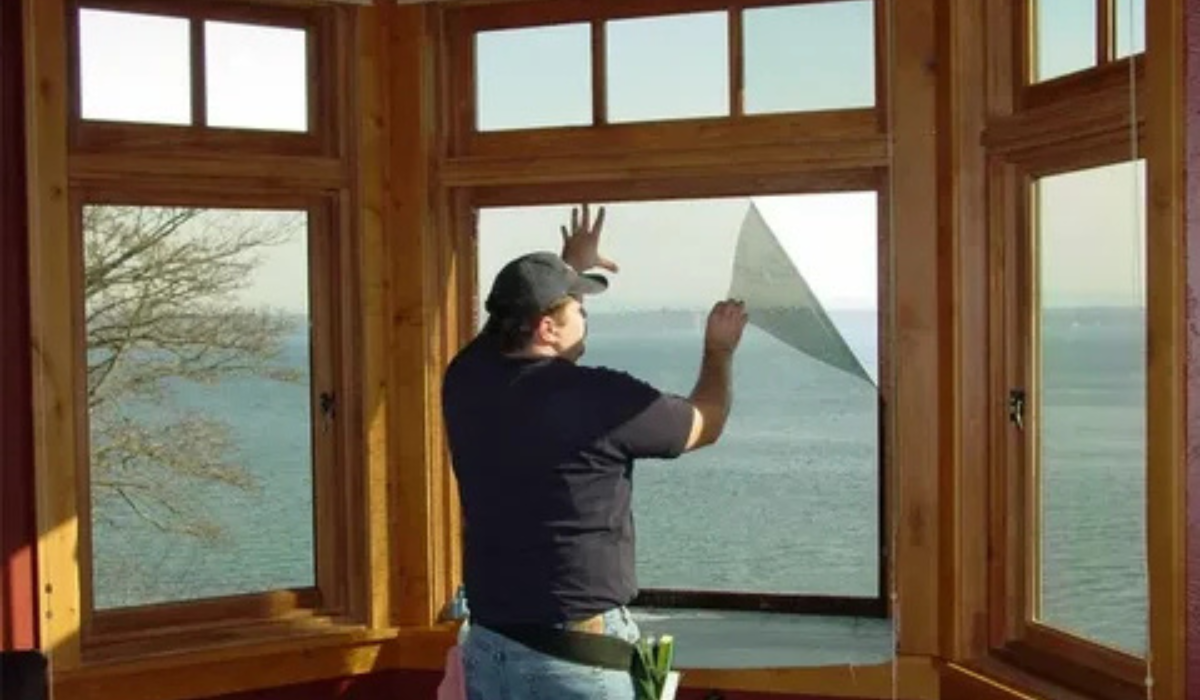
Have you ever sat in your living room on a sunny afternoon and felt the heat coming straight through the windows? Perhaps your television screen is difficult to see because of glare, your favorite sofa is slowly fading, or neighbors can see inside whenever your curtains are open.
These are common problems, but replacing every window in your home can be expensive and disruptive. Home window tinting offers another option: improving the performance of your existing glass with a specially designed window film.
The right film can reduce solar heat gain, control glare, block much of the sun’s ultraviolet radiation, and improve privacy. However, not every film delivers every benefit, and some choices can create problems if they are poorly matched to your windows.
In this guide, we’ll look at how residential window tinting works, which types are worth considering, what it costs, and the mistakes you should avoid before investing in it.
What Is Home Window Tinting?
Home window tinting involves applying a thin film to existing window glass. Unlike replacement windows, which require removing the original glazing, window film upgrades certain properties of the glass without changing the window frame.
Most residential films use polyester layers combined with adhesives, dyes, metallic coatings, ceramic materials, or other optical technologies. Their performance depends on the materials and design used.
Depending on the product, window tinting can help you:
- Reduce unwanted solar heat entering rooms.
- Minimize glare on televisions, computers, and other screens.
- Block ultraviolet (UV) radiation that contributes to fading.
- Improve privacy during the day or around the clock.
- Hold broken glass together when using a suitable safety or security film.
- Change the appearance of windows without replacing the glass.
The important distinction is that window tinting is not one product with one set of benefits. A film designed for privacy may perform differently from one designed to control heat, and a security film is not automatically a solar-control film.
Before choosing a product, identify the problem you want to solve. That simple step can prevent you from paying for features you don’t need—or discovering that your new tint doesn’t solve your original problem.
The Main Benefits of Home Window Tinting
1. Reduce Solar Heat and Improve Comfort
Sunlight entering through windows can increase indoor temperatures, especially in rooms with large glass surfaces or strong afternoon exposure. Solar-control window films are designed to reflect or absorb portions of incoming solar energy, reducing the amount of heat that passes into the room.
This can make sun-exposed spaces more comfortable and may reduce the workload on your air conditioner during hot weather.
Imagine a home office with a west-facing window. By late afternoon, the desk area becomes uncomfortable, and the computer screen is difficult to read. A properly selected solar-control film may reduce both heat gain and glare without requiring the homeowner to keep the curtains closed all day.
The result depends on the existing glass, window orientation, film specifications, outdoor temperatures, and other factors. Window tinting also won’t fix unrelated problems such as poor roof insulation or air leaks.
Pro tip: Start with the windows responsible for the greatest discomfort. Tinting the hottest room first can be a more practical investment than treating every window at once.
2. Control Glare Without Losing Every View
Bright sunlight can make everyday activities frustrating. You might have to close blinds during video calls, move your television away from the window, or change your seating position to avoid reflections.
Solar-control films can reduce glare by limiting the visible light passing through the glass. Some products are darker, while others are engineered to reject solar energy while maintaining relatively high visible light transmission.
This brings us to an important measurement: visible light transmission, or VLT.
VLT describes the percentage of visible light that passes through the glazing system. A higher VLT generally means a brighter interior, while a lower VLT means less daylight enters.
If you want to control glare without making your living room gloomy, compare films by both their glare-reduction performance and VLT rather than choosing by appearance alone.
Pro tip: Request a sample of the film and examine it in the actual room. A shade that looks subtle in a showroom may appear much darker against your windows.
3. Protect Furniture, Flooring, and Artwork From UV Exposure
Sunlight can gradually fade rugs, upholstery, wooden flooring, photographs, and artwork. UV radiation contributes to this damage, although visible light and heat also play important roles.
Quality window films can block a substantial proportion of UV radiation. Some products advertise UV rejection of 99% or more, but the exact performance should be confirmed using the manufacturer’s specifications.
This protection can help slow fading, particularly around windows that receive strong direct sunlight. It does not guarantee that furniture will never fade, because other light wavelengths and environmental conditions can still affect materials.
Pro tip: If protecting expensive flooring or artwork is your main concern, ask for the film’s documented UV performance rather than assuming that a darker tint necessarily provides better protection.
4. Improve Privacy Without Relying Entirely on Curtains
Privacy is another major reason homeowners consider window film. However, the best choice depends on when you need privacy and whether you still want a clear view outside.
Reflective films can make windows appear mirror-like from the exterior during the day, provided outdoor light is brighter than indoor light. This can help limit visibility into street-facing rooms.
Frosted films work differently. They obscure clear views through the glass while allowing diffused light to enter. Decorative films offer similar screening with additional patterns or textures.
If you’re updating the look of your rooms at the same time, these budget-friendly DIY home decor ideas can help you coordinate your window treatments with the rest of your space.
There is one important limitation: reflective window tint does not guarantee nighttime privacy. When indoor lights are on and it is darker outside, people may be able to see into your home.
If privacy after dark matters, combine reflective film with curtains or blinds, or choose a suitable frosted or opaque film.
Pro tip: Think about privacy room by room. Reflective film may suit a daytime living area, while frosted film may be better for a bathroom or an entryway.
5. Add a Layer of Glass-Breakage Protection
Specialized safety and security films are designed to help hold glass fragments together if the glass breaks. Depending on the product and installation, they can reduce flying shards and make it harder for broken glass to fall apart immediately.
This may be useful for certain ground-floor windows, glazed doors, or other vulnerable areas.
However, ordinary decorative or solar-control tint should not be mistaken for a security upgrade. Even security film does not make standard glass unbreakable, and film alone may not prevent someone from forcing entry.
Pro tip: If security is your primary goal, ask whether the proposed film is specifically rated or designed for safety and security applications, and whether the installation includes the appropriate attachment system.
Types of Home Window Tint: Which One Is Right for You?
The best window film depends on the job you need it to do.
Solar-Control Film
Solar-control film reduces incoming solar energy and can help manage heat and glare. It is worth considering for sunrooms, large picture windows, and rooms that become uncomfortable during sunny afternoons.
These films come in different shades and finishes, including relatively clear options.
Ceramic Window Film
Ceramic films use specialized ceramic materials to influence how sunlight passes through the glass. Depending on the product, they can offer solar control while maintaining relatively high visible light transmission.
They may suit homeowners who want heat reduction without a strongly mirrored appearance. However, ceramic film is not automatically the best choice for every window. Compare its actual performance and cost with other suitable products.
Reflective or Mirrored Film
Reflective film creates a mirror-like appearance and can provide daytime privacy when outdoor light is stronger than indoor light.
Its main limitation is the changing privacy effect after dark. Highly reflective finishes may also be restricted by neighborhood rules or building requirements.
Frosted and Decorative Film
Frosted film obscures views while allowing light to pass through. Decorative options include patterned, textured, and geometric finishes.
These products are particularly useful for bathrooms, entry doors, and windows facing nearby homes. They are generally more suitable than reflective film when consistent visual privacy matters more than maintaining a clear view.
Safety and Security Film
Safety and security films are designed to help retain broken glass and may be thicker than standard solar-control products.
They should be selected according to the intended application, glass type, and manufacturer’s installation requirements. Do not assume that a film offering UV protection or heat rejection also provides meaningful security benefits.
Understanding Window Film Performance: SHGC, VLT, and TSER
Product specifications can seem technical, but three measurements make comparisons easier.
Solar Heat Gain Coefficient (SHGC) measures how much incident solar heat passes through the glazing system. A lower SHGC generally means less solar heat gain.
Visible Light Transmission (VLT) measures how much visible light passes through the glazing system. Higher VLT generally means more daylight indoors.
Total Solar Energy Rejected (TSER) describes the proportion of total incident solar energy rejected by the glazing system. Higher TSER generally indicates stronger solar-energy rejection.
These measurements answer different questions. A film with excellent infrared rejection does not necessarily have the highest total solar-energy rejection, and a dark-looking film is not automatically the best-performing option.
When comparing products, examine the complete specifications for the proposed film and glazing combination. Where possible, use data measured under comparable conditions.
The U.S. Department of Energy also explains that existing window technologies, including insulated glazing and low-emissivity coatings, affect heat transfer and solar gain. This is one reason film selection should account for the glass already installed in your home. (Source: U.S. Department of Energy)
The Drawbacks of Home Window Tinting
Although window film offers several advantages, it is not the right solution for every homeowner.
Reduced Natural Light
Some films noticeably reduce the amount of daylight entering a room. This can be inconvenient in smaller spaces, shaded rooms, or homes where natural light is already limited.
The solution is not necessarily to avoid tinting altogether. Instead, compare lighter solar-control films with higher VLT ratings.
Potential Glass Compatibility Problems
This is one of the most important considerations before installation.
Certain films can increase thermal stress in particular glazing systems, potentially contributing to glass breakage. The risk depends on factors such as glass construction, existing coatings, window condition, film properties, and installation conditions.
Double-pane and low-E windows deserve particular attention because their construction and coatings affect heat transfer.
Before applying film, check the window manufacturer’s guidance and ask the film manufacturer or a qualified installer to confirm compatibility. Do not assume that a product suitable for one window is suitable for every window in your home.
Maintenance and Removal
Window film requires reasonable care. Abrasive cleaning materials or unsuitable chemicals can damage certain film surfaces, and scratches may be difficult to repair.
Removal is possible with many products, but adhesive-backed films may leave residue or require professional attention, especially after long periods of exposure.
Follow the product’s instructions for curing, cleaning, and removal rather than relying on a universal maintenance schedule.
Appearance and Local Restrictions
Reflective films can change how a home looks from the street. Some homeowners appreciate the modern finish; others prefer a less noticeable appearance.
Local regulations, property agreements, or homeowner association rules may restrict particular finishes. Check applicable requirements before installation.
How Much Does Home Window Tinting Cost?
The cost depends on the film, total glass area, window accessibility, installation method, and local labor rates.
DIY film generally costs less upfront because you pay for materials rather than professional labor. Professional installation costs more but may offer cleaner edges, more reliable application, and access to manufacturer-backed warranties where available.
Premium ceramic or specialized solar-control films may cost more than basic options. Security films and difficult-to-access windows can also increase the total.
Rather than relying on a single online price, request an itemized estimate that includes:
If you’re comparing window tinting with other upgrades, explore our guide to affordable home renovation ideas before deciding where to spend your budget.
- The film brand and exact product.
- The number and size of windows being treated.
- Material and installation charges.
- Any old-film removal or additional preparation.
- Warranty coverage and exclusions.
- Any additional costs for difficult access.
Energy savings should also be treated realistically. A home with large, sun-exposed windows in a hot climate may benefit more than a shaded home in a cooler region. Savings depend on the existing windows, cooling system, weather, household habits, and film performance.
Pro tip: Ask an installer to explain the expected benefits for your particular windows. If the estimate promises a fixed percentage reduction in energy bills without considering your home, ask how that figure was calculated.
DIY or Professional Installation?
DIY installation can be reasonable for small, accessible windows when the product is intended for homeowner application and is compatible with the glass.
The general process involves cleaning the glass thoroughly, preparing the film according to its instructions, applying the recommended installation solution, positioning the film, and removing excess liquid with a suitable squeegee.
The challenge is achieving a clean, bubble-free finish without dust, creases, or damaged edges. Larger panes and complicated window shapes can be especially difficult.
Professional installation is worth considering when you have expensive glazing, large windows, difficult access, specialized security requirements, or uncertainty about glass compatibility.
A professional installer should be able to identify the glazing type, recommend a suitable product, explain the performance specifications, and clarify the warranty terms.
A Practical Example: Choosing Film for a Hot Living Room
Imagine a homeowner whose living room receives strong afternoon sunlight. The sofa becomes hot, the television screen reflects the sun, and the curtains remain closed for much of the day.
The homeowner initially considers a dark mirrored film because it appears to offer both heat reduction and privacy.
A better approach is to identify the main priorities first.
If the biggest problems are heat and glare, a suitable solar-control film with a balanced VLT rating may be more appropriate. If daytime privacy is also important, a reflective option may be worth comparing—but nighttime privacy would still require another solution.
Before purchasing, the homeowner checks the existing glazing, compares SHGC and VLT figures, and obtains a quote for the most exposed windows.
This example illustrates a simple principle: choose the film based on the problem you need to solve, not simply on how dark or impressive it looks.
Is Home Window Tinting Worth It?
Home window tinting can be a worthwhile upgrade when the right film addresses a genuine problem. It may improve comfort, reduce glare, limit UV exposure, and provide privacy without replacing existing windows.
However, it is not a guaranteed way to eliminate hot rooms or dramatically lower every household’s energy bills. Film selection, glass compatibility, climate, and installation quality all matter.
Before making a decision, ask yourself three questions:
- What is my main goal? Heat reduction, glare control, privacy, UV protection, or safety?
- What can my windows safely accommodate? Check the glass type, existing coatings, and manufacturer guidance.
- What trade-offs am I willing to accept? Consider daylight, exterior appearance, nighttime privacy, and installation costs.
If you answer these questions first, it becomes much easier to compare products and avoid paying for features that do not meet your needs.
The best window tint is not necessarily the darkest, most expensive, or most heavily advertised. It is the one that works with your existing windows and makes your home more comfortable in the ways that matter most to you.
Frequently Asked Questions
Does home window tinting make a room cooler?
Solar-control film can reduce solar heat gain and help make sun-exposed rooms more comfortable. The amount of improvement depends on the film, existing glazing, sun exposure, and indoor conditions.
Can I see outside through tinted windows?
Many solar-control films preserve outward visibility, although darker films can reduce both incoming daylight and the brightness of the view. Frosted and opaque films obscure clear views by design.
Does window tint provide privacy at night?
Reflective films generally do not provide reliable nighttime privacy when indoor lights are on. Frosted or opaque films can obscure views after dark, while curtains and blinds provide another practical option.
Can window film damage my windows?
Some film-and-glass combinations can increase thermal stress and the risk of breakage. Check compatibility with the window manufacturer and film supplier before installation, particularly for double-pane and low-E glass.
How long does residential window tint last?
Lifespan varies by product, exposure, installation quality, and maintenance. Review the manufacturer’s stated service-life expectations and warranty terms rather than assuming every film lasts the same number of years.
Can I install window tint myself?
Yes, if the film is intended for DIY installation and is compatible with your glass. Small, straightforward windows are generally easier than large or complex panes. Professional installation can help with product selection and application quality.
Will window tint lower my energy bills?
It may reduce cooling demand when it limits unwanted solar heat gain. Actual savings vary with climate, window orientation, existing glazing, and household energy use, so no single percentage applies to every home.