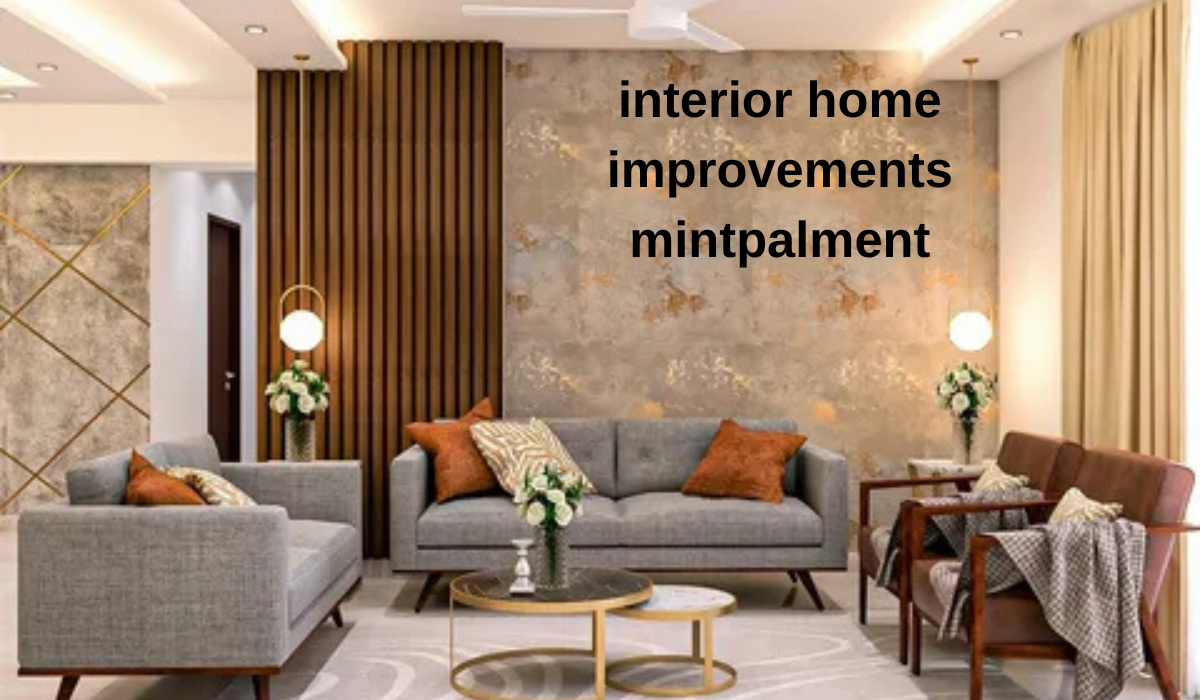
Your home doesn’t have to be expensive or newly renovated to look beautiful. Sometimes, the biggest difference comes from simple changes that people often overlook. An outdated living room, crowded bedroom, poorly organized kitchen, or dark hallway can make an otherwise comfortable house feel less inviting. The good news is that you don’t always need new furniture, expensive materials, or professional renovation services to improve these spaces.
Interior home improvements MintPalMent is a useful approach to making your living environment more attractive and functional through thoughtful, budget-friendly upgrades. It focuses on improving what you already have, solving everyday problems, and making better use of available space.
From refreshing wall colors and improving lighting to organizing storage and updating old furniture, small improvements can create noticeable results. The key is knowing which changes deserve your attention and which expenses you can avoid.
Let’s look at practical ways to improve your home’s interior while keeping comfort, appearance, durability, and budget in mind.
What Are Interior Home Improvements MintPalMent?
Interior home improvements MintPalMent refers to practical ways of improving the appearance, organization, comfort, and functionality of indoor spaces. These improvements can involve small decorative changes, furniture updates, better lighting, storage solutions, or more substantial upgrades to existing rooms.
The idea is to make your home work better for the people living in it without automatically committing to a complete renovation. For more guidance on furniture placement, color coordination, lighting, and decorating styles, explore these practical home interior design ideas.
For example, consider an outdated kitchen. Replacing every cabinet and countertop could be expensive, but repainting suitable existing cabinets, changing their handles, improving under-cabinet lighting, and organizing drawers might solve several problems at a much lower cost.
Common interior improvements include:
- Repainting walls and refreshing decorative finishes.
- Updating old furniture and cabinet hardware.
- Improving natural and artificial lighting.
- Creating better storage and organization systems.
- Rearranging furniture to improve movement.
- Adding suitable window treatments and indoor plants.
- Improving insulation and addressing air leaks.
- Making rooms more comfortable and accessible.
Pro Tip: Before purchasing anything, identify what is actually wrong with the room. A dark room needs better lighting, while a crowded room may need less furniture rather than more storage products.
How to Plan Interior Home Improvements Without Wasting Money
One of the biggest mistakes homeowners make is purchasing decorative items before deciding what their space needs. This often results in unnecessary spending and rooms that look attractive but remain inconvenient.
A better approach is to plan improvements around everyday problems.
Start With a Room-by-Room Assessment
Walk through your home and examine each room separately. Think about how you use the space and what makes everyday activities difficult.
Ask yourself:
- Does the room receive enough natural light?
- Is there enough storage for everyday belongings?
- Can people move around comfortably?
- Are the walls, floors, or furniture showing signs of damage?
- Does the room serve its intended purpose?
- Are there moisture problems, drafts, or ventilation issues?
Write down the two or three most important problems in each room. Start with the one that affects your daily routine most.
Set a Realistic Budget
Decide how much you can comfortably spend before shopping for materials or furniture.
Divide your budget into three categories:
- Essential improvements: Repairs, damaged fixtures, moisture problems, and other issues affecting the home’s condition.
- Functional upgrades: Storage systems, better lighting, furniture arrangements, and practical improvements.
- Decorative improvements: Paint colors, curtains, cushions, artwork, and accessories.
Keep some money available for unexpected expenses, particularly when opening walls, replacing flooring, or repairing older fixtures.
Compare products from different suppliers, but don’t automatically choose the cheapest option. Materials that require frequent replacement may cost more over time.
Pro Tip: Complete one room before moving to another whenever possible. This makes it easier to monitor spending and understand which improvements provide the most noticeable benefits.
Simple Interior Upgrades That Make a Noticeable Difference
You don’t need major construction to improve your home’s appearance. Several small changes can make existing rooms feel more comfortable and coordinated.
Refresh Walls With Suitable Paint Colors
Painting is one of the most recognizable ways to update an interior. Old marks, faded colors, and uneven finishes can make a room feel neglected.
Light shades such as cream, warm white, soft beige, and pale gray can help reflect light and create an open appearance. However, darker colors can also work beautifully when used thoughtfully, especially on accent walls or in rooms with sufficient lighting.
The paint finish matters as well:
- Matte: Helps conceal minor surface imperfections.
- Eggshell: Provides a subtle sheen and works well in many living spaces.
- Satin: Offers a more washable finish for frequently used areas.
- Semi-gloss: Often suitable for trim, doors, and surfaces requiring regular cleaning.
Always check the paint manufacturer’s recommendations because products differ in durability and moisture resistance.
Improve Lighting in Every Room
Lighting influences how a room looks and how comfortably you can use it.
Instead of relying on one ceiling fixture, combine different lighting sources:
- Ambient lighting for general illumination.
- Task lighting for reading, cooking, and working.
- Accent lighting to highlight artwork or architectural details.
LED bulbs are another practical improvement. ENERGY STAR explains that LED lighting products can produce light up to 90% more efficiently than incandescent bulbs.
For a balanced interior, consider warm lighting in bedrooms and living areas, while kitchens, workspaces, and reading areas may benefit from brighter task lighting.
Pro Tip: Before buying another decorative lamp, check whether existing furniture or curtains are blocking natural light from your windows.
Give Old Furniture a New Purpose
Replacing furniture whenever it looks outdated is not always necessary. A suitable table, cabinet, or dresser may only need cleaning, refinishing, new hardware, or a different arrangement.
You can:
- Replace worn cabinet handles.
- Repaint furniture with an appropriate finish.
- Update old drawer pulls.
- Add new cushions or washable covers.
- Reposition existing furniture.
- Use an old dresser as additional storage.
Make sure the furniture is structurally sound before investing in cosmetic repairs.
Refresh Curtains, Rugs, and Decorative Accessories
Textiles can make a room feel more coordinated without changing its structure.
Choose curtains that suit the window size, rugs that fit the furniture arrangement, and cushions that complement the existing color palette.
Avoid purchasing too many decorative pieces. A few carefully selected items often create a cleaner appearance than filling every available surface.
Improve Storage and Organization for Better Living
A beautiful room can still feel uncomfortable when everyday belongings are scattered everywhere. Good organization makes your home easier to maintain and allows existing furniture and decorative features to stand out.
You can also use these minimalist home decor essentials to keep your rooms organized while maintaining a clean and comfortable appearance.
Apartment Therapy’s small-space storage guidance highlights the usefulness of vertical storage, multifunctional furniture, and overlooked spaces.
Make Better Use of Vertical Space
Walls provide storage opportunities that homeowners sometimes overlook.
Consider:
- Floating shelves for books and decorations.
- Wall-mounted organizers for everyday items.
- Hooks behind doors.
- Tall bookcases.
- Pegboards for suitable household supplies.
- Wall-mounted cabinets where appropriate.
Vertical storage is particularly helpful in small bedrooms, compact kitchens, and apartments where floor space is limited.
Choose Furniture That Provides Hidden Storage
Multifunctional furniture can serve two purposes without making a room feel crowded.
Examples include:
- Storage ottomans.
- Beds with drawers.
- Coffee tables with compartments.
- Benches with storage underneath.
- Drop-leaf dining tables.
- Storage benches for entryways.
The important thing is to choose furniture according to the room’s dimensions and actual storage requirements.
Organize Items According to Daily Use
Place frequently used belongings in convenient locations. Store seasonal decorations and rarely needed items in less accessible areas.
A simple organization process works well:
- Remove the items from the area.
- Separate belongings according to their purpose.
- Keep useful items and remove unnecessary clutter.
- Group similar belongings together.
- Assign a permanent place to each group.
Pro Tip: Don’t purchase storage boxes until you know what needs storing. Otherwise, you may spend money organizing belongings you don’t actually need.
Room-by-Room Interior Home Improvement Ideas
Every room serves a different purpose. Therefore, the best improvements depend on how people use each space.
Living Room: Create a Comfortable Gathering Space
The living room is often where household members relax, watch television, entertain visitors, and spend time together.
Start by arranging seating to encourage conversation. Maintain comfortable walking paths and avoid placing oversized furniture where it blocks movement.
Other useful improvements include:
- Adding a properly sized area rug.
- Updating curtains and cushions.
- Installing suitable floor or table lamps.
- Creating a small reading corner.
- Adding shelves for books and decorative objects.
- Using a consistent color palette.
A living room doesn’t need expensive furniture to feel welcoming. Good proportions and thoughtful placement matter much more.
Bedroom: Prioritize Comfort and Organization
A bedroom should support rest and provide enough space for everyday activities.
Begin with comfortable bedding, suitable curtains, and practical bedside lighting. Organize clothing with closet dividers, drawer organizers, and under-bed storage.
If the bedroom is small, avoid filling it with unnecessary furniture. A bed with built-in drawers or a compact bedside table can provide additional functionality without occupying too much space.
Kitchen: Improve Storage and Everyday Functionality
The kitchen is one of the busiest areas in most homes. Small improvements can make cooking, cleaning, and organizing much easier.
Consider:
- Replacing outdated cabinet handles.
- Installing drawer dividers.
- Adding pull-out storage where suitable.
- Improving under-cabinet lighting.
- Repainting suitable existing cabinets.
- Organizing frequently used cooking equipment.
- Keeping countertops clear.
Houzz’s 2026 U.S. Kitchen Trends Study surveyed 1,780 homeowners and found that 76% of renovating homeowners incorporated specialty built-in features. Pantry cabinets were particularly popular, appearing in 47% of the reported renovation projects.
This suggests that storage and functionality are important considerations in modern kitchen planning. These figures describe surveyed renovation projects, not all homeowners.
Bathroom: Focus on Cleanliness and Moisture Control
Bathrooms require materials and fixtures that can handle frequent exposure to water and humidity.
Useful improvements include:
- Replacing outdated faucets.
- Improving vanity lighting.
- Adding practical storage.
- Refreshing damaged grout.
- Recaulking suitable joints.
- Installing a functioning exhaust fan.
- Choosing appropriate moisture-resistant finishes.
Don’t ignore recurring leaks or damp surfaces. Repair the underlying moisture problem before making decorative improvements.
Home Office: Create a Practical Workspace
A comfortable workspace can improve concentration and make daily tasks easier.
Position your desk where you can benefit from natural light without creating excessive screen glare. Choose a supportive chair, suitable task lighting, and accessible storage.
Cable organizers, wall shelves, and drawer dividers can help keep the workspace tidy.
Entryway: Make the First Few Steps More Organized
An entryway often collects shoes, bags, keys, and everyday belongings.
You can improve it with:
- Wall-mounted hooks.
- A compact shoe cabinet.
- A small storage bench.
- A tray for keys.
- A washable entrance mat.
- A mirror and suitable lighting.
Even a narrow entrance can become more practical with a few carefully selected additions.
Interior Design Trends Worth Considering in 2026
Following design trends can provide inspiration, but you shouldn’t change your entire home whenever a new style becomes popular. For additional inspiration, explore these modern home decor ideas for creating a stylish and comfortable living environment.
Houzz’s 2026 design research highlights growing interest in warm colors, natural textures, curved forms, and personalized interiors.
Here are several ideas worth considering.
Warm Colors and Natural Materials
Earthy shades such as sage, cream, taupe, and warm brown can create a welcoming atmosphere.
Natural wood, stone-inspired finishes, woven fabrics, and textured surfaces can also add visual interest.
You don’t need to replace every surface. Introduce these elements through furniture, accessories, curtains, or selected decorative features.
Biophilic Design and Indoor Plants
Biophilic design incorporates natural elements into indoor spaces.
You can introduce this approach through:
- Suitable indoor plants.
- Natural wood furniture.
- Linen and cotton fabrics.
- Daylight-friendly layouts.
- Nature-inspired colors.
- Decorative elements with organic shapes.
Choose plants according to available sunlight, maintenance requirements, and household conditions. If you have pets, check plant safety before bringing them indoors.
Curved Furniture and Soft Shapes
Rounded mirrors, curved chairs, circular tables, and soft-edged accessories can make a room feel less rigid.
These features work best when balanced with existing furniture rather than introduced everywhere.
Pro Tip: Choose one or two current design ideas that complement your existing interior. A home should reflect the people living in it, not simply reproduce a trend.
Energy-Efficient Interior Improvements That Support Everyday Comfort
Some home improvements provide benefits beyond appearance. Energy-efficient upgrades can improve indoor comfort while helping reduce unnecessary energy consumption.
Replace Older Lighting With LEDs
LED lighting is an accessible starting point for improving household lighting efficiency.
Check bulb brightness, color temperature, fixture compatibility, and the manufacturer’s specifications before purchasing replacements.
Address Drafts and Air Leaks
Unwanted air leakage around windows and doors can make rooms uncomfortable.
Suitable weatherstripping and caulking can help seal small gaps. The U.S. Department of Energy identifies these as practical air-sealing techniques that can reduce energy loss and improve comfort.
However, sealing a home should not mean removing necessary ventilation. Maintain appropriate fresh-air exchange, particularly in kitchens and bathrooms.
Improve Insulation Where Needed
Insulation can help maintain more consistent indoor temperatures.
Attics, walls, and other parts of the building envelope may need attention depending on the property’s condition and climate.
Before investing in insulation, identify where the actual problem exists. Professional advice can help prevent unnecessary work.
Protect Indoor Air Quality During Home Improvements
One important part of interior home improvements is protecting the indoor environment while work is taking place.
Paints, adhesives, sanding, and construction materials can introduce dust or pollutants into living spaces.
The U.S. Environmental Protection Agency recommends correcting underlying problems before making cosmetic repairs.
Follow these general precautions:
- Provide suitable ventilation during work.
- Keep dust-producing activities contained.
- Follow product safety and application instructions.
- Store paints and adhesives appropriately.
- Address leaks and damp materials promptly.
- Keep children and pets away from active work areas.
- Avoid disturbing materials that may contain asbestos.
Older homes require additional attention. In the United States, homes built before 1978 may contain lead-based paint. Disturbing it through sanding, cutting, or renovation can create hazardous dust.
The EPA recommends lead-safe certified professionals for covered renovation work in applicable pre-1978 properties. Don’t assume ordinary painting precautions are sufficient for suspected lead-containing surfaces.
For basement improvements, investigate moisture problems and consider radon testing before converting the space into a regularly occupied room.
Common Interior Improvement Mistakes to Avoid
Even well-intentioned improvements can create problems when homeowners overlook practical details.
Buying Furniture Before Measuring
An attractive sofa or dining table may look perfect in a showroom but feel oversized in your home.
Measure the room, furniture, doorways, and available walking space before purchasing.
Choosing Appearance Over Functionality
A decorative storage unit is not useful if it cannot hold the items you need.
Always consider how a product will support everyday activities.
Following Too Many Design Trends
Using several unrelated colors, finishes, and decorative styles can make rooms feel disconnected.
Choose a consistent palette and introduce new elements gradually.
Ignoring Small Repairs
Loose handles, leaking faucets, cracked caulk, and damaged surfaces should not be hidden behind decorative upgrades.
Fix underlying problems first.
Overlooking Lighting
One ceiling fixture rarely provides ideal lighting for every activity.
Use a combination of general, task, and accent lighting where appropriate.
Spending Too Much on Cosmetic Changes
Expensive finishes and personalized features don’t automatically improve a home’s resale value.
Consider durability, maintenance, personal enjoyment, and the needs of future occupants before making major purchases.
A Practical Example: Improving a Small Living Room on a Limited Budget
Imagine a homeowner named Sarah who has a small living room with outdated curtains, limited storage, and an uncomfortable furniture arrangement.
Her first thought is to replace the sofa, purchase a new television unit, and repaint the entire room.
However, after assessing the space, she realizes that the biggest problems are clutter, poor lighting, and inefficient furniture placement.
Instead, she takes a different approach:
First, she reorganizes the room. Unnecessary decorative items are removed, and frequently used belongings receive designated storage spaces.
Next, she rearranges the furniture. The sofa is positioned to create a comfortable seating area while leaving a clear walking path.
Then, she improves the lighting. A suitable floor lamp is added to a darker corner, and the existing ceiling light receives an appropriate LED replacement.
Finally, she refreshes the appearance. New curtains and a few coordinated cushions give the room a more consistent look.
The result is a more organized and comfortable living area without the expense of replacing every major item.
The lesson is simple: identify the problem before deciding which products to buy.
How to Decide Which Interior Improvements Are Worth the Money
Not every upgrade deserves the same level of investment.
Before starting a project, consider four factors:
| Factor | What to consider |
|---|---|
| Functionality | Does the improvement solve an everyday problem? |
| Durability | Will the material handle regular use? |
| Maintenance | Will it require frequent cleaning or repairs? |
| Budget | Is the improvement affordable without unnecessary spending? |
If you plan to sell your property, prioritize improvements with broad appeal, such as clean walls, functional lighting, well-maintained flooring, and organized storage.
If you intend to stay for many years, personal comfort and convenience may deserve greater priority.
Remember that a home’s resale value depends on its location, condition, market demand, and the quality of the work. No individual interior upgrade guarantees a particular financial return.
Final Thoughts
A beautiful home is not necessarily the one with the most expensive furniture or the latest decorative features. It is the one that supports your daily routine, feels comfortable, and makes good use of available space.
Interior home improvements MintPalMent offers a practical way to approach these changes. Start by identifying problems, setting a realistic budget, and choosing upgrades that provide genuine benefits.
Improve lighting, refresh suitable surfaces, organize storage, update existing furniture, and make each room more functional. Pay attention to ventilation, moisture, and material safety before concentrating on decoration.
Most importantly, don’t rush into a complete makeover. Small, well-planned improvements can produce meaningful results over time.
Your home should work for the people living in it. When comfort, functionality, and thoughtful design guide your decisions, even modest improvements can make everyday living more enjoyable.
Frequently Asked Questions
1. What are interior home improvements MintPalMent?
Interior home improvements MintPalMent refers to practical ways of improving indoor spaces through better organization, lighting, furniture, decoration, storage, and functional upgrades. The focus is on making a home more comfortable and attractive without unnecessary renovation expenses.
2. What are the most affordable ways to improve a home’s interior?
Repainting suitable walls, rearranging furniture, replacing outdated hardware, improving lighting, organizing storage, and refreshing curtains are some accessible options. The best choice depends on the room’s condition and your budget.
3. How can I make a small room look more spacious?
Use appropriately sized furniture, vertical storage, mirrors, suitable lighting, and a limited color palette. Keep walking paths clear and avoid filling the room with unnecessary decorative objects.
4. Which home improvements should I complete first?
Address safety concerns, leaks, moisture problems, and damaged fixtures first. After essential repairs, prioritize improvements that make frequently used rooms more functional and comfortable.
5. Are interior improvements better than complete renovations?
It depends on the home’s condition. Interior improvements are often sufficient when the existing layout and major systems work properly. Renovation may be necessary when there are structural problems, failing systems, or significant layout limitations.
6. Which interior design trends are popular in 2026?
Houzz’s 2026 research highlights warm wood tones, natural textures, earthy colors, curved shapes, personalized spaces, and more practical storage solutions. Homeowners should adapt these ideas to their own spaces rather than follow every trend.
7. Can interior improvements increase property value?
Well-maintained interiors, functional kitchens, updated lighting, and clean flooring can improve a property’s appeal. However, the financial return depends on local market conditions, project quality, and buyer preferences.
8. How can I improve my home without buying new furniture?
Rearrange existing furniture, refresh suitable surfaces, change curtains and cushions, improve lighting, reorganize storage, and repurpose furniture where practical. These changes can make a room feel different without replacing everything.
References and research sources
The following sources support the article’s practical recommendations, design insights, and technical information.
- Apartment Therapy: The 10 Best Storage Ideas for Small Spaces – Vertical storage and multifunctional furniture.
- The Spruce: Budget-Friendly Kitchen Cabinet Improvements – Cabinet hardware, lighting, and affordable updates.
- Houzz: 2026 U.S. Emerging Design Trends – Current interior design trends and materials.
- Houzz: 2026 U.S. Kitchen Trends Study – Kitchen functionality and storage research.
- ENERGY STAR: Learn About LED Lighting – LED efficiency and performance.
- U.S. Department of Energy: Insulation and Air-Sealing Essentials – Air sealing and energy efficiency.
- U.S. Environmental Protection Agency: Best Practices for Indoor Air Quality When Remodeling – Indoor air quality and renovation safety.
- U.S. Environmental Protection Agency: Lead Renovation, Repair and Painting Program – Lead-safe renovation guidance.
- Sherwin-Williams: How to Choose Paint Finishes – Paint finishes and suitable applications.