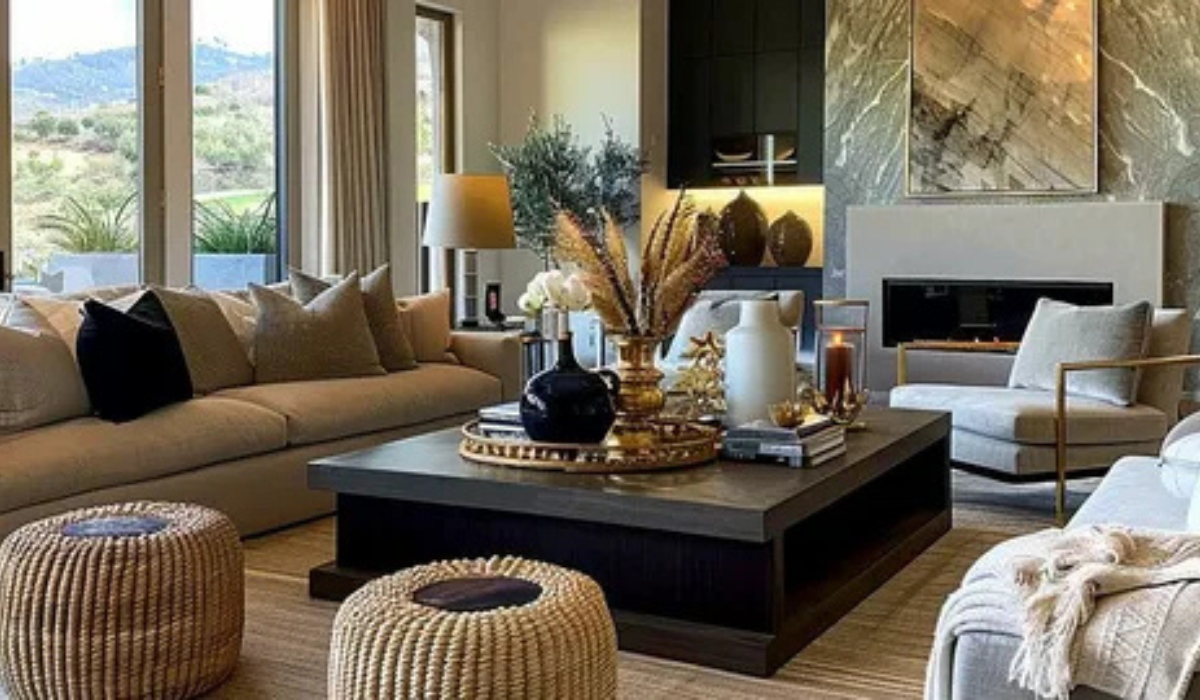
Modern home decor is about creating a home that feels fresh, functional, and personal without filling every corner with expensive furniture or following every passing trend. The best modern interiors combine clean lines, thoughtful colors, natural materials, comfortable furniture, and lighting that makes each room feel welcoming.
You do not need a luxury property or a complete renovation to achieve this look. A carefully placed mirror, a warm color palette, better lighting, or a well-chosen sofa can make a noticeable difference.
The trick is knowing what to change first. Many homeowners spend money on decorative accessories before fixing the layout, lighting, or clutter that makes a room feel unfinished. A better approach is to build your design around how you actually live.
In this guide, we will explore practical modern home decor ideas for living rooms, bedrooms, kitchens, and smaller spaces. You will also learn how to combine colors, choose materials, avoid common decorating mistakes, and create a modern interior that looks good without stretching your budget.
For a broader look at furniture placement, lighting, and different decorating styles, explore our guide to home interior design ideas
What Is Modern Home Decor?
Modern home decor focuses on simplicity, useful design, balanced proportions, and materials that look good without unnecessary decoration. It often includes clean furniture shapes, uncluttered surfaces, natural textures, functional storage, and a carefully planned color scheme.
However, modern decor does not mean every wall must be white or every piece of furniture must have straight edges. Contemporary interiors can include curved sofas, vintage accessories, textured fabrics, colorful artwork, and traditional details when they work together.
In 2026, design coverage increasingly emphasizes individuality, craftsmanship, warm materials, and lived-in spaces rather than strict visual perfection. Vogue’s interior design trends report explores this shift toward more personal interiors.
The key principle: Make your home feel organized and intentional, but leave room for personality.
For example, a neutral living room with a wooden coffee table, a comfortable sofa, one large artwork, and warm lighting can feel modern without looking cold or empty.
Pro tip: Before buying anything, decide what you want a room to do. A living room designed for family gatherings may need flexible seating, while a quiet reading corner needs a comfortable chair, good lighting, and somewhere to put a book.
15 Modern Home Decor Ideas Worth Trying
1. Start With a Warm, Balanced Color Palette
Color sets the mood of a room before anyone notices the furniture or accessories. A balanced palette helps different elements work together and makes decorating decisions easier.
Start with one main color, one supporting color, and one or two accent shades. For example:
- Main color: Warm white, cream, or soft beige.
- Supporting color: Natural wood, muted green, or warm gray.
- Accent color: Terracotta, deep blue, olive, or charcoal.
You can use the main color on larger surfaces, the supporting shade in furniture or textiles, and the accent color in cushions, artwork, lamps, or smaller decorative pieces.
If you prefer darker interiors, consider chocolate brown, forest green, or deep blue. These colors can add depth when balanced with suitable lighting and lighter materials.
The goal is not to use the fewest colors possible. It is to choose colors that complement one another.
Not sure which shades work together? Use our room colour palette generator to explore combinations before choosing paint, furniture, or accessories.
Pro tip: Test paint samples on different walls and observe them in morning and evening light before committing. A shade that looks soft in a bright showroom may appear much darker in your home.
2. Choose Furniture With Clean Lines
Furniture has a major influence on whether a room feels modern. Pieces with simple shapes, useful proportions, and minimal decorative detailing can create a more organized appearance.
Look for sofas with defined silhouettes, dining tables with uncluttered bases, streamlined cabinets, and bedside tables that provide practical storage.
You do not have to replace everything at once. If your current furniture is comfortable and in good condition, work around it. Change the cushions, update the hardware, rearrange the layout, or introduce a complementary side table.
When choosing new furniture, measure the available space first. A beautiful sofa that blocks a walkway will create more frustration than style.
Pro tip: Use painter’s tape to outline a furniture item’s approximate dimensions on the floor. This gives you a clearer sense of its footprint before you buy it.
3. Bring Natural Materials Into the Room
Natural materials add visual warmth and texture to modern interiors. Wood, linen, cotton, wool, stone, ceramic, and woven fibers can prevent a simple room from feeling flat.
Try a wooden coffee table with a fabric sofa, linen curtains beside a painted wall, or ceramic vases on a simple console. These combinations create interest without requiring complicated patterns.
You can also mix different finishes. Light oak, darker wood, brushed metal, and textured upholstery can work together when their colors and proportions feel balanced.
Avoid using too many competing materials in a small room. Three or four complementary textures are often enough to make a space feel considered.
Pro tip: If your room already contains plenty of hard surfaces, such as tile, glass, or stone, introduce softer elements through rugs, curtains, cushions, and upholstered seating.
4. Layer Your Lighting Instead of Relying on One Ceiling Light
Lighting can change how a room feels, even when nothing else moves. A single bright ceiling fixture may provide general illumination, but it rarely creates the most comfortable atmosphere for every activity.
A more flexible lighting plan combines three types:
- Ambient lighting: General illumination for the entire room.
- Task lighting: Focused light for reading, cooking, studying, or working.
- Accent lighting: Light that highlights artwork, shelves, architectural features, or decorative objects.
For example, a living room might have a ceiling fixture, a floor lamp beside the sofa, and a small table lamp near a reading chair.
Choose warm or neutral light according to the room’s purpose, and consider dimmable fixtures where practical. Kitchens and work areas may need brighter, clearer illumination than a bedroom used for relaxing.
Pro tip: Plan lighting around activities rather than simply adding more fixtures. A lamp positioned where you read is more useful than an expensive decorative light that leaves your favorite chair in shadow.
5. Make the Living Room Comfortable and Uncluttered
The living room is often where family members relax, watch television, entertain guests, and spend time together. Its layout should support these activities before decorative details take priority.
Begin with the main seating. Arrange the sofa and chairs so conversation feels natural, and keep everyday walking routes clear. Position a coffee table within comfortable reach without blocking movement.
Next, establish a visual focal point. This could be a fireplace, a large artwork, a window with a pleasant view, or a carefully arranged media unit.
Finish with a few accessories that serve a purpose or express your taste. A textured throw, a tray, a floor lamp, or a plant can add interest without making every surface crowded.
Consider a rug large enough to connect the seating area visually. A rug that is too small can make otherwise suitable furniture look disconnected.
Pro tip: Take a photograph of your living room from the entrance. It can reveal crowded corners, awkward furniture spacing, and areas that need less decoration.
6. Create a Modern Bedroom That Feels Restful
A modern bedroom should support rest while still reflecting your personal style. Too many contrasting colors, decorative objects, or competing patterns can make the room feel visually busy.
Start with a comfortable bed and practical bedside storage. Then choose a limited palette for bedding, curtains, and walls.
Soft neutrals, muted greens, dusty blues, and warm earthy shades are useful starting points. Add texture through layered bedding, upholstered furniture, a woven rug, or curtains that soften the window area.
Lighting matters here, too. Bedside lamps or adjustable wall lights can be more convenient than relying entirely on a central ceiling fixture.
Storage should also be part of the design. Closed drawers, under-bed storage where suitable, and a well-organized wardrobe help everyday belongings stay out of sight.
Pro tip: Choose bedding and curtains before buying small decorative accessories. These larger textile choices influence the room’s overall appearance much more than a collection of minor ornaments.
7. Give Your Walls a Purpose
Empty walls can make a room feel unfinished, but covering every wall with decorations is rarely the answer. Choose wall treatments that complement the room’s scale and existing furniture.
Options include:
- A single large artwork above a sofa.
- A small gallery wall with consistent spacing.
- A painted accent wall behind the bed.
- Simple wall molding for added architectural interest.
- Floating shelves for a combination of books and meaningful objects.
If you rent your home, removable wall treatments and lightweight artwork may be easier to manage, subject to your lease and the product instructions.
For a more expressive look, consider color drenching, where walls and selected architectural details use related shades. This can create a cohesive effect, but it is worth testing the color in your room before committing.
Pro tip: Hang artwork at a height that relates to the furniture beneath it. A picture positioned too high can look disconnected from the sofa, console, or bed it is meant to complement.
8. Use Mirrors to Reflect Light and Create Visual Space
Mirrors are useful decorative tools, particularly in smaller rooms, narrow hallways, and areas with limited natural light.
A large mirror can reflect a window, brighten a darker corner, or create the impression of greater depth. Round mirrors can soften rooms dominated by rectangular furniture, while simple framed mirrors suit many modern interiors.
Placement matters more than size alone. A mirror reflecting a pleasant view or attractive feature adds more value than one reflecting clutter.
Choose a frame that relates to other finishes in the room, such as wood, black metal, or brushed brass.
Pro tip: Before mounting a mirror, stand where it will be viewed and check exactly what it reflects. Avoid positioning it to highlight an untidy storage area or an unattractive corner.
9. Add Plants and Natural Details
Plants can introduce color, texture, and a sense of connection with the outdoors. They work well in modern interiors because their organic shapes contrast with straight furniture lines and simple architectural forms.
Choose plants according to the light, humidity, and care conditions available in your home. A low-maintenance variety may be more suitable than a plant that requires daily attention.
If live plants are impractical, consider a branch arrangement, dried grasses, or a carefully chosen botanical print. These alternatives can still introduce natural forms.
Avoid placing plants in every available corner simply to follow a trend. A few appropriately sized plants can look more intentional than a crowded collection.
Pro tip: Check a plant’s light requirements before choosing its location. A beautiful plant in the wrong environment may struggle, regardless of how carefully the rest of the room is decorated.
10. Make a Small Home Feel More Open
Small apartments and compact houses benefit from thoughtful planning. The goal is not to make every room empty; it is to use the available space without obstructing movement.
Start by removing items you no longer need and identifying where everyday belongings naturally accumulate. Then look for furniture that performs more than one function.
Useful options include storage ottomans, extendable dining tables, nesting tables, beds with drawers, and desks that fit neatly into an unused corner.
If you are turning an unused corner into a workspace, these home office ideas for small spaces offer practical ways to combine storage, lighting, and furniture.
Wall-mounted shelves can free up floor space, while curtains hung thoughtfully above a window can create a sense of height. Mirrors and lighter wall colors may also help a room feel brighter, depending on its layout and natural light.
Apartment Therapy’s decorating and design resources offer examples of practical ideas for different room sizes and budgets.
Pro tip: Protect clear walking paths before adding more storage. A room with slightly less storage but easier movement may work better than one filled with cabinets.
11. Refresh Your Kitchen With Simple Modern Details
A modern kitchen does not always need new cabinets, stone countertops, or a complete renovation. Smaller changes can improve its appearance while preserving the existing layout.
Start with the most visible areas. Clear unnecessary items from the countertop, group frequently used essentials, and organize utensils and small appliances according to how often you use them.
If the cabinets are in good condition, consider updating their handles, subject to compatibility, or refreshing the surrounding wall color. A simple backsplash, a well-chosen pendant light, or coordinated countertop accessories can also make a difference.
Materials should be selected for durability and ease of cleaning, especially around cooking and preparation areas.
Avoid sacrificing practical workspace for decorative displays. A kitchen needs enough clear surface area to prepare food safely and comfortably.
Pro tip: Before buying kitchen accessories, observe which items you use every day. Keep those within easy reach and store occasional-use items elsewhere.
12. Choose Curtains and Rugs That Tie the Room Together
Soft furnishings can connect colors and materials across a room. They are also relatively easy to change when your preferences evolve.
For curtains, consider the window size, privacy requirements, available daylight, and the overall room palette. Simple linen-look fabrics, cotton blends, and understated patterns can suit many modern spaces.
For rugs, think about placement, durability, cleaning requirements, and how the design relates to nearby furniture.
You can use a rug to define a seating area in an open-plan room or add softness to a bedroom. Curtains can provide privacy, reduce glare, and soften the hard lines of windows.
Do not choose both items in isolation. They should work with the sofa, wall color, flooring, and other large elements.
Pro tip: Pick one element with a noticeable pattern and keep the other more restrained if you want an easy-to-coordinate combination.
13. Introduce Curves Without Overdoing Them
Modern interiors do not have to rely entirely on sharp corners and straight lines. Rounded mirrors, curved chairs, oval tables, and sculptural lamps can make a room feel softer.
The key is balance. If you have a rectangular sofa, an oval coffee table may introduce contrast. If your room already contains several rounded furniture pieces, a more structured side table may restore visual balance.
Curved furniture can also help create a natural flow in certain layouts, although its actual footprint and clearance requirements still matter.
You do not need to replace large furniture to try this approach. A round mirror or a small sculptural accessory can introduce the same design language on a smaller scale.
Pro tip: Use one or two curved elements as deliberate accents rather than making every object compete for attention.
14. Add Personality With Art and Meaningful Objects
A home can be modern without feeling generic. Personal photographs, books, handmade ceramics, souvenirs, and artwork can give a room character.
Instead of displaying every item you own, choose a small selection and arrange them with enough space around each piece. Grouping objects by color, material, or visual weight can help them feel connected.
You can also mix older pieces with contemporary furniture. A vintage wooden cabinet beside a modern sofa, for example, can create a more individual look than buying an entire matching furniture set.
The important thing is to make choices that suit your preferences rather than copying a showroom exactly.
Pro tip: Start with objects that have personal meaning. Add new decorative pieces only when they complement the room or serve a clear purpose.
15. Keep Storage Integrated With the Design
Storage may not be the most exciting part of decorating, but it has a major effect on how a home looks and functions.
Open shelves can display books, plants, and favorite objects, while closed cabinets are useful for items you would rather keep out of sight. A combination of both often provides a good balance.
Use baskets or labeled containers for smaller belongings, and give frequently used items a consistent place. In bedrooms, entryways, and living rooms, this simple habit can prevent clutter from returning.
Choose storage furniture that suits the room’s proportions. Tall cabinets may make good use of vertical space, while low units can keep a room feeling visually open.
Pro tip: Organize storage according to daily routines. Keys belong near the entrance, work supplies near the desk, and frequently used kitchen items close to their point of use.
How to Decorate Your Home on a Budget
Modern home decor can be affordable when you focus on the changes that make the biggest practical difference.
Instead of purchasing several new items at once, divide your project into manageable stages.
Start with these low-cost improvements:
- Rearrange existing furniture. Try a different layout before spending money on replacements.
- Declutter visible surfaces. Remove items that no longer serve a purpose or contribute to the room.
- Improve lighting. A suitable lamp or replacement bulb may improve the atmosphere without major work.
- Refresh textiles. Cushion covers, curtains, throws, and bedding can change the room’s color balance.
- Display existing artwork differently. Reframing or regrouping pieces may give them a fresh appearance.
- Shop carefully for secondhand items. Check dimensions, stability, condition, and repair costs before purchasing.
- Save for major purchases. A durable sofa or well-made dining table may be a better investment than several inexpensive items that need replacing quickly.
Apartment Therapy is particularly useful for researching approachable DIY projects and real-home decorating ideas. You can also compare practical how-to guidance from The Spruce before attempting a home project.
If you are considering improvements beyond decorating, our guide to affordable home renovation ideas can help you prioritize practical upgrades and plan your budget.
Pro tip: Set a total budget before shopping and reserve part of it for unexpected costs. If you are renting, check your lease before painting, drilling, or making permanent changes.
Common Modern Home Decor Mistakes to Avoid
Even attractive furniture and expensive accessories can produce disappointing results when the overall plan is weak.
Buying Furniture Before Measuring
Large pieces may look suitable online but overwhelm a room or block doors and walkways. Measure the room, check delivery access, and confirm the furniture dimensions first.
Using Too Many Matching Items
A perfectly coordinated furniture set can sometimes make a room feel flat. Introduce variation through complementary materials, different shapes, and meaningful accessories.
Treating Minimalism as an Empty Room
Modern design is not about removing everything. A useful space still needs comfortable seating, adequate storage, appropriate lighting, and objects that make it feel like home.
Ignoring Lighting and Function
A room may photograph well but feel uncomfortable for reading, working, or relaxing. Plan lighting and furniture placement around actual daily activities.
Following Every Trend
Trends change, and not every popular idea suits every home. Invest in practical essentials you expect to use for years, and experiment with more temporary elements through accessories, artwork, and textiles.
A Simple Example: Updating a Living Room Without a Full Renovation
Imagine a living room with a neutral sofa, a crowded coffee table, a single ceiling light, and several unrelated decorative objects. The furniture itself is in good condition, but the room feels unfinished.
Rather than replacing everything, the homeowner could make five changes.
First, rearrange the seating to improve conversation and movement. Second, remove unnecessary items from the coffee table. Third, add a floor lamp beside the sofa. Fourth, introduce a rug that connects the seating area. Finally, select two or three accessories that repeat colors already present in the room.
The result may feel more coordinated without requiring new flooring, custom cabinetry, or expensive furniture.
This example illustrates an important principle: good decorating is often about making better decisions with what you already have.
Your own results will depend on the room’s size, natural light, existing finishes, and budget, but the process provides a sensible starting point.
Frequently Asked Questions About Modern Home Decor
What are the main features of modern home decor?
Modern home decor commonly features clean lines, functional furniture, balanced colors, uncluttered layouts, layered lighting, and carefully selected materials. Personal artwork, plants, and textured fabrics can add warmth without making the space feel crowded.
What colors work best for a modern home?
Warm white, beige, soft gray, muted green, earthy brown, and dusty blue are versatile starting points. You can add stronger colors such as terracotta, navy, or forest green for contrast. The best palette depends on your lighting, existing finishes, and personal preferences.
How can I make my home look modern without spending much?
Start by rearranging furniture, clearing clutter, improving lighting, and coordinating textiles. You can also update cabinet hardware, display existing artwork, or shop for suitable secondhand furniture. Focus on changes that improve both appearance and everyday use.
Is modern home decor the same as minimalist design?
No. Minimalism generally emphasizes reducing visual and physical excess, while modern home decor is a broader approach to interior styling. A modern room can include colorful artwork, vintage furniture, patterned textiles, and meaningful collections while retaining a cohesive design.
How can I decorate a small home in a modern style?
Use appropriately sized furniture, multifunctional storage, clear walking paths, and a consistent color palette. Mirrors, wall-mounted shelves, and layered lighting may also help a compact space feel more open and useful.
What modern home decor trends are popular in 2026?
Current design coverage points toward warmer materials, personal collections, tactile fabrics, expressive colors, vintage details, and interiors that feel lived in rather than overly staged. These are broad editorial trends, not rules that every homeowner needs to follow.
How do I make a modern home feel cozy?
Combine comfortable seating, warm lighting, soft textiles, natural materials, and a few personal objects. Avoid relying exclusively on hard surfaces and cool lighting if your goal is a relaxed atmosphere.
Final Thoughts
Modern home decor works best when style and everyday comfort support each other. You do not need to copy an expensive interior, replace all your furniture, or follow every new trend to create a home that feels thoughtfully designed.
Start with the basics: a practical layout, a balanced color palette, comfortable furniture, useful storage, and lighting suited to your routines. Then introduce natural textures, artwork, plants, and personal details that make the space your own.
Make improvements gradually, measure before buying, and spend your budget where it will make a real difference. A modern home should not simply look good in photographs. It should work for the people who live in it.