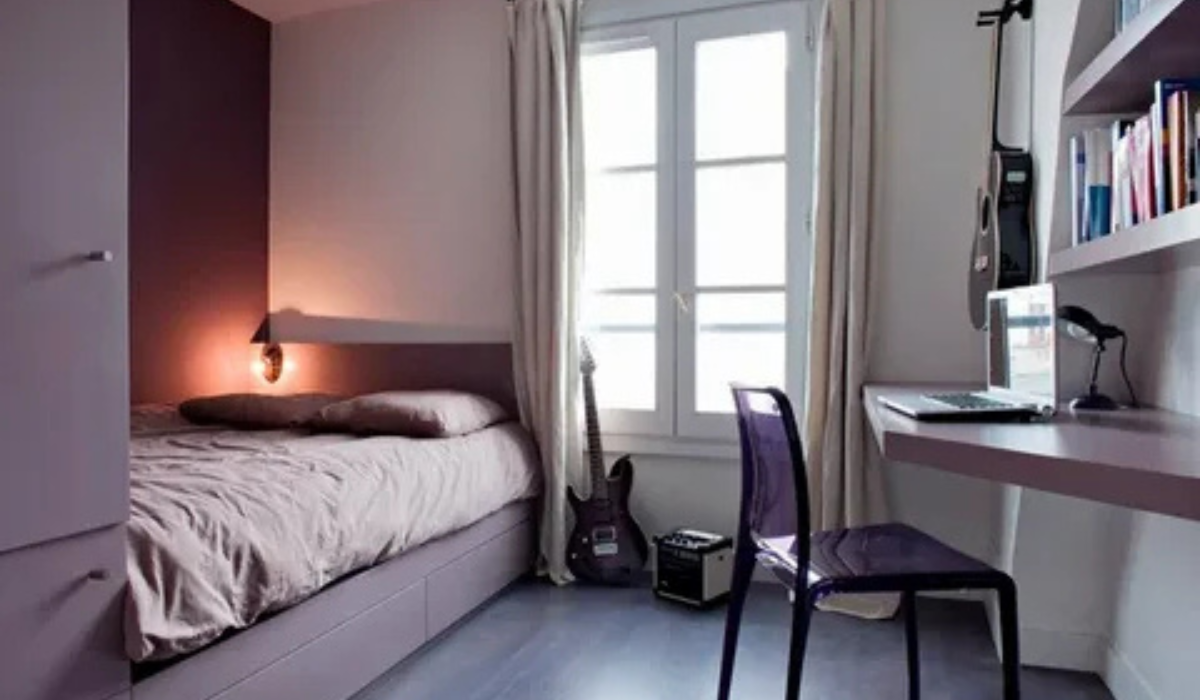
A small bedroom can feel cramped even when you have everything you need. A bulky bed, an oversized wardrobe, poor lighting, and a few unnecessary items can make the room feel smaller than it really is. The good news? You don’t need to knock down walls or spend thousands of dollars to create a comfortable, attractive bedroom.
The secret to successful small bedroom interior design is making every part of the room work harder. The right furniture, thoughtful storage, balanced colors, and a practical layout can help you create a bedroom that feels organized, looks beautiful, and supports your daily routine.
Whether you’re decorating a small apartment bedroom, a guest room, or a compact bedroom in your family home, these ideas will help you make better use of the space you already have.
1. Start With a Layout That Gives You Room to Move
Before buying new furniture or choosing paint colors, look at how your bedroom is arranged. Even beautiful furniture can become a problem when it blocks a doorway, covers a window, or leaves you squeezing between the bed and the wardrobe.
If you’re planning a wider room makeover, our guide to home interior design ideas offers additional guidance on furniture placement, colors, and creating a functional space.
Start with the bed because it usually occupies the largest amount of floor space. If possible, position it against the main wall and arrange other furniture around it. Depending on the room’s shape, placing the bed centrally can provide a more balanced appearance, while a corner arrangement may be useful when space is extremely limited.
How to plan your bedroom layout
- Measure the room, including doors, windows, and built-in cupboards.
- Mark the bed’s dimensions and account for the space needed to open drawers.
- Keep the main walking routes clear.
- Avoid placing tall furniture where it blocks natural light.
- Use a simple floor plan to test different arrangements before moving heavy furniture.
Practical example: Imagine a bedroom with a double bed, a wardrobe, and two bedside tables. Removing one table and replacing the other with a narrow floating shelf could create more usable floor space without sacrificing everyday convenience.
Pro tip: Use paper cutouts or a free online room planner to test furniture positions. A few minutes of planning can prevent the expense of buying furniture that doesn’t fit.
2. Choose Furniture That Does More Than One Job
When floor space is limited, every large piece of furniture should justify its place. A traditional bed, separate storage chest, large desk, and bulky bedside cabinets can quickly overwhelm a compact bedroom.
Multifunctional furniture helps you combine several uses without filling the room with extra pieces.
Furniture worth considering
- Storage beds: Keep spare bedding, seasonal clothes, and other occasional-use items underneath the mattress.
- Foldable desks: Create a small work area that can be folded away when you finish.
- Bedside tables with drawers: Store everyday essentials without adding another cabinet.
- Storage ottomans: Provide seating and a place to keep blankets or accessories.
- Daybeds: Offer a flexible option for guest rooms that also serve as reading or sitting areas.
You don’t need to buy every space-saving product available. Choose pieces that solve an actual problem in your room.
For example, a storage bed makes sense if you lack cupboard space. However, if your wardrobe already has enough room, a simpler bed frame may be more affordable and easier to maintain.
Pro tip: Before purchasing multifunctional furniture, check how its drawers, doors, or folding mechanisms operate. A storage bed is less useful if you cannot open its compartments because another piece of furniture is in the way.
3. Make the Most of Vertical Space
One of the easiest mistakes in small bedroom design is focusing entirely on the floor. Your walls can provide valuable storage and display space without taking up additional walking room.
Tall shelving, wall-mounted cabinets, and floating shelves help you use areas that might otherwise remain empty.
Smart ways to use your walls
- Install floating shelves above a desk or beside the bed.
- Choose a tall wardrobe that uses available ceiling height.
- Add hooks for bags, hats, and frequently used accessories.
- Use wall-mounted reading lights instead of bulky table lamps.
- Display a few favorite books or decorative objects on carefully arranged shelves.
Vertical storage also gives you an opportunity to add personality. A small shelf with a framed photograph, a book, and a simple decorative object can make a bedroom feel more personal without creating clutter.
However, avoid filling every wall with shelves. Too many visible objects can make a compact room feel busy.
Pro tip: Keep frequently used items within easy reach and store occasional-use belongings on higher shelves. Secure wall-mounted furniture properly, especially above a bed, and follow the manufacturer’s installation instructions.
4. Select Colors That Match the Mood You Want
Light colors are often recommended for small bedrooms because they reflect light and can help a room feel open. Soft white, warm beige, pale gray, and muted cream are all useful options.
But that doesn’t mean you must paint your bedroom white.
For more inspiration on coordinating colors, furniture, lighting, and textures, explore our guide to modern home decor ideas.
Dark colors such as navy, charcoal, forest green, and deep teal can create a rich, intimate atmosphere. The key is to consider the room’s natural light, artificial lighting, and overall color balance.
Three color approaches to try
| Style | Suggested colors | Design effect |
|---|---|---|
| Light and airy | Warm white, cream, pale gray | Creates a bright, calm appearance |
| Warm and natural | Beige, muted olive, soft brown | Adds warmth and an organic feel |
| Cozy and dramatic | Navy, forest green, charcoal | Creates a deeper, more intimate atmosphere |
For a balanced result, you could use a deeper shade behind the bed while keeping the other walls lighter. Alternatively, use one consistent color across the walls and ceiling for a more continuous visual effect.
Pro tip: Test paint samples on more than one wall and observe them during the day and evening. A color that looks soft in bright daylight may appear much darker under warm artificial lighting.
5. Use Mirrors to Create a Sense of Depth
Mirrors can help a small bedroom feel brighter and more spacious by reflecting light and creating the impression of additional depth.
A full-length mirror is especially practical because it serves a daily purpose while contributing to the room’s appearance.
Where should you place a mirror?
Consider these options:
- Near a window, where it can reflect available daylight.
- On a wardrobe door to avoid using additional wall space.
- Above a dressing table or compact vanity.
- On a wall opposite an attractive feature that you want to reflect.
Pay attention to what the mirror reflects. Positioning one opposite a cluttered corner may make that clutter more noticeable rather than improving the room.
Pro tip: If floor space is limited, consider a securely mounted full-length mirror or mirrored wardrobe doors. You can achieve the visual benefit without adding a separate dressing unit.
Remember that mirrors create a visual illusion of depth; they do not increase the actual size of your bedroom.
6. Layer Your Lighting Instead of Relying on One Bulb
Poor lighting can make even a well-organized bedroom feel dull. A single ceiling light may illuminate the room, but it rarely provides the flexibility needed for reading, getting dressed, and relaxing.
A better approach is to combine different types of lighting.
Three lighting layers for small bedrooms
Ambient lighting: A ceiling fixture or suitable recessed lights provide general illumination.
Task lighting: Bedside reading lights, wall sconces, or a desk lamp help you perform specific activities.
Accent lighting: Carefully positioned LED strips or small decorative lights highlight shelves, headboards, or architectural features.
Wall-mounted lights are particularly useful because they free up bedside surfaces. If you rent your home, plug-in wall lights may offer an alternative to permanent electrical changes.
Avoid choosing lighting based on appearance alone. You also need suitable brightness, comfortable light quality, and convenient switches.
Pro tip: Place reading lights where you can reach them from the bed, and choose fixtures that direct light where it is needed. Use appropriate products and follow electrical safety instructions when installing new lighting.
7. Keep Windows Open and Choose Curtains Carefully
Natural light can make a small bedroom feel more inviting. Heavy curtains, oversized curtain hardware, and furniture placed directly in front of a window can reduce the amount of daylight entering the room.
You don’t necessarily need to remove curtains altogether. Instead, choose window treatments that suit your privacy needs and the amount of available light.
Window treatment ideas
- Use lightweight curtains when you want daylight to pass through.
- Hang curtain rods closer to the ceiling to emphasize vertical height.
- Choose blackout curtains if you need a darker sleeping environment.
- Consider simple roller blinds when a minimal window treatment works better.
- Match the curtain color to the walls if you prefer a calm, continuous appearance.
Sheer curtains can be useful during the day, but they may not provide enough privacy at night when interior lights are on. Layering sheers with blackout curtains or blinds can offer greater flexibility.
Pro tip: Measure the full window and the intended curtain coverage before purchasing. A suitable curtain length and properly positioned rod can make a noticeable difference to the finished look.
8. Invest in Storage That Keeps Clutter Out of Sight
A small bedroom doesn’t need to be completely empty to look good. The real challenge is giving everyday belongings a proper place.
When clothes, charging cables, books, cosmetics, and miscellaneous items accumulate on visible surfaces, the room can feel crowded even if the furniture layout is sensible.
Practical storage solutions
- Store seasonal clothing in under-bed containers.
- Use drawer organizers for small accessories.
- Install hooks inside wardrobe doors.
- Add baskets for blankets and frequently used items.
- Use fitted wardrobe organizers to make existing storage more efficient.
- Store seldom-used belongings in labeled containers.
Built-in wardrobes can be useful when a room has an awkward layout or limited storage options. However, they may involve higher costs and permanent changes. Renters may prefer freestanding furniture and removable organizers.
Pro tip: Organize belongings by how frequently you use them. Keep everyday essentials accessible and move occasional-use items to less convenient storage areas. This makes the room easier to maintain without requiring constant rearrangement.
9. Choose the Right Bed Size and Design
The bed is usually the visual and functional center of a bedroom. Its size, frame, headboard, and position can influence how the entire room feels.
A bed that is too large may leave little room for storage or movement. On the other hand, choosing an unnecessarily small bed simply to create more empty floor space may not suit your needs.
The goal is to find a comfortable bed that fits the room while leaving enough space for everyday activities.
Bed designs worth considering
- Low-profile beds: Can create a less bulky appearance and leave more visible wall space above the bed.
- Platform beds: Often have a simple frame that works well with contemporary interiors.
- Storage beds: Combine sleeping space with concealed storage.
- Murphy beds: Fold away when not in use, making them useful for some multifunctional rooms.
- Bunk beds: Can accommodate multiple sleepers in suitable children’s bedrooms.
When comparing beds, consider mattress dimensions, frame dimensions, headboard depth, and access to storage compartments.
Pro tip: Measure the complete bed frame, not just the mattress. Headboards, footboards, and projecting corners can take up more space than you expect.
10. Create a Feature Wall Without Overdecorating
A small bedroom can still have a distinctive design. You don’t need expensive furniture or decorations on every wall to create an attractive focal point.
A feature wall behind the bed is one way to introduce color, texture, or pattern while keeping the rest of the room relatively simple.
Ideas for a bedroom feature wall
- Paint the wall behind the bed in a deeper shade.
- Use subtle patterned wallpaper.
- Install a simple wood-effect panel.
- Hang a single large artwork or a carefully arranged group of smaller prints.
- Choose a fabric headboard that adds texture and visual interest.
The important thing is to give the room a clear focal point rather than making every element compete for attention.
For instance, a muted green wall paired with cream bedding and warm wood furniture can create a cohesive look without requiring many decorative accessories.
Pro tip: Repeat one or two colors from your feature wall in cushions, bedding, or artwork. This creates a coordinated appearance without buying an entirely new set of furniture.
11. Add Texture to Make the Room Feel Comfortable
Minimal furniture and uncluttered surfaces can help a small bedroom feel organized, but too many plain surfaces may leave it looking unfinished.
Texture gives the room depth without requiring additional furniture.
Simple ways to introduce texture
- Use cotton or linen bedding.
- Add a soft rug beside or beneath the bed.
- Layer a lightweight throw over the bedding.
- Choose curtains with a subtle woven finish.
- Introduce warm wood, woven baskets, or a textured cushion.
You don’t need to use every material at once. A few complementary textures can make a room feel more inviting without creating visual noise.
When choosing a rug, measure the available floor area and make sure the edges won’t create a tripping hazard. Keep the rug arrangement practical for getting in and out of bed.
Pro tip: Combine different textures within a limited color palette. For example, cream bedding, a beige woven rug, and a warm wood bedside shelf can provide visual interest without making the room feel busy.
12. Consider Japandi or Minimalist Design
Japandi combines elements commonly associated with Japanese and Scandinavian interiors, including simplicity, natural materials, restrained decoration, and practical furniture.
It can be a useful approach for a small bedroom because it encourages thoughtful choices rather than filling the room with unnecessary objects.
If you prefer a simpler look throughout your home, our guide to minimalist home decor essentials explains how to balance useful furniture, natural materials, and meaningful decorative details.
How to use this style
- Choose simple furniture with clean lines.
- Introduce natural wood finishes.
- Use neutral colors with occasional muted accents.
- Keep decorative objects limited to meaningful pieces.
- Select practical storage that blends with the room.
- Use comfortable bedding and soft lighting to balance the simple furniture.
Minimalist design does not mean removing everything that makes a bedroom comfortable. Your books, favorite artwork, personal photographs, and useful everyday items can still belong in the space.
Pro tip: Before buying new decorations, try removing a few items you rarely use. You may find that rearranging what you already own gives the room a calmer appearance at no additional cost.
13. Make Awkward Corners and Alcoves Useful
Not every bedroom has a straightforward rectangular layout. Sloping ceilings, narrow corners, recessed walls, and unusual window positions can make furniture placement more challenging.
Instead of treating these areas as wasted space, consider how they could support your daily routine.
Ideas for difficult bedroom layouts
- Place a compact desk in a suitable alcove.
- Add shelves to a narrow recess.
- Use low storage beneath a sloping ceiling.
- Position a small reading chair in a corner with enough clearance.
- Consider a custom wardrobe if a standard unit cannot fit properly.
For attic bedrooms, check ceiling height before placing the bed or a desk. An area that works for storage may not provide enough headroom for standing or walking comfortably.
Pro tip: Use awkward corners for activities that don’t require much floor space. Measure carefully before ordering custom furniture, and make sure doors, drawers, and windows can still operate freely.
14. Decorate on a Budget Without Replacing Everything
A stylish bedroom doesn’t require a complete renovation. Often, the most useful improvements involve changing the arrangement, reducing clutter, or updating a few visible details.
Start by identifying the problem you want to solve. If the room feels crowded, rearranging furniture may help more than purchasing decorative accessories. If the layout already works but looks unfinished, textiles or lighting may provide a better return.
Affordable changes to try
- Rearrange existing furniture.
- Replace worn cushion covers or bedding.
- Paint a wall if the existing finish needs refreshing.
- Add a mirror or a simple framed print.
- Improve storage with baskets and drawer organizers.
- Replace an oversized bedside table with a narrower alternative.
- Use existing shelves more effectively.
Pro tip: Make changes in stages. Rearrange the furniture first, organize storage second, and buy decorative items last. This prevents you from spending money on accessories before you know what the room actually needs.
15. Avoid These Common Small Bedroom Design Mistakes
Even attractive design choices can become impractical when they don’t suit the room’s dimensions.
Watch out for these common problems:
- Buying furniture before measuring: A product may look compact online but occupy too much space in your bedroom.
- Blocking natural light: Tall cabinets and heavy window treatments can make a room feel darker.
- Adding too many decorations: Multiple competing patterns and accessories can make surfaces look crowded.
- Ignoring storage access: Drawers and wardrobe doors need enough clearance to open.
- Choosing style over comfort: A beautiful bed or chair is not a good choice if it doesn’t meet your everyday needs.
- Relying entirely on overhead lighting: One light source may not provide suitable illumination for reading or other activities.
- Following color rules too strictly: Dark colors are not automatically unsuitable for small bedrooms, and white is not a guaranteed solution.
The best approach is to evaluate each choice according to your room, budget, storage requirements, and daily routine.
Pro tip: Before finishing your design, walk through the room as you normally would. Open the wardrobe, sit on the bed, reach for your bedside essentials, and check whether you can move around comfortably.
Frequently Asked Questions
1. What is the best layout for a small bedroom?
Start by placing the bed against a suitable main wall, then arrange storage and bedside furniture around it. Keep doorways and everyday walking paths clear. The best layout depends on the room’s dimensions, window positions, and furniture requirements.
2. Which colors are best for small bedroom interior design?
Warm white, cream, beige, and pale gray can help a room feel bright and open. Muted green, navy, and other deeper shades can also work when balanced with appropriate lighting and complementary finishes.
3. How can I make a small bedroom look bigger without renovating?
Rearrange the furniture, reduce clutter, use mirrors thoughtfully, improve lighting, and consider wall-mounted storage. These changes can improve the room’s visual openness without major construction.
4. What furniture should I choose for a small bedroom?
Consider storage beds, compact bedside tables, floating shelves, foldable desks, and wardrobes that fit the available space. Prioritize comfort, durability, and practical dimensions over features you won’t use.
5. How can I add storage to a small bedroom?
Use under-bed containers, drawer organizers, wall-mounted shelves, hooks, and well-planned wardrobes. Built-in storage can also help when the layout includes awkward corners or recessed areas.
6. Can I use dark colors in a small bedroom?
Yes. Dark colors can create a cozy, dramatic atmosphere. Consider the room’s natural light, artificial lighting, and surrounding finishes before choosing a deep shade for the walls.
7. How can I decorate a small bedroom on a tight budget?
Start with furniture you already own. Rearrange the layout, organize your belongings, refresh bedding, and add a few carefully chosen accessories. Make larger purchases only when they solve a clear problem.
8. Is minimalist design suitable for small bedrooms?
Yes. Minimalist design emphasizes useful furniture, simple forms, and intentional decoration. It can help reduce visual clutter while allowing you to keep the personal items and comforts that matter to you.
Final Thoughts
Successful small bedroom interior design is not about squeezing as much furniture as possible into a limited space. It is about making thoughtful decisions that balance comfort, storage, appearance, and everyday convenience.
Start with the layout, choose furniture that fits your needs, use vertical space intelligently, and build a lighting and color scheme that suits the room. Then add personal details through textiles, artwork, and a few meaningful accessories.
You don’t need to change everything at once. Sometimes, moving one piece of furniture, clearing an overcrowded surface, or replacing a bulky bedside table is enough to make your bedroom feel more comfortable.
The best small bedroom is one that works for your life first and looks beautiful because every choice has a purpose.
Sources:
- https://www.architecturaldigest.com/story/how-to-make-your-small-bedroom-feel-bigger-according-to-designers
- https://www.architecturaldigest.in/gallery/small-bedroom-ideas-that-maximize-in-style-and-storage-solutions/
- https://www.apartmenttherapy.com/the-best-small-space-bedroom-ideas-254068
- https://www.apartmenttherapy.com/small-bedroom-layout-ideas-37446007
- https://www.architecturaldigest.in/content/10-ways-make-small-bedroom-look-bigger/