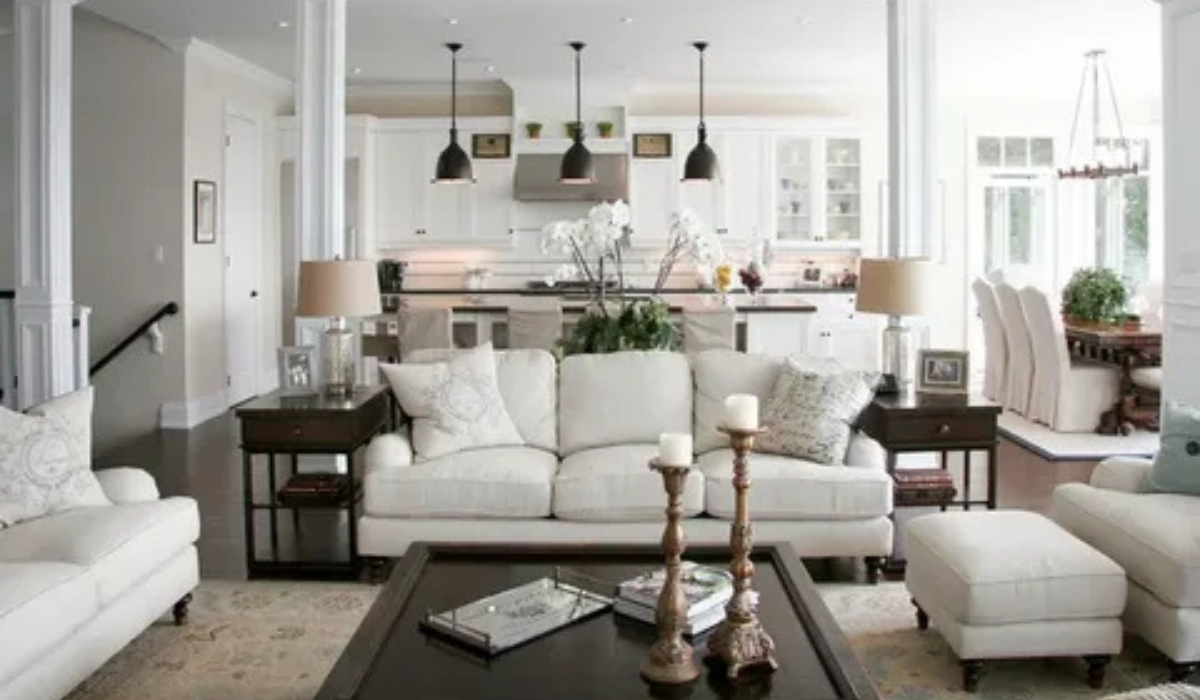
A beautiful home should do more than look good in photographs. It should make your mornings easier, give you a comfortable place to relax, and provide enough space for the things you do every day. Yet many homeowners make the same mistake: they buy attractive furniture, follow popular design trends, and choose fashionable colors before thinking about how their rooms actually work.
Interior design designmode24 offers a useful way to approach this challenge by combining visual appeal with practical planning. The focus is on creating spaces that feel comfortable, organized, personal, and suitable for everyday living.
Rather than treating interior design as a collection of decorating tricks, we can approach it as a series of connected decisions. Furniture, lighting, colors, storage, materials, and room layouts should support one another.
Whether you are refreshing a small apartment, planning a bedroom makeover, or updating an entire house, the following principles can help you make better decisions without wasting money on changes that do not solve your actual problems.
What Is Interior Design DesignMode24?
Interior design designmode24 can be understood as a practical approach to planning and decorating interiors while balancing appearance, comfort, and functionality. The DesignMode24 Interior Design website discusses ideas such as color coordination, layered lighting, furniture arrangements, and affordable room improvements.
The central idea is straightforward: a well-designed room should look attractive and work well for the people using it.
Consider a living room with an expensive sofa, decorative cushions, and stylish wall art. If the sofa blocks a walkway or there is nowhere to store everyday items, the room may look impressive but remain inconvenient.
A better approach begins with understanding the room’s purpose. Once you know what the space needs to accomplish, you can select furniture, materials, and decorations that support those needs.
For a broader understanding of furniture placement, color choices, lighting, and decorating styles, explore our guide to home interior design ideas.
Is DesignMode24 a Specific Interior Design Style?
DesignMode24 is better treated as a practical design concept than as an established historical style such as Art Deco or Bauhaus. Its principles can be applied to modern, minimalist, Scandinavian-inspired, traditional, industrial, and contemporary interiors.
For example, a traditional living room can benefit from careful furniture placement just as much as a minimalist apartment. Both need comfortable seating, suitable lighting, and clear walking routes.
Pro tip: Choose the atmosphere you want first, then use practical design principles to achieve it. You do not need to follow one style throughout your home if a thoughtful combination better reflects your preferences.
1. Start With Function Before Decoration
One of the most common interior design mistakes is choosing furniture before deciding how a room should be used.
Before purchasing anything, ask yourself a few simple questions:
- What activities will take place in this room?
- How many people will use it regularly?
- What needs to be stored?
- Does the room serve more than one purpose?
- Which existing features should remain?
A living room used for family gatherings needs different furniture arrangements from a room used mainly for reading or watching television. Similarly, a home office requires comfortable seating, suitable lighting, and practical storage rather than decoration alone.
Build Around Your Daily Routine
Imagine a homeowner who works remotely and uses a spare bedroom as an office. Buying a large decorative desk might initially seem like a good idea. However, if it leaves no room for a comfortable chair or storage, the room becomes less useful.
A compact desk, appropriate lighting, and wall-mounted shelves may create a better working environment while preserving space for guests.
This is the difference between decorating a room and designing it around real life.
Pro tip: Write down the three most important activities for each room before making purchases. Use that list to decide which furniture deserves priority.
2. Plan Your Layout Before Buying Furniture
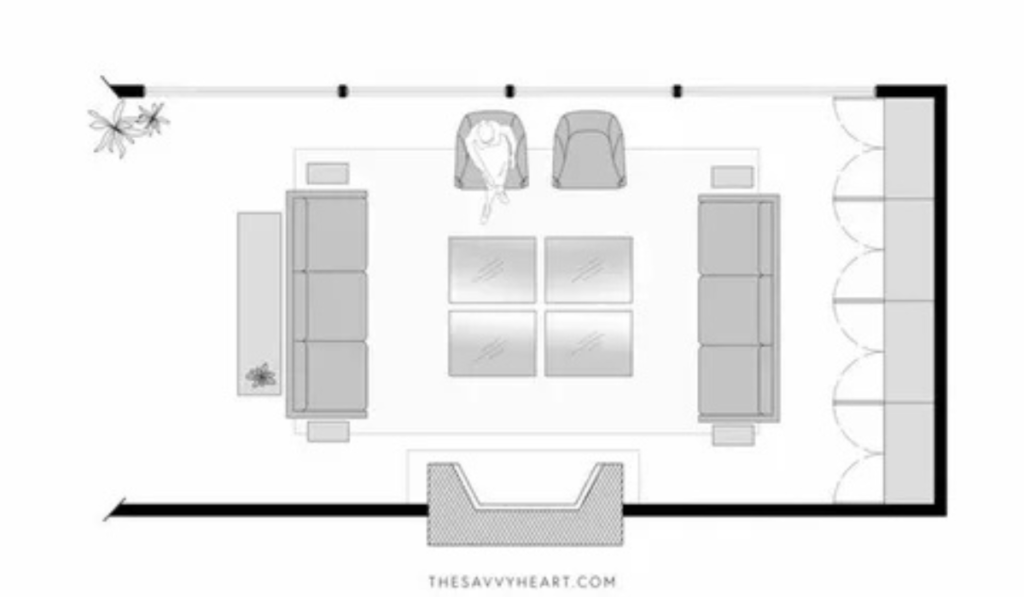
Good space planning can prevent expensive mistakes. A sofa that looks appropriately sized online may overwhelm a small living room, while a dining table might fit against a wall but leave insufficient room to pull out the chairs.
Start by measuring the room’s length, width, and ceiling height. Record the positions of doors, windows, radiators, electrical outlets, built-in cabinets, and other fixed features.
Next, measure the furniture you already own and anything you intend to purchase.
Create Clear Walking Routes
A room should allow people to move naturally between its main areas. Consider the path from the entrance to the sofa, the route between the kitchen and dining table, and the space needed to open cabinets or wardrobes.
For major walking routes, approximately 30–36 inches of clearance can be a useful planning target where the room allows it. The exact amount depends on the location, accessibility needs, furniture arrangement, and applicable requirements.
Do not force a particular measurement into every space simply to follow a design rule.
Use a Simple Floor Plan
You can sketch the room on paper or use a digital floor-planning tool. Mark the furniture footprints and check whether doors, drawers, and chairs can operate comfortably.
For a quick real-world test, use painter’s tape to mark the proposed furniture dimensions on the floor before ordering anything.
Pro tip: Test at least two furniture arrangements before buying new pieces. Sometimes moving the sofa or changing the direction of the dining table solves the problem without spending anything.
3. Choose a Balanced Color Scheme
Color influences the atmosphere of an interior and affects how different materials and furniture appear together. A carefully planned palette can make a room feel coordinated without requiring every item to match.
One commonly used guideline is the 60-30-10 color rule:
| Proportion | Purpose | Example |
|---|---|---|
| 60% | Dominant color | Walls and large surfaces |
| 30% | Secondary color | Furniture, curtains, and rugs |
| 10% | Accent color | Cushions, artwork, and accessories |
For example, a living room might use warm ivory on its walls, natural wood and beige across larger furnishings, and deep green in cushions or artwork.
The ratio is a flexible guideline, not a scientific requirement. You can adjust it to suit your room, preferred style, and existing furnishings.
Test Colors Under Real Lighting
Paint colors rarely look exactly the same in every environment. Natural daylight, artificial bulbs, nearby surfaces, and the direction of the windows can all influence their appearance.
Before painting an entire room, test a sample on the wall. Observe it during the day and evening, and compare it with your flooring, curtains, and furniture.
Pro tip: If you already own a rug, artwork, or sofa you love, use it as the starting point for your color scheme. It is often easier to build around existing items than replace everything to match a new paint color.
4. Use Lighting in Layers
Lighting is not simply about making a room bright. It should help you perform everyday tasks, create a comfortable atmosphere, and highlight important features.
A practical lighting plan combines three types.
Ambient Lighting
Ambient lighting provides general illumination. Ceiling fixtures, recessed lights, and other broad light sources can help illuminate the main area.
Task Lighting
Task lighting supports specific activities. Examples include desk lamps, kitchen work lights, reading lamps, and suitable lighting around bathroom mirrors.
Accent Lighting
Accent lighting draws attention to selected features, such as artwork, shelving, architectural details, or decorative objects.
Combining these three layers gives you more flexibility than relying on one central ceiling fixture.
For example, a living room can use a ceiling light for general illumination, a floor lamp beside a reading chair, and a small accent light near a bookcase.
Natural light also deserves attention. Curtains, blinds, and thoughtful furniture placement can help you manage daylight and privacy. Mirrors may reflect available light when positioned carefully.
Pro tip: Plan lighting around activities, not just the room’s appearance. A beautiful pendant above a dining table may create atmosphere, but it cannot replace appropriate task lighting in a kitchen.
5. Select Furniture That Fits the Space
Furniture affects comfort, movement, storage, and the overall appearance of a room. The right piece is not necessarily the largest or most expensive option.
Look at three factors before purchasing:
- Scale: Does the furniture fit the room’s dimensions?
- Function: Does it serve a genuine purpose?
- Comfort: Will people enjoy using it regularly?
A large sectional sofa may suit a spacious family room but dominate a compact apartment. In a smaller space, a modest sofa with a separate armchair may provide more flexibility.
Consider Multifunctional Furniture
Multifunctional furniture can be especially useful when space is limited. Examples include storage ottomans, sofa beds, extendable dining tables, and beds with built-in storage.
However, not every item needs several functions. A complicated piece that is uncomfortable or difficult to use may create more problems than it solves.
Pro tip: Prioritize comfort and dimensions before appearance. Measure doorways, staircases, and delivery routes as well as the final position of the furniture.
6. Combine Materials and Textures for More Depth
A room can have an attractive color scheme and still feel flat if every surface has the same finish. Mixing materials and textures adds visual interest without requiring bold colors or excessive decoration.
Consider combining:
- Wood with linen or cotton.
- Smooth stone with textured fabrics.
- Matte surfaces with selected metal details.
- Soft rugs with harder flooring.
- Ceramic accessories with natural materials.
Warm minimalism is one example of this approach. Instead of relying entirely on stark white surfaces and sparse furniture, it uses warm neutrals, natural materials, restrained decoration, and comfortable textures.
In its coverage of a Paris apartment, Architectural Digest illustrates how fluted wood and travertine can contribute texture and character within a carefully composed interior.
These materials are not essential to a successful design. They are examples of how thoughtful material choices can create depth.
If you want more ways to combine natural materials, furniture, and finishes, these modern home decor ideas offer practical inspiration for creating a coordinated interior.
Think About Maintenance Before Choosing Finishes
Different rooms have different practical requirements. Kitchen surfaces should tolerate regular cleaning, bathroom finishes must suit moisture exposure, and busy entryways need flooring that can handle frequent use.
Natural stone, including travertine, may require appropriate sealing and maintenance depending on the finish and application. Textured surfaces can also collect dust more readily than smooth ones.
Pro tip: Evaluate a material’s appearance, durability, cleaning requirements, and replacement cost together. A beautiful finish is only a good choice if it suits your household and the way you use the room.
7. Make Storage Part of the Design
A room can look organized immediately after decorating and become cluttered within days if everyday belongings have nowhere to go.
That is why storage should be planned alongside furniture rather than added as an afterthought.
Useful options include:
- Built-in wardrobes and cabinets.
- Shelves for books and frequently used objects.
- Storage beds for suitable bedrooms.
- Consoles near entrances for everyday essentials.
- Closed cabinets for items you do not want on display.
- Baskets for belongings that need to remain accessible.
Open shelving can display books, plants, and personal collections, but it works best when the contents are selected intentionally.
The goal is not to hide everything. It is to make everyday organization easy to maintain.
If you prefer a simpler look, our guide to minimalist home decor essentials explains how to balance useful furniture, natural textures, lighting, and carefully chosen accessories.
8. Adapt Interior Design DesignMode24 to Different Rooms
Each room has different requirements, so the same design decisions will not work everywhere.
Living Room
Begin with the main seating arrangement. Keep walking routes clear, position tables within comfortable reach, and use rugs and lighting to define the seating area.
In a large room, furniture does not always need to sit against the walls. Floating a sofa can create a more intimate conversation area when enough space remains for movement.
Bedroom
Make the bed the main visual anchor. Plan bedside surfaces, clothing storage, and lighting around it. Soft textiles and adjustable lighting can make the room feel comfortable without filling it with unnecessary accessories.
Kitchen
Prioritize work surfaces, cabinet access, appliance placement, and suitable task lighting. Storage should make frequently used cooking equipment easy to reach.
If the kitchen opens into a dining or living area, repeat selected colors or materials to create visual continuity.
Bathroom
Consider ventilation, moisture suitability, shower access, storage, and lighting before choosing decorative finishes. Attractive materials should also perform well in a damp environment.
Home Office
Choose a desk and chair that suit your working needs. Position the screen comfortably, manage cables, provide adequate lighting, and keep frequently used equipment within reach.
Pro tip: Solve each room’s biggest functional problem first. Better storage may matter more than new wall art in a bedroom, while improved lighting may make a bigger difference than new furniture in a home office.
9. Make Small Spaces Feel More Open
Small rooms benefit from careful planning because every large item occupies valuable floor area.
Start by identifying which furniture is essential. Choose appropriately scaled pieces, maintain clear walking routes, and use vertical storage where practical.
Wall-mounted shelves and cabinets can free up floor space. Mirrors may create a stronger sense of depth, while good lighting helps reduce dark corners.
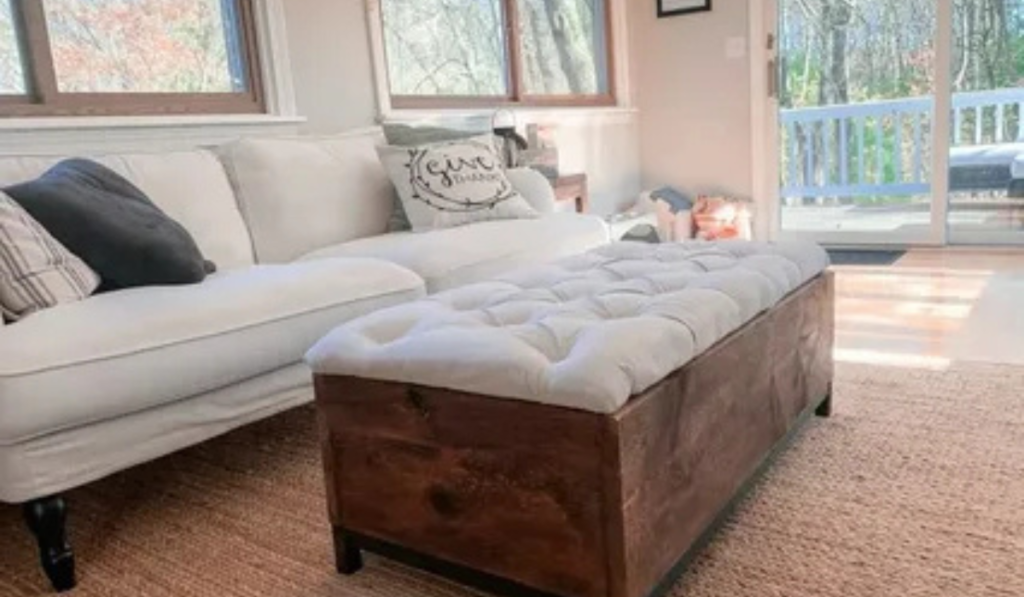
Multifunctional furniture is useful when it solves a specific problem. A storage ottoman can provide both seating and concealed storage, while an extendable dining table can accommodate guests without permanently occupying extra space.
However, avoid filling every corner simply because space is available.
Pro tip: Before purchasing storage furniture, remove items you no longer need and reorganize what remains. You may discover that the room requires less furniture than you originally thought.
10. Balance Trends With Long-Term Value
Interior trends can provide inspiration, but following every new look can become expensive. A more flexible strategy is to keep major design decisions practical and use smaller elements to introduce current styles.
Consider investing in a functional layout, comfortable furniture, durable flooring, useful storage, and appropriate lighting. These features can remain valuable even as your preferences change.
You can experiment more freely with cushions, artwork, lampshades, decorative accessories, and selected paint colors because these are generally easier to update than cabinetry or flooring.
Sustainability also fits naturally into this approach. Before replacing existing furniture, consider whether it can be repaired, refinished, reupholstered, or moved to another room.
Pro tip: When choosing a new trend, ask whether you would still appreciate it if it stopped appearing in design magazines next year. If the answer is uncertain, introduce it through a replaceable accessory rather than a costly permanent finish.
11. Avoid Common Interior Design Mistakes
Even attractive design ideas can fail when basic planning is overlooked.
| Common mistake | Why it causes problems | Better approach |
|---|---|---|
| Buying furniture before measuring | Items may not fit comfortably | Measure the room and delivery routes |
| Using one light source | Different activities may be poorly illuminated | Combine ambient, task, and accent lighting |
| Ignoring storage | Everyday clutter accumulates | Plan storage from the beginning |
| Choosing paint from a screen | Colors can look different at home | Test real samples in different lighting |
| Following every trend | Updates can become expensive | Keep permanent choices adaptable |
| Overdecorating | Important features lose attention | Edit accessories and preserve open space |
| Selecting materials without considering maintenance | Finishes may be unsuitable for daily use | Evaluate durability and cleaning needs |
A Simple Example: Improving a Crowded Living Room
Imagine a homeowner whose living room feels cramped despite having attractive furniture. The first instinct might be to buy a lighter-colored sofa or replace the coffee table.
A more useful process would be to measure the room, identify blocked walking routes, and test alternative furniture arrangements.
Moving the sofa away from a doorway, replacing an oversized table, and adding a floor lamp might solve the main problems without a major purchase.
This example illustrates an important principle: identify the cause of a design problem before paying to fix it.
Frequently Asked Questions
What is interior design designmode24?
Interior design designmode24 is best understood as a practical approach to creating interiors that balance appearance, comfort, organization, and everyday functionality. Its principles can be applied to different rooms and decorating styles.
Is DesignMode24 an established interior design style?
It is more accurately described as a practical design concept than as a recognized historical style such as Art Deco or Bauhaus. The approach can be used with modern, minimalist, traditional, Scandinavian-inspired, and other interiors.
What is the 60-30-10 rule in interior design?
The 60-30-10 rule is a color-planning guideline that allocates approximately 60% of a palette to a dominant color, 30% to a secondary color, and 10% to accents. The proportions are flexible rather than mandatory.
How can I improve my home’s interior design on a budget?
Start by rearranging furniture, removing unnecessary clutter, improving storage, testing new paint colors, and adjusting lighting. Focus on the room’s biggest functional problems before purchasing decorative items.
How can I make a small room look bigger?
Use appropriately scaled furniture, maintain clear walking routes, consider vertical storage, and make effective use of natural and artificial light. Mirrors can also help create a greater sense of depth when positioned thoughtfully.
Does good interior design require expensive furniture?
No. A practical layout, suitable lighting, comfortable furniture, thoughtful colors, and organized storage can improve a room without requiring expensive products. Reusing or updating suitable existing furniture can also reduce costs.
Final Thoughts
The best interior design decisions begin with understanding how you want to live in your home. Attractive furniture and fashionable finishes can contribute to a beautiful room, but they work best when supported by thoughtful planning.
With interior design designmode24, focus on the fundamentals: define each room’s purpose, measure before buying, create a balanced color scheme, layer your lighting, select suitable materials, and make storage part of the layout.
You do not need to follow every trend or replace everything you own. Start with the changes that solve real problems, then add colors, textures, artwork, and personal details that make the space feel like yours.
Ultimately, a successful interior is not simply one that looks impressive in photographs. It is one that feels comfortable on an ordinary morning, functions well during a busy evening, and continues to suit your life as your needs change.