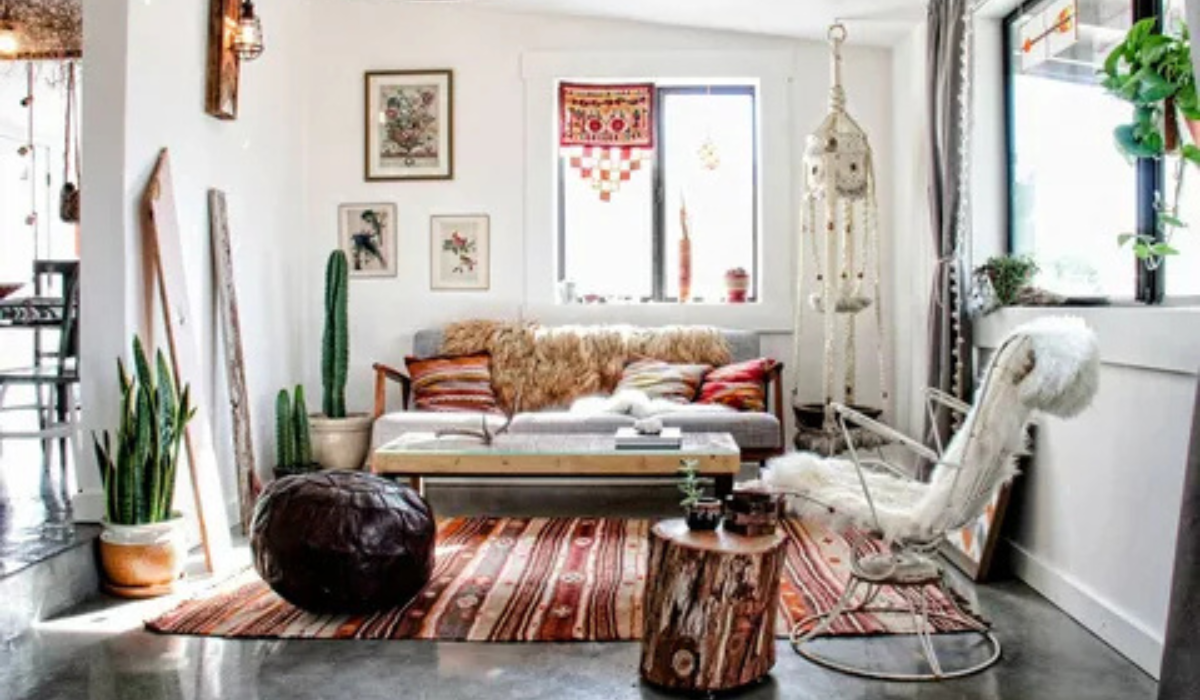
Bohemian style interior design is perfect for anyone who wants a home that feels personal rather than copied from a furniture showroom. But there is one problem: when you combine too many colors, patterns, plants, and decorative accessories without a plan, a cozy room can quickly start to feel cluttered.
The secret is not to buy more decorations. It is to choose pieces that work together while leaving room for your personality to shine.
Whether you love earthy colors, vintage furniture, handmade textiles, or a living room full of greenery, bohemian design gives you plenty of freedom to experiment. You can create a colorful, expressive space or take a quieter approach with neutral walls, natural materials, and a few carefully chosen accessories.
In this guide, we will explore what makes bohemian interiors distinctive, which colors and materials work best, and how to bring the style into your home without making it feel overwhelming. You will also learn practical ways to decorate on a budget, work with small rooms, and create a modern boho look that feels comfortable for everyday living.
What Is Bohemian Style Interior Design?
Bohemian style interior design, often called boho interior design, is a relaxed and eclectic approach to decorating. It combines natural materials, layered textiles, vintage furniture, expressive colors, handmade objects, and personal collections to create a home with character.
Unlike styles that depend on matching furniture or strict decorating rules, boho design welcomes variety. A modern sofa can sit beside an antique wooden table. A patterned rug can complement plain linen curtains. Handmade ceramics can share a shelf with books, plants, and objects collected over the years.
The goal is to make a room feel collected rather than purchased all at once.
Bohemian interiors are often associated with artistic expression, travel, and a relaxed way of living. The style draws inspiration from different historical periods and decorative traditions, although these influences should be appreciated for their individual cultural backgrounds rather than treated as interchangeable.
The Difference Between Boho and Modern Interior Design
Modern interiors often emphasize clean lines, simple forms, and carefully edited decoration. Boho interiors allow more visible layering, personal objects, mixed materials, and decorative variety.
However, the two styles can work beautifully together. You might choose a streamlined sofa, a simple coffee table, and neutral walls, then add a vintage rug, textured cushions, and a few handmade accessories.
If you prefer a cleaner, more contemporary look, these modern home decor ideas can help you balance simple furniture with the natural textures and personal touches that make bohemian interiors feel inviting.
Pro tip: Start with the amount of visual variety you enjoy. If you prefer calm spaces, use modern furniture as your foundation and introduce bohemian character through textiles, plants, and artwork.
A Brief History of Bohemian Interior Design
The word bohemian became associated with artists, writers, and other creative people in 19th-century France. These communities challenged conventional expectations and often embraced individual expression, unconventional lifestyles, and artistic freedom.
Over time, the bohemian aesthetic became associated with eclectic clothing, vintage possessions, handmade objects, and interiors that reflected personal interests rather than formal decorating traditions.
The countercultural movements of the 1960s and 1970s helped popularize related looks through natural materials, expressive textiles, and relaxed furnishings. Contemporary boho interiors continue to draw on these influences while incorporating modern furniture and practical home design.
It is important to remember that boho is not a single historical tradition. It is an evolving design approach influenced by multiple eras and decorative practices.
Pro tip: You do not need to recreate a room from the 1970s to achieve a bohemian feel. Choose the elements you genuinely enjoy, whether that means vintage wood, woven furniture, handmade ceramics, or colorful textiles, and combine them in a way that suits your home.
7 Essential Characteristics of Boho Interior Design
Bohemian rooms can look very different from one another, but several recurring characteristics help explain the style.
1. Warm, Earthy Colors With Personal Accents
Color is one of the easiest ways to introduce bohemian character into a room. Earthy shades such as terracotta, rust, sand, cream, olive, and warm brown create a natural foundation.
You can then introduce brighter accents through artwork, cushions, rugs, or decorative objects. Jewel tones such as emerald green, deep blue, and burgundy can add richness without requiring you to repaint the entire room.
For a quieter look, try Scandinavian-inspired boho. Use cream walls, pale wood, soft textiles, and a small number of decorative accessories.
For a bolder space, combine saturated colors with patterned fabrics and expressive artwork.
What to avoid: Choosing every color you like without considering how the shades interact. A room usually feels more connected when two or three colors appear in several places.
Pro tip: Pick one main neutral, one earthy color, and one accent color. Repeat them across the rug, cushions, artwork, and smaller accessories to create a sense of continuity.
2. Layered Textiles and Mixed Patterns
Textiles give bohemian interiors much of their warmth and visual depth. Rugs, blankets, curtains, cushions, and upholstered furniture can introduce contrasting patterns and tactile materials.
You might combine a geometric rug with embroidered cushions and a plain cotton throw. Alternatively, floral curtains can work alongside a striped cushion and a textured wool blanket.
The important point is that mixing patterns does not mean choosing them randomly.
Try combining different pattern scales. A large geometric rug, small embroidered details, and a mostly solid-colored sofa are often easier to balance than three equally busy patterns competing for attention.
Natural fabrics such as cotton, linen, and wool can also add variety without relying entirely on color.
Pro tip: If you already own a patterned rug, use it as your starting point. Choose two colors from that rug and repeat them in your cushions or curtains. This creates a coordinated appearance without making everything match.
3. Natural Materials and Tactile Finishes
Boho interiors frequently feature materials that show their texture and natural character.
Popular choices include:
- Rattan and cane: Suitable for accent chairs, headboards, baskets, and decorative furniture.
- Jute and sisal: Useful for rugs and woven accessories.
- Wood: Adds warmth through coffee tables, shelving, stools, and bed frames.
- Cotton and linen: Work well for curtains, bedding, cushions, and throws.
- Wool: Adds softness and texture through rugs and blankets.
- Terracotta and ceramics: Bring earthy finishes to planters, vases, and decorative objects.
You do not need to use every material in the same room. A few well-chosen textures can create plenty of interest.
For example, a linen sofa, wooden coffee table, and jute rug may provide enough variety for a small living room. You can then introduce color through artwork or cushions.
Pro tip: Think about how a room feels as well as how it looks. Combining smooth wood, soft fabric, and a woven surface usually creates more visual interest than using several materials with nearly identical finishes.
4. Vintage Furniture and Comfortable Seating
Bohemian furniture prioritizes comfort, character, and individuality over perfectly matching sets.
Look for pieces such as:
- Comfortable sofas with textured cushions.
- Vintage wooden coffee tables and side tables.
- Rattan or cane accent chairs.
- Upholstered stools and poufs.
- Floor cushions for informal seating.
- Antique cabinets, shelves, or distinctive second-hand finds.
Low-profile furniture can help create a relaxed atmosphere, but it is not a requirement. Choose furniture that fits the room and supports the way you actually live.
A family living room may need a durable sofa with washable covers, while a small reading corner might work better with one comfortable chair and a compact side table.
Pro tip: Before buying new furniture, look at what you already own. Changing the cushion covers, adding a textured throw, or pairing a modern sofa with a vintage table can create a bohemian feel at a much lower cost.
5. Houseplants and Natural Greenery
Plants complement boho interiors by introducing living color, organic shapes, and a connection to nature.
Depending on your room’s light and available space, you could consider pothos, snake plants, spider plants, or other suitable indoor varieties. Larger plants can anchor an empty corner, while smaller plants can sit on shelves or side tables.
Hanging planters and trailing foliage can add vertical interest. Woven baskets may also complement the room’s natural materials, provided they are suitable for holding the plant’s pot.
However, plants should suit the conditions in your home. A dark corner may not support a sun-loving plant, and a small room does not necessarily need a large collection of greenery.
Pro tip: Start with one larger plant and one or two smaller ones. Check their light and watering requirements before adding more. A few healthy plants are more useful than a crowded collection that is difficult to maintain.
6. Handmade Accessories and Meaningful Decoration
Personal objects are what make bohemian interiors feel individual.
Consider displaying handmade pottery, framed artwork, books, family heirlooms, woven baskets, or souvenirs that have genuine meaning to you. Macramé wall hangings and embroidered textiles can add a handcrafted element when they suit your taste.
Objects inspired by different cultures can also contribute to an eclectic interior. When choosing these pieces, learn about their origins and favor authentic craftsmanship where possible.
You do not need to fill every shelf or cover every wall. A small collection of meaningful items can tell a stronger story than a room filled with unrelated decorations.
Pro tip: Arrange accessories in small groups instead of spreading them across every available surface. Vary the height of the objects, leave some empty space, and give your favorite piece room to stand out.
7. Warm, Layered Lighting
Lighting influences how the colors, fabrics, and furniture in your room appear. A single bright overhead light can make a layered interior feel less inviting, especially in the evening.
Instead, combine different light sources where practical:
- A ceiling pendant for general illumination.
- A floor lamp beside the sofa.
- A table lamp on a side table or shelf.
- Wall lights for additional illumination.
- A decorative woven or patterned lampshade for texture.
Moroccan-inspired lanterns and woven pendant shades can complement boho interiors, although simple contemporary lighting can work just as well.
Think about function, too. Reading areas need sufficient light, and kitchens or workspaces may require brighter task lighting than a relaxing seating corner.
Pro tip: Plan lighting around activities, not just appearance. Use a combination of general, task, and accent lighting so the room remains comfortable and practical throughout the day.
Popular Boho Interior Design Styles to Consider
One reason boho design works in so many homes is that you can adapt it to different tastes. You do not have to choose between a completely neutral room and an explosion of color.
Modern Boho Interior Design
Modern boho combines the relaxed, expressive character of bohemian decoration with cleaner furniture shapes and a more edited layout.
Think neutral walls, a simple sofa, natural wood, a textured rug, and a few distinctive accessories. The result can feel contemporary without becoming sterile.
This style is particularly useful if you enjoy boho materials but do not want lots of decorative objects competing for attention.
Best approach: Keep the larger furniture pieces simple and let your rug, artwork, lighting, or cushions provide the bohemian character.
Scandinavian Boho (Scandi Boho)
Scandi boho brings together Scandinavian-inspired simplicity and bohemian warmth. It often uses pale wood, cream or white walls, natural textiles, restrained patterns, and indoor plants.
Compared with a more colorful boho interior, this approach tends to feel lighter and more visually open.
It can be a good option for apartments, small living rooms, and people who prefer a calm environment.
Best approach: Begin with a light, neutral foundation, then add texture through a woven rug, linen curtains, and a few handmade accessories.
If you enjoy a simpler, less cluttered look, these minimalist home decor essentials can help you create a calm foundation while still adding warmth through woven rugs, natural materials, and handmade accessories.
Colorful Boho Interior Design
Colorful boho embraces expressive shades, layered patterns, vintage finds, and eye-catching artwork.
You might combine a rust-colored sofa with a blue patterned rug, embroidered cushions, and bold artwork. The result can feel energetic and artistic when the elements are thoughtfully arranged.
The challenge is maintaining enough visual connection between the different pieces.
Best approach: Repeat at least one or two colors throughout the room. This helps even a highly colorful interior feel intentional.
Moroccan-Inspired Boho
This variation draws inspiration from Moroccan decorative traditions through patterned textiles, carved wood, metal lanterns, ceramics, and distinctive rugs.
The style can work well in living rooms and reading corners where layered textures and warm lighting create an inviting atmosphere.
When sourcing culturally specific pieces, choose items thoughtfully and avoid treating different regional traditions as interchangeable decorations.
Best approach: Let one or two distinctive pieces lead the design, then support them with simpler furniture and complementary textiles.
Dark Boho Interior Design
Dark boho is a contemporary interpretation that uses deeper shades, such as forest green, charcoal, deep brown, or burgundy, alongside natural materials and expressive accessories.
Dark walls can create an intimate atmosphere, while wood, warm lighting, textured fabrics, and greenery provide contrast.
However, dark colors do not automatically make a room look sophisticated. The effect depends on natural light, room proportions, surface finishes, and the balance between light and dark elements.
Best approach: If you are unsure about painting an entire room, introduce darker shades through cushions, artwork, curtains, or one accent wall before making a bigger commitment.
How to Decorate Your Home in Boho Style: A Practical Step-by-Step Guide
Knowing the characteristics of boho design is one thing. Applying them to your own home is another. A simple sequence can help you avoid unnecessary purchases and create a room that feels connected.
Step 1: Decide How You Want the Room to Feel
Before shopping, consider the atmosphere you want to create.
Do you prefer a calm, natural space? A colorful room filled with artwork? Or a comfortable living room with vintage furniture and plenty of plants?
Save a few reference images that reflect your preferences. Look for recurring features rather than copying every object in a photograph.
For example, if most of your favorite rooms have warm wood, cream walls, and terracotta accents, that is a useful starting point for your own palette.
Step 2: Choose Your Main Colors
Select a foundation color for the walls and larger surfaces, then choose one or two complementary shades for furniture and accessories.
Neutral walls are versatile, but they are not mandatory. If you enjoy richer colors, use them where they suit the room and its lighting.
Remember to consider existing floors, furniture, and curtains before choosing paint.
Step 3: Anchor the Room With Furniture and a Rug
Start with the furniture that matters most to the room’s function. In a living room, this is usually the sofa and seating arrangement.
A rug can help define the seating area, particularly in an open-plan space. Make sure its size works with the furniture rather than leaving it looking like a small island in the middle of the room.
Add side tables, shelving, and accent chairs only where they are useful.
Step 4: Introduce Textures and Patterns
Once the main pieces are in place, add textiles gradually.
You could begin with a textured throw and a couple of cushions, then introduce a patterned rug or curtains if the room needs more visual interest.
Step back occasionally and look at the overall arrangement. If every item is competing for attention, remove a few pieces rather than buying more.
Step 5: Add Plants, Lighting, and Personal Objects
Finish with a small selection of accessories that support the atmosphere you want.
Place lamps where you need comfortable illumination, add plants suited to your room, and display objects that reflect your interests or memories.
Keep frequently used surfaces practical. A coffee table still needs room for a drink, and shelves should remain accessible.
Pro tip: Decorate in stages rather than buying everything in one weekend. Living with the room for a few days can reveal what is genuinely missing and what you do not need.
Boho Interior Design Ideas for Different Rooms
The same design principles can work throughout your home, but each room has different needs. A living room may benefit from layered seating, while a bedroom needs a calmer arrangement that supports rest.
Boho Living Room Ideas
A boho living room is a natural place to experiment with rugs, cushions, vintage furniture, artwork, and plants.
Start with comfortable seating and a coffee table. Add a patterned rug, a textured throw, and artwork that complements the room’s colors. If you have space, a rattan chair or a floor cushion can provide additional seating.
Avoid filling every corner with decorative objects. A clear walkway and a usable coffee table matter more than having every popular boho accessory.
Boho Bedroom Ideas
In a bohemian bedroom, focus on comfort and softer textures.
Linen or cotton bedding, a woven headboard, warm bedside lighting, and a textured rug can establish the look without overwhelming the space. Add a small amount of color through cushions, a blanket, or artwork.
If you like a more decorative style, introduce a patterned bedspread or an embroidered wall hanging.
Practical tip: Keep bedside surfaces and the path around the bed clear. A bedroom can be expressive without sacrificing comfort or everyday functionality.
Small Apartment and Small Living Room Ideas
Boho design can work in compact spaces, but the key is choosing accessories carefully.
Use furniture that fits the room, keep walking routes clear, and consider wall-mounted shelves when floor space is limited. A mirror can help reflect available light, while a few carefully selected textiles add character without taking up extra floor space.
You can still mix patterns in a small room. Try keeping the larger surfaces relatively simple and introducing stronger designs through cushions or a smaller rug.
You can also bring this relaxed style into your workspace by combining practical furniture with natural textures and personal accessories. Explore these home office ideas for more ways to make your workspace comfortable and inviting.
Practical tip: Before purchasing an accent chair, plant stand, or extra storage basket, measure the available space. Boho style should support how you use the room, not make it harder to move around.
A Realistic Example: Creating a Boho Living Room on a Budget
Imagine a renter named Sarah who wants a bohemian living room but has limited money to spend. She already owns a neutral sofa, a basic coffee table, and plain curtains.
Instead of replacing everything, she takes a more practical approach.
First, she chooses terracotta, cream, and olive green as her main colors. She buys two cushion covers and a textured throw that work with the sofa she already owns. Next, she finds a second-hand wooden side table and uses a framed print she previously had in storage.
She adds a suitable houseplant near the window and places a warm table lamp beside the sofa. Finally, she rearranges her existing books and ceramics on a shelf, leaving some open space between the objects.
The result is a more personal room without the expense of buying a completely new furniture collection.
This example illustrates a useful principle: bohemian character often comes from thoughtful combinations, not from the number of things you purchase.
Your room does not need the same colors or accessories. The lesson is to work with what you own, identify what is missing, and spend money only where it makes a meaningful difference.
Common Boho Decorating Mistakes to Avoid
Boho design encourages experimentation, but a few common mistakes can make a room less comfortable or cohesive.
Buying Too Many Decorations at Once
A room can become cluttered when every shelf, table, and wall receives something new.
Better approach: Add accessories gradually and remove anything that does not contribute to the room’s function or appearance.
Mixing Patterns Without a Connecting Element
Different prints can work together, but several unrelated patterns may make the room feel visually unsettled.
Better approach: Repeat colors, vary pattern sizes, and balance busy textiles with solid-colored surfaces.
Choosing Furniture That Does Not Fit
A large sofa or oversized chair can overwhelm a small living room, regardless of how attractive it looks.
Better approach: Measure your room and check furniture dimensions before purchasing.
Ignoring Practical Lighting
Decorative lanterns and low-light table lamps can create atmosphere, but they may not provide enough light for reading or working.
Better approach: Combine ambient lighting with task lighting and use suitable bulbs for each activity.
Treating Every Boho Room as the Same
Not every boho interior needs macramé, a hanging chair, colorful rugs, or dozens of plants.
Better approach: Choose elements that suit your tastes and lifestyle. A simple room with a vintage table and textured fabrics can express the style just as effectively as a colorful, maximalist interior.
Frequently Asked Questions About Bohemian Style Interior Design
What are the main characteristics of bohemian interior design?
The main characteristics include layered textiles, natural materials, vintage or eclectic furniture, personal accessories, plants, and a mix of colors and patterns. The style emphasizes individuality and comfort rather than strict decorating rules.
What colors work best in a boho interior?
Terracotta, cream, beige, rust, olive green, and warm brown are popular choices. You can also use jewel tones, bright accents, or darker shades, depending on your preferred look and the room’s lighting.
Is boho interior design still popular?
Bohemian design remains a recognizable decorating style because it can adapt to different tastes. Modern interpretations often combine natural textures and vintage accents with simpler furniture, neutral colors, and more restrained decoration. Its popularity can vary by region and trend cycle.
How can I create a boho look on a budget?
Start with furniture and accessories you already own. Consider second-hand furniture, affordable cushion covers, handmade decorations, and easy-care plants suited to your home. Rearranging existing objects can also change the room’s appearance without requiring major purchases.
What is the difference between boho and boho chic?
Boho generally embraces eclectic combinations, personal collections, varied patterns, and a relaxed atmosphere. Boho chic usually describes a more polished or edited interpretation, where natural textures and expressive accents are balanced with a more coordinated appearance. The terms can overlap in everyday use.
Can boho interior design work in a small room?
Yes. Use appropriately sized furniture, a considered color palette, a few layered textiles, and carefully selected accessories. Vertical shelving and plants can add interest without occupying too much floor space. Keeping walkways clear helps the room remain functional.
What furniture is best for bohemian interiors?
Comfortable sofas, vintage wooden tables, rattan or cane chairs, poufs, and textured upholstered furniture are all suitable options. The best choices depend on your room size, budget, and everyday needs rather than a fixed list of required pieces.
How do I stop a boho room from looking cluttered?
Choose a consistent color palette, vary the scale of patterns, group decorative objects, and leave some surfaces empty. Introduce accessories gradually instead of filling the room all at once. A good boho interior feels collected and personal, not simply crowded.
Final Thoughts
Bohemian style interior design gives you the freedom to create a home that reflects your personality, interests, and way of living. Its warmth comes from the combination of natural materials, comfortable furniture, layered textiles, plants, and meaningful objects.
You do not need to follow every trend or fill your home with colorful accessories. A neutral room with a vintage coffee table, a woven rug, and a few handmade pieces can feel just as bohemian as a more expressive interior filled with patterns and bold colors.
Start with what you already own, decide how you want your room to feel, and add new elements only when they serve a purpose.
The best boho interior is not the one with the most decorations. It is the one that feels comfortable, personal, and genuinely yours.